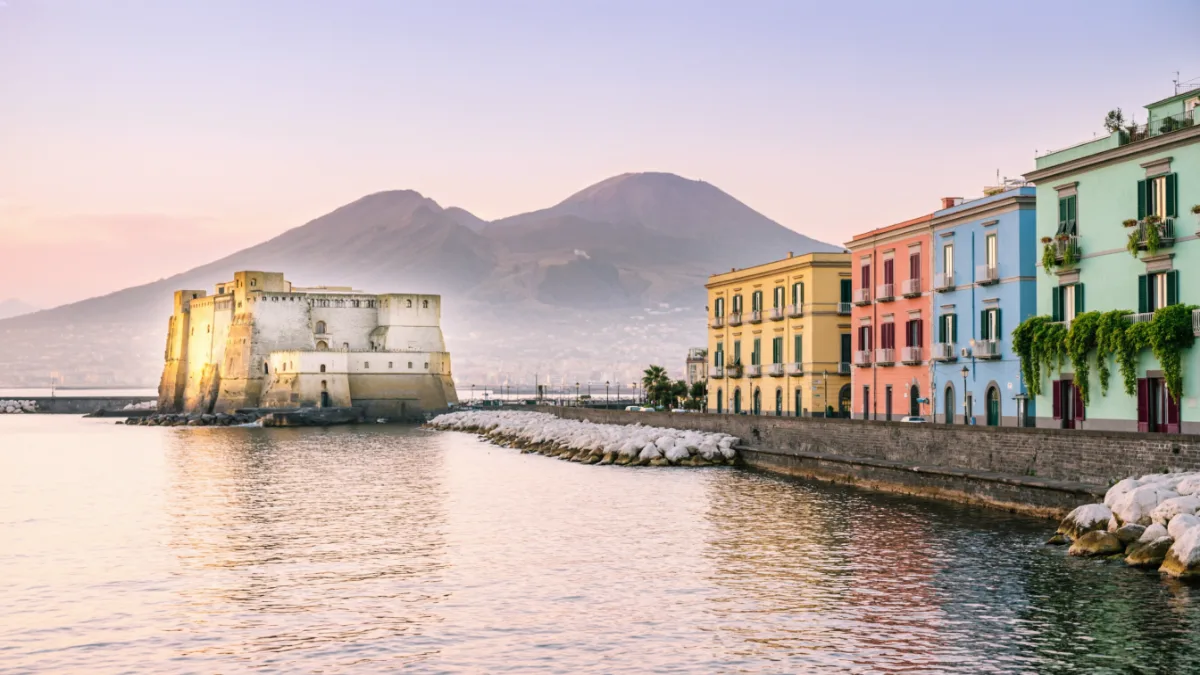
Picking where to stay in Naples, Italy can feel overwhelming before a trip even starts. The city’s chaotic energy, mixed reputation, and maze-like streets leave many travelers unsure which neighborhood actually suits them.
This guide clears up the confusion. It breaks down the safest, most convenient, and most scenic areas of Naples, compares them by traveler type, and flags the pockets worth avoiding after dark.
If it’s a one-night layover before Pompeii, a family trip along the Bay of Naples, or a longer stay exploring Campania, this article maps out exactly where to stay in Naples, Italy, and why using real neighborhood characteristics, transport access, and traveler feedback.
Featured Snippet:
The best areas to stay in Naples, Italy are Chiaia (upscale, safe, seaside), Centro Storico (historic center, walkable to top sights), and Santa Lucia/Via Partenope (waterfront views near Castel dell’Ovo). First-timers should book Chiaia or Centro Storico for the easiest, safest experience.
Quick Facts Table: Naples at a Glance
| Category | Details |
| Region | Campania, Southern Italy |
| Best base neighborhoods | Chiaia, Centro Storico, Santa Lucia, Vomero |
| Nearest airport | Naples International Airport (Capodichino) |
| Main train station | Napoli Centrale |
| Ideal trip length | 2–4 days for the city, 5–7 with day trips |
| Best months to visit | April–June, September–October |
| Currency | Euro (€) |
| Local transport | Metro, funicular, buses, Circumvesuviana train |
Prices, hours, and transit schedules change often; always verify current details on official city or transport websites before traveling.
Best Time to Visit Naples, Italy
The best time to visit Naples is spring (April to June) or early fall (September to October), when temperatures stay mild and crowds are thinner than in summer. These shoulder seasons make walking between neighborhoods and sightseeing far more comfortable.
Summer (July–August) brings intense heat, higher hotel rates, and packed coastal day-trip trains to Sorrento and the Amalfi Coast. Winter is quieter and cheaper but rainier, with some tour and boat schedules reduced.
Seasonal snapshot:
- Peak season (June–August): Hot, crowded, highest prices
- Shoulder season (April–May, Sept–Oct): Best balance of weather and cost
- Off-season (Nov–March): Lowest prices, cooler and wetter, some attractions reduce hours
Where to Stay in Naples, Italy Best Areas Overview
Naples has four standout base areas: Chiaia for upscale comfort, Centro Storico for history and nightlife, Santa Lucia for waterfront views, and Vomero for a quieter, local residential feel with panoramic views.
| Area | Best For | Vibe | Walk to Main Sights |
| Chiaia | First-timers, couples, safety | Elegant, upscale | 10–15 min |
| Centro Storico | History lovers, budget travelers | Lively, historic, gritty in patches | Central |
| Santa Lucia | Views, families, comfort | Scenic, relaxed | 15–20 min |
| Vomero | Quiet stays, longer trips | Residential, panoramic | Funicular ride |
| Mergellina | Sunset views, seafood | Marina, laid-back | 20 min |
What Area Is Best to Stay in Naples?
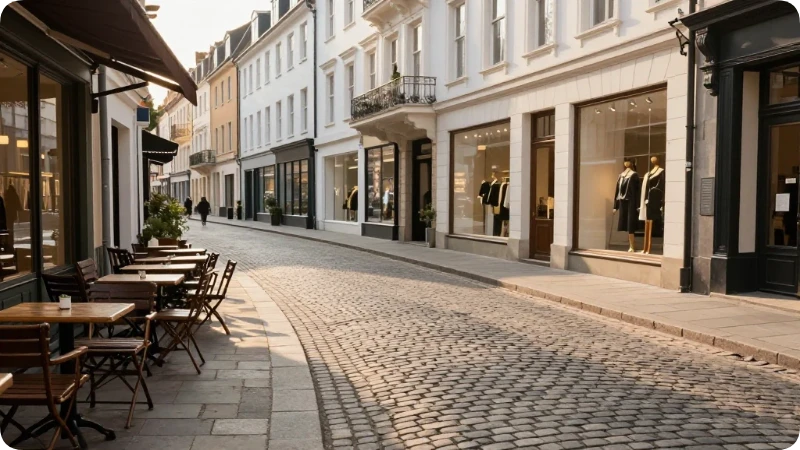
The best area to stay in Naples overall is Chiaia. It combines boutique shopping, tree-lined streets, seafront promenades, and strong safety ratings, making it the top pick for most travelers, including couples and solo visitors.
Chiaia sits close to Piazza del Plebiscito and the Lungomare (seafront walkway), putting major landmarks within easy walking distance. It’s also home to some of the city’s best aperitivo bars and restaurants.
For travelers who want energy and history over polish, Centro Storico is the runner-up, placing visitors steps from Spaccanapoli, Naples Cathedral, and the city’s famous pizzerias.
Where to Stay in Naples, Italy for First-Timers
First-time visitors should stay in Chiaia or Centro Storico, since both offer easy access to major attractions, reliable transit connections, and enough restaurants and shops to explore without needing a car.
Chiaia suits those who want a calmer, safer introduction to the city. Centro Storico suits travelers who want to be immersed in Naples’ historic chaos, narrow alleys, street food, and centuries-old churches right outside the door.
Tip: Booking within a five-minute walk of Via Toledo gives first-timers a central anchor point close to the metro, shopping, and the funicular up to Vomero.
What Is the Nicest Area in Naples, Italy?
The nicest area in Naples, Italy is widely considered Chiaia, thanks to its manicured streets, sea views along Via Partenope, and concentration of high-rated hotels and restaurants. It consistently ranks as the cleanest and most polished district.
Posillipo, a hillside residential area west of the city, is even more scenic and upscale, but it sits farther from the main sights and works better for travelers with a rental car.
Where to Stay in Naples Italy for First Time
Travelers searching specifically for a first-time stay should prioritize hotels near Piazza del Plebiscito or Via Chiaia, since this pocket blends safety, walkability, and proximity to the ferry terminal for day trips to Capri or Sorrento.
Staying here also shortens the walk to Napoli Centrale for trains toward Pompeii, Herculaneum, and the Amalfi Coast, which matters for travelers combining Naples with a wider Campania itinerary.
Where to Stay in Naples, Italy for One Night
For a single overnight stay common for travelers connecting to Pompeii, Capri, or a cruise, the best choice is a hotel near Napoli Centrale station or Municipio, both of which link directly to the metro, airport shuttle, and ferry port.
This minimizes transit time and luggage-hauling, which matters most when the goal is convenience rather than exploring multiple neighborhoods.
Good one-night picks include:
- Hotels around Piazza Garibaldi (Napoli Centrale) for early train departures
- Hotels near Molo Beverello for early ferries to the islands
- Chiaia hotels if arriving by evening flight and wanting a nicer few hours in the city
Safest Area to Stay in Naples, Italy
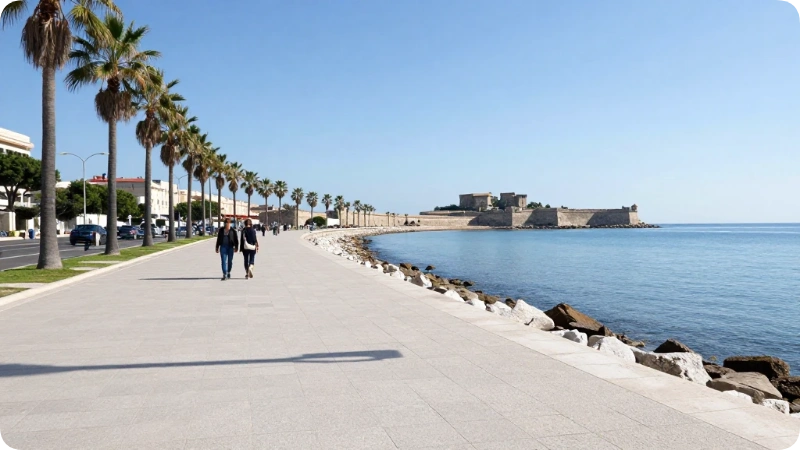
The safest areas to stay in Naples, Italy are Chiaia, Santa Lucia, and Vomero. These neighborhoods have lower petty-crime reports, well-lit streets, and a strong presence of hotels, families, and tourist infrastructure.
Solo travelers and families in particular benefit from these zones, since they stay busy with pedestrian traffic well into the evening, which naturally deters opportunistic theft.
General safety tips for Naples:
- Keep bags zipped and worn across the body, especially near Napoli Centrale
- Avoid flashing phones or jewelry in crowded markets
- Use licensed white taxis or verified ride apps at night
- Stick to well-lit main streets after dark in unfamiliar areas
Where to Stay in Naples Italy With Kids
Families should stay in Santa Lucia or Chiaia, both offering wide waterfront promenades, gelato shops, and easy access to Villa Comunale park, ideal for kids who need open space to burn energy between sightseeing stops.
Santa Lucia’s proximity to Castel dell’Ovo also gives families a low-effort, scenic attraction within walking distance, without needing to navigate crowded historic alleyways with a stroller.
Family tip: Book hotels with elevators and air conditioning, since many Centro Storico buildings are older with narrow stairs that aren’t stroller-friendly.
Hotels in Naples, Italy
Naples offers everything from budget guesthouses to luxury waterfront hotels, with the highest concentration of quality options in Chiaia, Santa Lucia, and around Piazza Municipio. Most travelers find 3- to 4-star hotels offer the best value for location and comfort.
Booking platforms show real-time availability and current pricing, which fluctuates by season. Always confirm final rates directly with the hotel or a trusted booking site before finalizing plans.
Best Hotels in Naples, Italy
The best-rated hotels in Naples tend to cluster in Santa Lucia for sea views, Chiaia for boutique elegance, and Centro Storico for character-filled historic buildings converted into small hotels.
What separates the best-reviewed hotels in Naples:
- Rooftop terraces with Bay of Naples or Vesuvius views
- Walking distance to Piazza del Plebiscito or Via Toledo
- Strong breakfast and concierge service for day-trip planning
- Recent renovations in historic palazzos
Since exact rankings and prices shift constantly, checking current guest reviews on major booking platforms right before travel is the most reliable way to confirm what’s best at the time of the trip.
Hotels in Naples, Italy City Center

City-center hotels cluster around Via Toledo, Piazza Municipio, and Spaccanapoli, putting guests within walking distance of Naples Cathedral, the Royal Palace, and the city’s most famous pizzerias.
This is the most convenient base for travelers without a car who want to explore on foot, since the metro’s Toledo and Municipio stations sit right in this zone, connecting easily to the airport and Napoli Centrale.
Where to Stay in Naples Italy Reddit What Travelers Say
Across travel forums and Reddit threads, the most repeated advice for where to stay in Naples, Italy centers on Chiaia for safety and comfort, with frequent warnings to avoid booking in the immediate streets around Napoli Centrale station overnight due to higher petty crime.
Many threads also recommend Centro Storico for travelers prioritizing atmosphere and food over polish, while cautioning first-timers to research the exact street rather than just the neighborhood name, since block-by-block conditions can vary sharply in Naples.
Common forum consensus:
- Chiaia = safest, most recommended for first-timers
- Centro Storico = best for food and history, slightly grittier
- Avoid immediate blocks around the train station at night
- Vomero = underrated for a quieter, local experience
Where to Avoid Staying in Naples
Travelers should generally avoid booking accommodations in the immediate blocks surrounding Napoli Centrale station and parts of Forcella, both known for higher rates of petty theft, especially after dark.
This doesn’t mean these areas are unsafe to walk through during the day; many travelers pass through without issue, but they aren’t ideal as a home base, particularly for solo travelers or families.
Areas to research carefully before booking:
- Streets immediately around Piazza Garibaldi
- Parts of Forcella away from main tourist paths
- Poorly reviewed budget listings with no verified photos of the exact street
Is It Better to Stay in Naples or Amalfi?
Naples suits travelers who want city energy, museums, and easy train access to Pompeii and Herculaneum, while the Amalfi Coast suits those prioritizing scenic coastal towns, cliffside views, and a slower pace.
Many travelers combine both: basing in Naples for 2–3 days of city sightseeing, then relocating to Sorrento or an Amalfi town for the coastal portion of the trip, since driving directly between Amalfi towns from a Naples base can eat up significant time.
Should I Stay in Naples or Sorrento?
Naples works better for travelers focused on the city itself, Pompeii, and transport connections, while Sorrento works better as a calmer, more scenic base for exploring the Amalfi Coast and Capri by ferry.
Sorrento has fewer world-class museums but offers easier day-trip logistics to Positano, Amalfi town, and Capri, along with a noticeably more relaxed, tourist-friendly atmosphere than central Naples.
Budget Breakdown
Naples remains one of Italy’s more affordable major cities. Budget travelers can expect lower nightly rates than Rome, Florence, or coastal towns like Positano, especially outside Chiaia and Santa Lucia.
General cost categories to plan around:
- Budget guesthouses and hostels: lower-cost options concentrated in Centro Storico
- Mid-range hotels: most common in Chiaia and near Via Toledo
- Higher-end stays: waterfront hotels in Santa Lucia and Chiaia
Meals, transit passes, and museum entries in Naples also tend to run cheaper than in northern Italian cities, but always check current listed prices, since rates shift seasonally.
How to Get There / Transport Options
Naples is reached by flying into Naples International Airport (Capodichino), roughly 20–30 minutes from the city center by taxi, bus, or the Alibus airport shuttle. High-speed trains via Trenitalia or Italo also connect Naples Centrale to Rome in about 70 minutes.
Within the city, the Naples Metro, historic funiculars up to Vomero, and city buses cover most tourist zones. The Circumvesuviana regional train handles day trips to Pompeii, Herculaneum, and Sorrento.
Top Attractions & Things to Do

Naples’ biggest draws include Naples Cathedral (Duomo), the underground Naples Underground (Napoli Sotterranea), Castel dell’Ovo, and the historic alley of Spaccanapoli slicing through Centro Storico.
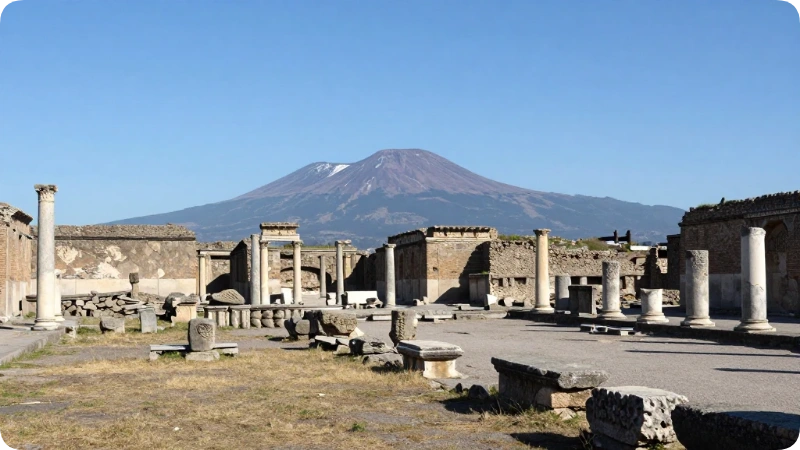
Just outside the city, Mount Vesuvius, Pompeii, and Herculaneum rank among Italy’s most visited archaeological sites, easily reached by the Circumvesuviana train or organized tours.
Underrated stops worth adding:
- The Naples Archaeological Museum, holding artifacts from Pompeii itself
- Certosa di San Martino in Vomero for panoramic Bay of Naples views
- Mergellina’s evening waterfront, quieter than Santa Lucia at sunset
Food & Dining
Naples is the birthplace of pizza, and no visit is complete without trying authentic Neapolitan-style pizza, cooked in wood-fired ovens with soft, chewy crusts. Sfogliatella pastries, espresso, and fresh seafood along the harbor round out the local food identity.
Centro Storico and Chiaia both hold dense clusters of well-loved pizzerias and trattorias, and most locals recommend judging a spot by the line outside rather than tourist ratings alone.
Safety Tips
Naples has a reputation that sometimes outpaces reality; most visits pass without incident, especially when travelers stick to well-populated tourist areas and stay alert around transit hubs.
Practical safety habits:
- Use crossbody bags and avoid back pockets for wallets
- Book verified taxis or ride apps rather than hailing unmarked cars
- Stay in Chiaia, Santa Lucia, or Vomero for lower-risk overnight stays
- Keep valuables out of sight on the Circumvesuviana train, a known pickpocket spot
Common Mistakes to Avoid
Mistake 1: Booking near the train station without research. Fix: Choose Chiaia, Centro Storico’s tourist core, or Santa Lucia instead for a safer, more central base.
Mistake 2: Underestimating walking distances on hilly streets. Fix: Use the funicular for Vomero trips rather than walking the steep hillside routes.
Mistake 3: Skipping Naples entirely for the Amalfi Coast. Fix: Spend at least one full day in Naples; it holds unique history, food, and museums unmatched elsewhere in Campania.
Sample Itinerary
Day 1: Arrive in Naples, settle into Chiaia, then explore Piazza del Plebiscito and the Lungomare at sunset.
Next, spend Day 2 exploring the Centro Storico, visiting Naples Cathedral, walking along Spaccanapoli, enjoying a pizza tasting, and touring Naples Underground.
On Day 3, take the Circumvesuviana train to Pompeii before returning to Naples for dinner in Santa Lucia.
If you have an extra day, catch a ferry to Capri or take the train to Sorrento to extend your trip along the coast.
How many days in Naples is enough? Two to three full days cover the city’s core sights comfortably, while four or more allow time for Pompeii, Herculaneum, and a coastal day trip without feeling rushed.
FAQs
What area is best to stay in Naples?
Chiaia is generally the best area to stay in Naples for most travelers, offering a safe, upscale environment close to major landmarks, restaurants, and the seafront promenade.
Where to stay in Naples, Italy for first timers?
First-timers should stay in Chiaia or Centro Storico, both offering easy walking access to top sights, reliable transit, and enough dining options to explore comfortably without a car.
What is the nicest area in Naples, Italy?
Chiaia is widely considered the nicest area, known for tree-lined streets, boutique shops, and sea views, while Posillipo offers an even more upscale, though less central, alternative.
Is it better to stay in Naples or Amalfi?
Naples suits travelers focused on city sights and Pompeii access, while the Amalfi Coast suits those prioritizing scenic coastal towns; any trips combine a few nights in each.
Where to avoid staying in Napoli?
Avoid booking directly around Napoli Centrale station and parts of Forcella, both linked to higher petty-crime rates, especially for overnight stays.
How many days in Naples is enough?
Two to three days cover the main city sights, while four or more days allowme too visiPompeiiii, Herculaneum, and a day trip along the coast.
What are the safest areas to stay in Naples?
Chiaia, Santa Lucia, and Vomero are the safest areas to stay in Naples, each offering well-lit streets, strong tourist infrastructure, and lower reported crime rates.
What is the best month to go to Naples, Italy?
April, May, September, and October are the best months to visit Naples, offering mild weather and fewer crowds than the peak summer months.
What should I not miss in Naples, Italy?
Don’t miss Naples Cathedral, Spaccanapoli, an authentic Neapolitan pizza, and a day trip to Pompeii; together they capture the city’s history, food culture, and archaeological significance.
What is the most beautiful street in Naples, Italy?
Spaccanapoli, the narrow historic alley slicing through Centro Storico, is often named the most beautiful and atmospheric street in Naples for its layered architecture and street life.
Is Naples better than Rome?
Naples and Rome offer different experiences. Rome has more monumental ancient sites, while Naples offers grittier authenticity, top-tier pizza, and easier access to Pompeii and the Amalfi Coast.
What food is Napoli famous for?
Naples is world-famous for inventing Neapolitan pizza, along with sfogliatella pastries, espresso, and fresh seafood dishes drawing on its long coastal and Mediterranean food traditions.
Can I do a day trip to Amalfi Coast from Naples?
Yes, the Amalfi Coast can be visited as a day trip from Naples via train to Sorrento or Salerno followed by a bus or ferry, though an early start is recommended.
Is it safe to walk in Naples at night?
Main tourist areas like Chiaia and Santa Lucia are generally safe to walk at night, but travelers should avoid poorly lit side streets and stay alert around Napoli Centrale.
Which is safer, Naples or Rome?
Both cities have comparable overall safety for tourists, though Naples carries a stronger reputation for petty theft, making awareness in crowded areas especially important.
How much money for 3 days in Naples?
Naples is more affordable than many major Italian cities, with budget travelers generally spending less on accommodation, food, and transit compared to Rome or Florence. Exact costs vary by travel style and season.
Why is Naples so rundown?
Parts of Naples show visible wear from historic urban density, economic challenges, and aging architecture, though many neighborhoods, particularly Chiaia and Vomero, are well-maintained and modern.
Is it safe to go to Naples right now?
Naples remains a popular, generally safe destination for millions of annual visitors. As with any major city, checking current travel advisories before departure is recommended.
Conclusion
Choosing where to stay in Naples, Italy comes down to three takeaways: Chiaia and Santa Lucia offer the safest, most comfortable bases, Centro Storico delivers the deepest historic atmosphere, and avoiding the immediate train station blocks overnight makes any stay smoother.
Naples rewards travelers willing to look past its rough edges, offering unmatched pizza, layered history, and a launchpad to Pompeii, Sorrento, and the Amalfi Coast all in one trip.
Start narrowing down a neighborhood, compare a few hotels in that pocket, and lock in a base early Naples’ best stays fill up fast during peak travel months.

Stephen Fry brings an insatiable curiosity for history, language, and global heritage to the Travelmarse team. Having spent decades traveling the globe to study regional storytelling and ancient civilizations, he excels at uncovering the hidden narratives of modern destinations. Stephen anchors the cultural vertical on Travelmarse, where he writes deep-dive guides on architectural history, museum crawl strategies, and local customs. His vivid, engaging writing helps travelers look past the surface and truly understand the heritage of the places they visit.