
You pay $400 for a flight. Then your seatmate says she paid $250 for the same trip. Or you drive hours to a national park and spend 90 minutes in a parking line. Both problems have the same root cause: no one looked at the data first.
Travel analytics fixes that. It turns raw numbers into clear answers about when to go, when to book, and where to stay. Travelers can use free tools to do this in minutes. Hotels, airlines, and tourism boards use bigger versions to run entire operations.
This guide explains travel analytics in plain words. You will learn what it is, where the data comes from, and which tools help most. You will also see common mistakes, a 30-day plan, and answers to 12 common questions.
Feature Snippet:
Travel analytics is the practice of collecting and studying travel data, such as flight prices, hotel rates, crowd levels, and booking trends, to make better decisions. Travelers use it to find lower fares and quieter times to travel. Businesses use it to set prices, plan staff, and understand guests.
What Is Travel Analytics?
Travel analytics means using travel data to spot patterns and make choices. The data can include prices, dates, weather, crowds, delays, and guest reviews. The goal is simple: spend less, wait less, and enjoy more. It works for a family planning a road trip and a hotel chain with 500 properties.
Think of it like a weather forecast for your trip. A forecast does not control the weather. However, it helps you pack the right coat.
Travel analytics works the same way. It cannot promise the lowest price or the emptiest trail. Still, it raises your odds a lot.
Two groups use it most:
- Travelers look at price trends, crowd calendars, and on-time records.
- Travel businesses study bookings, guest habits, and demand.
Travel Analytics Quick Facts Table
Travel analytics covers data-based decisions in travel, from choosing a flight date to pricing a hotel room. The table below shows the basics at a glance. Costs and tool features change often, so always check each official site before you rely on them.
| Topic | Quick Answer |
| Main goal | Better decisions with less guesswork |
| Best for | Travelers, hotels, airlines, tour operators, tourism boards |
| Free U.S. data sources | TSA, BTS, NPS, NTTO |
| Free traveler tools | Google Flights, Google Trends, Recreation.gov |
| Skill level needed | Beginner for travelers; more for businesses |
| Biggest benefit | Lower costs and fewer surprises |
| Biggest risk | Trusting old or incomplete data |
Why Travel Analytics Matters in the USA
Travel analytics matters in the USA because the market is huge and prices shift fast. Millions of people fly, drive, and book rooms every year. Demand changes by season, event, and even day of the week. Data helps you see these swings before they hit your wallet.
America is a big, busy travel market. Holidays, school breaks, and big events can pack airports and parks in a short time. Prices often rise with that demand.
For example, a long July 4 weekend can fill roads and flights quickly. In contrast, a quiet Tuesday in October may feel calm and cost less. Analytics shows you that gap.
In addition, many U.S. agencies share public data. That makes it easier for regular travelers to learn from the same numbers the experts use.
Types of Travel Analytics Explained
There are three main types of travel analytics: descriptive, predictive, and prescriptive. Descriptive explains what happened. Predictive guesses what will happen next. Prescriptive suggests what to do about it. Most travelers use the first two without even knowing it.
Descriptive Analytics: What Happened?
This type looks at the past. A price graph that shows how a fare moved over the last month is descriptive. So is a chart of monthly park visits.
Predictive Analytics: What Might Happen?
This type uses past patterns to guess the future. Some flight tools say a fare will likely rise or fall. These are estimates, not promises.
Prescriptive Analytics: What Should I Do?
This type gives advice. A tool might say, “Book now” or “Wait.” Businesses use it too, such as when a hotel system suggests a new room rate.
Where Travel Analytics Data Comes From
Travel data comes from government agencies, airlines, booking sites, search engines, and review platforms. In the USA, trusted public sources include the TSA, the Bureau of Transportation Statistics, the National Park Service, and the National Travel and Tourism Office. Always check the date on any data you use.
Here are reliable places to start:
- TSA: posts daily checkpoint travel numbers, which show how busy airports are across the country.
- Bureau of Transportation Statistics (BTS): shares airline on-time and delay records.
- U.S. Department of Transportation (DOT): publishes the Air Travel Consumer Report, which covers complaints and delays.
- National Park Service (NPS): offers visitor use statistics for many parks.
- National Travel and Tourism Office (NTTO): tracks international visitors to the USA.
- State tourism boards: often share visitor trends for their own regions.
Tip: Public data can lag by weeks or months. Use it to see big patterns, not last-minute changes.
How Travelers Can Use Travel Analytics
Travelers can use travel analytics by checking price history, crowd patterns, and delay records before booking. Start with three questions: When is it cheapest? When is it least crowded? How reliable is this route? Each answer takes only a few minutes to find.
Follow these steps for any trip:
- Pick a flexible window. A range of dates gives the data room to help.
- Check price trends. See whether your dates look high or low for that route.
- Look at crowd data. Review monthly or daily visitor patterns for your stop.
- Review on-time records. Some routes and airports run late more often.
- Set alerts. Let a tool watch prices while you plan.
- Book, then verify. Confirm rules and fees on the official airline or hotel page.
Small habits add up. Even one hour of research can save real money.
Best Time to Book and Visit: Seasonal Comparison
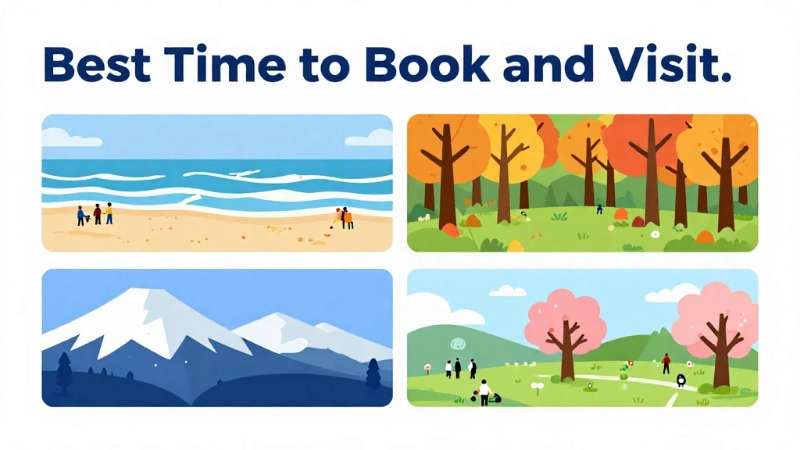
The best time to travel depends on your goal. Peak season has the most crowds and highest prices. Shoulder season, often spring and fall, balances cost and weather. Off-season is usually the cheapest but may bring harsh weather or limited hours. Patterns vary by destination, so check local data.
| Season | Typical Months | Crowds | Prices | Notes |
| Peak | Summer, major holidays, spring break | High | Often highest | Book early; expect lines |
| Shoulder | April–May, September–October | Medium | Often moderate | Good mix of weather and value |
| Off-season | Late winter, early November (varies) | Low | Often lowest | Some places cut hours or close |
Pros of shoulder season: fewer people, fair prices, pleasant weather in many areas.
Cons of shoulder season: some tours or trails may run on limited schedules.
Because every place differs, check official calendars. For instance, beach towns and ski towns have opposite peak times.
Free Travel Analytics Tools Worth Trying
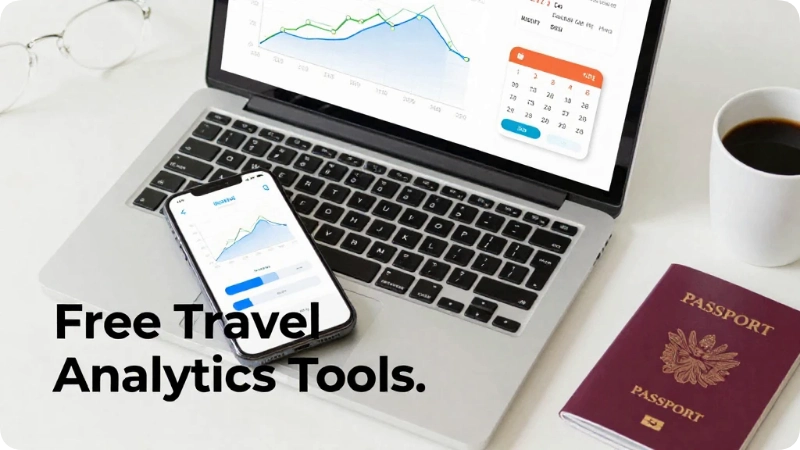
Several free tools give travelers real analytics power. Google Flights shows price history and flags typical fares. Google Trends reveals when interest in a place rises. Recreation.gov helps with permit and reservation planning. Use at least two tools to cross-check your findings.
- Google Flights: offers price tracking, a date grid, and a price graph for many routes.
- Google Trends: shows search interest over time, which hints at busy seasons.
- FlightAware: tracks live flights and past on-time performance.
- NPS park pages and visitor data: help you spot slower months at national parks.
- Recreation.gov: lists permits, timed entries, and campsite rules for many federal sites.
- Airline and hotel apps: often show deals, fare calendars, and member prices.
Features and rules change, so confirm details on each official site. Also, one tool never tells the full story. Compare at least two.
How Travel Businesses Use Travel Analytics
Travel businesses use analytics to set prices, plan staff, and understand guests. Hotels adjust room rates based on demand. Airlines study seat sales. Tour operators watch which trips sell fastest. The result is better planning and fewer empty seats or rooms.
Here is how it works in real life:
- Hotels study past bookings, local events, and competitor rates to set nightly prices.
- Airlines use demand data to decide how many seats to sell at each price level.
- Tour companies track which dates and trips sell out, then add more of them.
- Restaurants and attractions use visitor patterns to plan staff and supplies.
- Tourism boards study visitor trends to shape marketing and fund projects.
This is why prices move so much. Businesses react to data in real time. When you use data too, you meet them on a level playing field.
Travel Analytics for Airports, Airlines, and Transportation
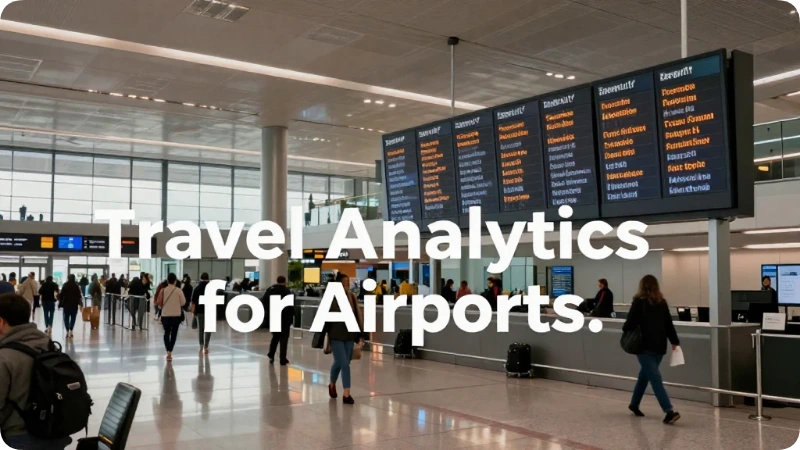
Airports and airlines use analytics to cut delays and manage crowds. They study flight patterns, security wait times, and weather. Travelers can use the same ideas by checking on-time records, picking less busy airports, and flying at quieter hours.
Large hubs like Atlanta (ATL), Chicago O’Hare (ORD), and Dallas/Fort Worth (DFW) handle huge crowds. Because of that, one weather problem can ripple across the country.
You can protect your trip with a few smart moves:
- Choose earlier flights. Morning flights often face fewer knock-on delays.
- Avoid tight connections. Leave extra time between flights.
- Check airport options. A smaller nearby airport may have shorter lines.
- Consider TSA PreCheck. It may speed up screening for eligible travelers; check TSA.gov for current rules and fees.
- Use train or road options. Routes like Amtrak’s Northeast Corridor can beat short flights on some trips.
Travel Analytics Budget Breakdown
You can start travel analytics for free. Most useful tools and public data cost nothing. Paid options exist, such as premium price trackers or business software, but beginners rarely need them. Prices change often, so check each provider for current costs.
| Level | Typical Cost | What You Get |
| Free | $0 | Price graphs, alerts, public data, crowd calendars |
| Low-cost | Varies | Premium trackers, flight alert subscriptions |
| Business-level | Varies widely | Revenue tools, booking dashboards, custom reports |
Money-saving tip: Try free tools for a few trips first. Upgrade only if you find a clear gap.
Time-saving tip: Set price alerts early. The tool then watches fares while you work or sleep.
Accommodations, Tours, Transportation, and Insurance
Analytics helps with four big booking choices: where to stay, what to book, how to get around, and whether to buy insurance. Compare data on each before you pay. Also, read cancellation rules closely, because flexible options can matter more than the lowest price.
Accommodations: Compare rates across several dates. A one-night shift can change the price a lot, especially near big events.
Tours: Check how far ahead popular tours sell out. Book early for timed entries and small-group trips.
Transportation: Compare flying, driving, and rail. Add parking, gas, and baggage costs to find the true total.
Travel insurance: Policies differ in what they cover. Read the terms, check what your credit card already offers, and ask the provider about trip delays, medical care, and cancellations.
Booking considerations: A cheaper non-refundable fare can cost more if plans change. Therefore, weigh the savings against the risk.
Privacy and Safety in Travel Analytics
Travel analytics uses personal data, so privacy matters. Share only what you must, read privacy settings, and use trusted sites. Businesses must also protect guest data and follow laws such as the California Consumer Privacy Act where it applies.
Protect yourself with simple habits:
- Use strong, unique passwords for travel accounts.
- Turn on two-step login when offered.
- Avoid booking on public Wi-Fi without a secure connection.
- Check the web address before you enter payment details.
- Review what data apps collect, such as your location.
Also, be careful with scam deals. A price that looks too good may be a trap. Always book through the official site or a trusted seller.
Family, Solo, and Accessibility Tips
Different travelers need different data. Families should check crowd levels and kid-friendly times. Solo travelers should review safety and transit data. Travelers with disabilities should confirm access details directly with each venue, since online listings can be incomplete.
Families:
- Look for shoulder-season dates to avoid long lines.
- Check school calendars, since they drive peak demand.
- Pick flights that match nap and meal times.
Solo travelers:
- Review neighborhood and transit information before booking a stay.
- Share your plans with someone you trust.
- Choose well-reviewed places with clear recent feedback.
Accessibility:
- Call or email venues to confirm ramps, elevators, and seating.
- Check airline and TSA pages for assistance rules.
- Ask about accessible tours and transport before you pay.
Common Travel Analytics Mistakes and How to Fix Them
The most common mistakes are trusting one tool, using old data, and waiting too long to book. Each one has a simple fix. Compare sources, check dates, and act when a price fits your budget. Avoid chasing a perfect deal that may never come.
- Mistake: Trusting one source.
Fix: Cross-check at least two tools or sites. - Mistake: Using old data.
Fix: Look at the date on every chart. Newer data is safer, especially after big changes in travel demand. - Mistake: Waiting for the “perfect” price.
Fix: Set a target price. When a fare hits it, book it.
Bonus mistake: Ignoring total cost. A cheap fare with high bag fees may cost more than a fair fare that includes bags.
Underrated Alternatives to Popular Tools and Spots
Underrated options can save money and stress. Smaller airports, midweek travel, and lesser-known parks often have lower costs and fewer crowds. Analytics helps you spot them. Compare the numbers, then pick the place that fits your goals.
- Nearby smaller airports. Check fares from regional airports within driving distance.
- Midweek travel. Tuesday through Thursday trips often feel calmer and may cost less.
- Lesser-known public lands. Many state parks and national forests offer great views with smaller crowds.
Crowd-avoidance tips:
- Arrive early in the morning or later in the day.
- Visit popular spots on weekdays.
- Skip holiday weekends when you can.
Photo tip: Golden hour, just after sunrise or before sunset, gives soft light and thinner crowds at many outdoor sites.
Sample 30-Day Travel Analytics Plan
A 30-day plan keeps your research simple. Spend week one on dates and budget, week two on price tracking, week three on crowds and logistics, and week four on final booking. Short steps beat last-minute stress and often lead to better deals.
Week 1: Set your goals
- Pick a flexible date range.
- Set a total budget.
- List must-see stops.
Week 2: Track prices
- Create alerts for flights and hotels.
- Compare nearby airports.
- Note typical price ranges.
Week 3: Check crowds and rules
- Review park or attraction visitor patterns.
- Check permit and timed-entry rules.
- Read recent traveler feedback.
Week 4: Book and verify
- Book the best fit for your budget.
- Confirm cancellation rules.
- Save confirmations offline.
Is Travel Analytics Worth It?
Yes, travel analytics is worth it for most travelers. It takes little time, costs nothing at the basic level, and can save money and stress. It does not guarantee a perfect trip. Treat it as a smart guide, not a crystal ball.
How much time do you need? One to two hours per trip covers the basics. Big trips may take a few more.
What is overrated? Chasing tiny price drops. Spending hours to save a few dollars rarely pays off.
What is underrated? Checking crowd data and delay records. These can protect your time as much as your money.
Honest drawback: Data can be wrong or outdated. Prices can change in minutes. Always verify with official sources before you pay.
FAQs
These questions cover what travelers and small travel businesses ask most. Each answer is short and direct. For prices, rules, and hours, always confirm with official sources, since they change often.
What is travel analytics in simple words?
Travel analytics is using travel data to make smarter choices. It looks at prices, crowds, delays, and trends. Travelers use it to book at better times. Businesses use it to set rates and plan staff. In short, it replaces guessing with facts.
How can I use travel analytics to find cheaper flights?
Start with a flexible date range. Use a tool such as Google Flights to view price history and set alerts. Compare nearby airports and midweek dates. Then book when the fare matches your budget. Always check the airline’s official page for final rules and fees.
What is the best time to book a trip?
There is no single best time for every trip. Prices depend on route, season, and demand. Start tracking fares weeks or months ahead, and watch for typical price ranges. Book when a fare fits your budget, especially for holidays, when prices tend to climb.
Is travel analytics free for travelers?
Yes, basic travel analytics is free. Public data from agencies like the TSA and NPS costs nothing. Many price trackers and crowd calendars are free too. Paid tools exist, but most travelers do fine without them. Check each tool for current features and costs.
How do hotels use travel analytics?
Hotels study past bookings, local events, and rival prices. Then they adjust room rates to match demand. They also plan staff and supplies using visitor patterns. This helps them fill rooms while keeping prices fair for the season.
Where can I find reliable U.S. travel data?
Trusted sources include the TSA, the Bureau of Transportation Statistics, the Department of Transportation, the National Park Service, and the National Travel and Tourism Office. State tourism boards also share local numbers. Always check the date, because some reports lag behind real events.
Can travel analytics predict crowds at national parks?
It can help, but it cannot promise exact numbers. NPS visitor statistics show past monthly patterns. Use them to guess busy and quiet seasons. Then check the park’s official page for current alerts, timed entries, and closures before you go.
What skills do I need to start with travel analytics?
You need no special skills to start. If you can read a simple chart, you can use price graphs and crowd calendars. Businesses may need data tools and trained staff. For travelers, curiosity and a few free tools are enough.
Does travel analytics work for road trips?
Yes. You can study gas price trends, traffic patterns, and park visitor data. Check state transportation sites for road conditions and construction. Also, compare drive times at different hours. Leaving early or late can help you skip peak traffic.
Is travel analytics safe for my personal data?
It can be safe when you use trusted sites and good habits. Review privacy settings, use strong passwords, and limit location sharing. Avoid entering payment details on public Wi-Fi. Read each provider’s privacy policy to learn how it uses your data.
How accurate are flight price predictions?
They are estimates, not guarantees. Tools study past patterns, but prices can shift fast. Use predictions as a guide. If a fare fits your budget and the rules work for you, booking can beat waiting for a small drop.
How is travel analytics different from a travel agent?
A travel agent offers personal advice and handles bookings. Travel analytics gives you data so you can decide yourself. Many travelers use both. Analytics shows the trends, while an agent can help with complex trips, group plans, or problems on the road.
Conclusion:
Travel analytics helps you spend less, wait less, and enjoy more. Start with free tools, check trusted U.S. data, and verify every detail on official sites. Small, steady habits lead to better trips and stronger travel businesses.
Here are the three big takeaways:
- Data beats guessing. Prices, crowds, and delays follow patterns you can learn.
- Free tools go a long way. Google Flights, public agency data, and crowd calendars cover most needs.
- Always verify. Prices, hours, and rules change, so confirm before you book.
So, pick one tool today. Set one price alert. Then watch how much calmer your next trip planning feels.
The road is wide open. With the right numbers in your pocket, you are ready to enjoy it. 🧭

Ben Fogle believes that true adventure begins where the pavement ends. After spending years documenting extreme environments, rowing across oceans, and trekking through frozen landscapes, he mastered the art of wilderness travel. For Travelmarse, Ben constructs highly detailed guides on deep-nature packing lists, wildlife safety, and sustainable eco-tourism. He breaks down intimidating, rugged expeditions into clear, step-by-step roadmaps so everyday travelers can safely connect with the natural world.