Italy pulls American travelers in for reasons that go far beyond a checklist of landmarks. It’s a country where a two-hour dinner is normal, where centuries-old churches sit beside espresso bars, and where every region seems to have its own dialect, wine, and pasta shape.
Knowing what Italy is known for helps travelers set expectations, plan smarter routes, and avoid wasting precious vacation days on the wrong stops. This guide brings together Italy’s food, history, fashion, cities, and culture in one place, with practical, research-backed details for planning a first or fifth trip.
Featured Snippet:
Italy is known for its art and ancient history (Rome’s Colosseum, Renaissance masterpieces), world-famous food (pizza, pasta, gelato), fashion houses like Gucci and Prada, stunning regions like Tuscany and the Amalfi Coast, and a relaxed lifestyle built around family, coffee, and good food.
Quick Facts About Italy
| Category | Detail |
| Capital | Rome |
| Population | Roughly 59 million |
| Language | Italian (regional dialects vary widely) |
| Currency | Euro (€) |
| Best known for | Food, art, fashion, history, coastline |
| Major airports | Rome Fiumicino (FCO), Milan Malpensa (MXP), Venice Marco Polo (VCE) |
| UNESCO World Heritage Sites | 60, the most of any country |
What Is Italy Known For Food
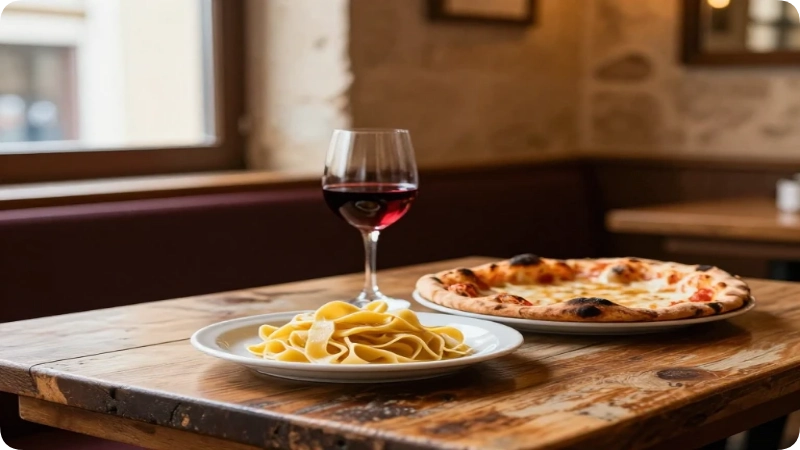
Italy is known for food that varies dramatically by region, from Neapolitan pizza and Bolognese ragù to Sicilian seafood and Piedmontese truffles. Each region fiercely guards its own recipes, and “Italian food” in the U.S. often reflects only a fraction of what’s actually eaten locally.
Travelers should expect fresh pasta shapes tied to specific cities (tagliatelle in Bologna, orecchiette in Puglia), regional cheeses like Parmigiano-Reggiano and Pecorino, and cured meats such as prosciutto and mortadella. Gelato, espresso, and wine culture round out the daily rhythm.
Insider tip: Skip restaurants with picture menus near major landmarks; locals rarely eat there. A busy trattoria a few streets away, with a handwritten menu in Italian only, is usually the better sign.
What Is Italy Known For Producing
Italy is a top global producer of wine, olive oil, cheese, and luxury goods. It’s the world’s largest wine producer by volume, home to regions like Tuscany (Chianti), Piedmont (Barolo), and Veneto (Prosecco).
Beyond food, Italy leads in leather goods, ceramics (especially from Deruta and Vietri sul Mare), and high-end manufacturing like sports cars from Ferrari and Lamborghini, both headquartered in Emilia-Romagna’s “Motor Valley.”
Olive oil production is concentrated in Puglia, Tuscany, and Calabria, and many small producers offer tastings that go far deeper than what’s available in U.S. grocery stores.
Top 20 Things Italy Is Famous For
Italy’s fame spans history, culture, and daily life. Here’s a condensed list travelers frequently search for:
- The Colosseum and Roman Forum
- The Vatican and Sistine Chapel
- The Leaning Tower of Pisa
- Venice’s canals and gondolas
- The Amalfi Coast
- Tuscan countryside and vineyards
- Pizza and pasta
- Gelato and espresso culture
- Renaissance art (Michelangelo, Leonardo da Vinci, Botticelli)
- Fashion houses (Gucci, Prada, Versace, Armani)
- Opera and classical music heritage
- Ferrari and Lamborghini
- Pompeii’s ruins
- Lake Como
- The Sicilian coastline and Mount Etna
- Catholic pilgrimage sites
- Carnival of Venice
- Handmade leather and ceramics
- Family-centered, slow-paced daily life
- Regional wine culture
Rather than trying to see everything, most travelers get more value from picking two or three regions and slowing down.
What Is Italy Known For Historically
Italy is known historically as the birthplace of the Roman Empire and the Renaissance, two eras that shaped Western law, architecture, art, and governance. Rome’s ruins, including the Colosseum and Pantheon, remain some of the best-preserved ancient structures in the world.
The Renaissance, centered in Florence during the 14th–16th centuries, produced artists like Leonardo da Vinci, Michelangelo, and Raphael, whose work is still viewable in the Uffizi Gallery and the Sistine Chapel.
Italy was also unified as a single nation only in 1861, which is why regional identity, dialects, and cuisine still feel more distinct than in most European countries.
What Is Italy Known For Gifts
Popular Italian gifts include leather goods (bags, wallets, gloves), Murano glass from Venice, ceramics from Tuscany or the Amalfi Coast, and food items like olive oil, balsamic vinegar, and dried pasta.
Smaller, packable options include:
- Locally made soaps or perfumes from Florence’s historic pharmacies
- Coffee (moka pots and ground espresso)
- Hand-painted ceramics from Deruta or Positano
- Local wine (check U.S. customs limits before flying)
Money-saving tip: Artisan markets in smaller towns often sell the same quality as boutique shops in Venice or Florence for noticeably less.
Is Italy Famous for Fashion
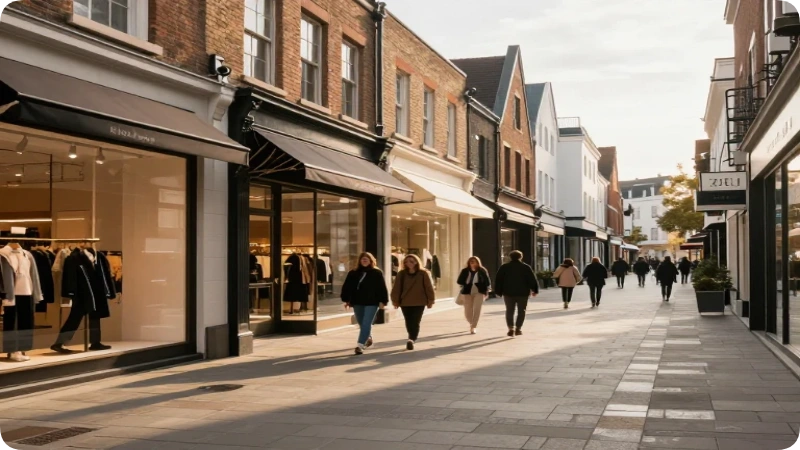
Yes Italy is one of the fashion capitals of the world, home to Milan Fashion Week and luxury houses including Gucci, Prada, Versace, Armani, and Valentino. Milan is the commercial fashion hub, while smaller ateliers across the country still produce traditional tailoring and leatherwork.
Shopping districts like Milan’s Quadrilatero della Moda or Rome’s Via dei Condotti offer flagship stores, while outlet villages such as The Mall (near Florence) or Serravalle Designer Outlet draw travelers looking for lower prices on the same brands.
What Is Famous in Italy for Shopping
Italy is famous for shopping in leather goods, fashion, jewelry (especially gold in Florence and Vicenza), and artisanal crafts. Florence is particularly known for leather markets like San Lorenzo, while Venice specializes in glasswork and lace.
| City | Known For Shopping |
| Milan | Designer fashion, flagship stores |
| Florence | Leather goods, gold jewelry |
| Venice | Murano glass, lace |
| Rome | Vintage boutiques, designer streets |
| Naples | Handmade nativity figurines, tailoring |
Common mistake: Buying “leather” souvenirs from street stalls near train stations; quality and authenticity vary widely. Shopping in dedicated leather districts or verified boutiques is safer.
What Is Italy Known for Economically
Italy has the third-largest economy in the Eurozone, built heavily on manufacturing, tourism, fashion, automotive engineering, and agriculture. It’s a major exporter of wine, olive oil, machinery, and luxury goods.
Tourism alone makes up a significant share of GDP, driven by cultural heritage sites, coastal regions, and culinary tourism. Small and medium-sized family businesses from vineyards to fashion ateliers remain a defining feature of the Italian economy, unlike the larger corporate models common in the U.S.
The “Big Three” Cities in Italy
For first-time visitors, the “big three” usually refers to Rome, Florence, and Venice, the classic itinerary combining ancient history, Renaissance art, and canal-side charm. Some travelers also count Milan as a fourth stop for fashion and design.
- Rome ancient history, the Vatican, food scene
- Florence Renaissance art, architecture, leather shopping
- Venice canals, glasswork, romantic atmosphere
Top City in Italy for Visitors
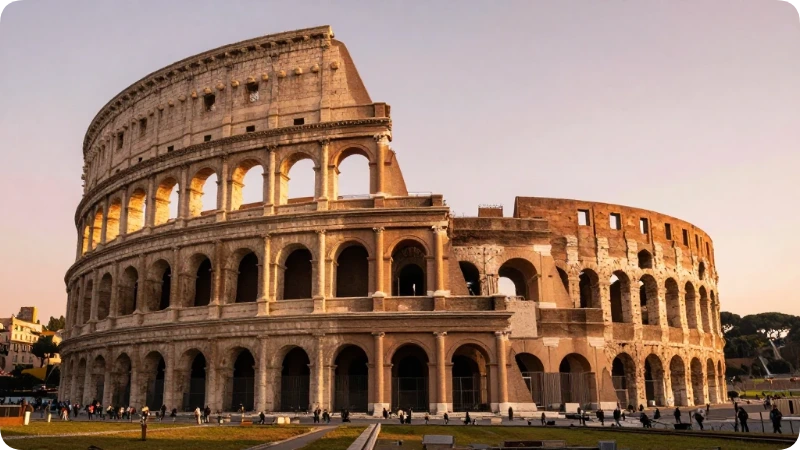
Rome is generally considered the top city in Italy for first-time visitors, thanks to its density of historic sites; the Colosseum, Roman Forum, Vatican Museums, and Trevi Fountain are all within a manageable area. Most travelers need at least 3–4 full days to see Rome without rushing.
Nicest Region of Italy
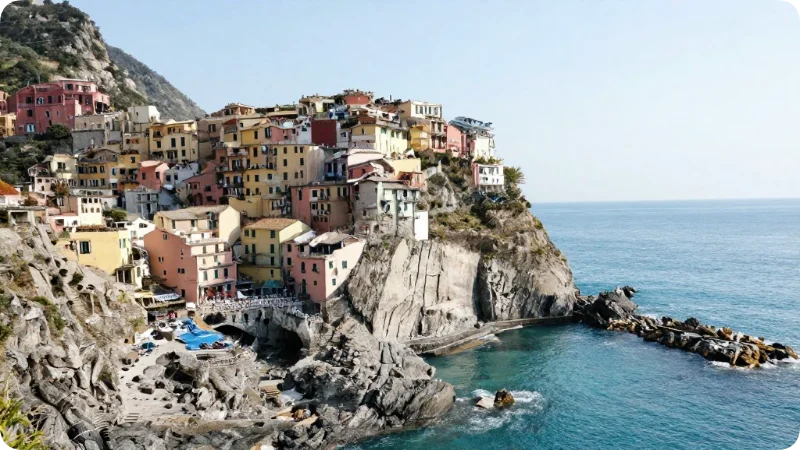
There’s no single “best” region; it depends on priorities:
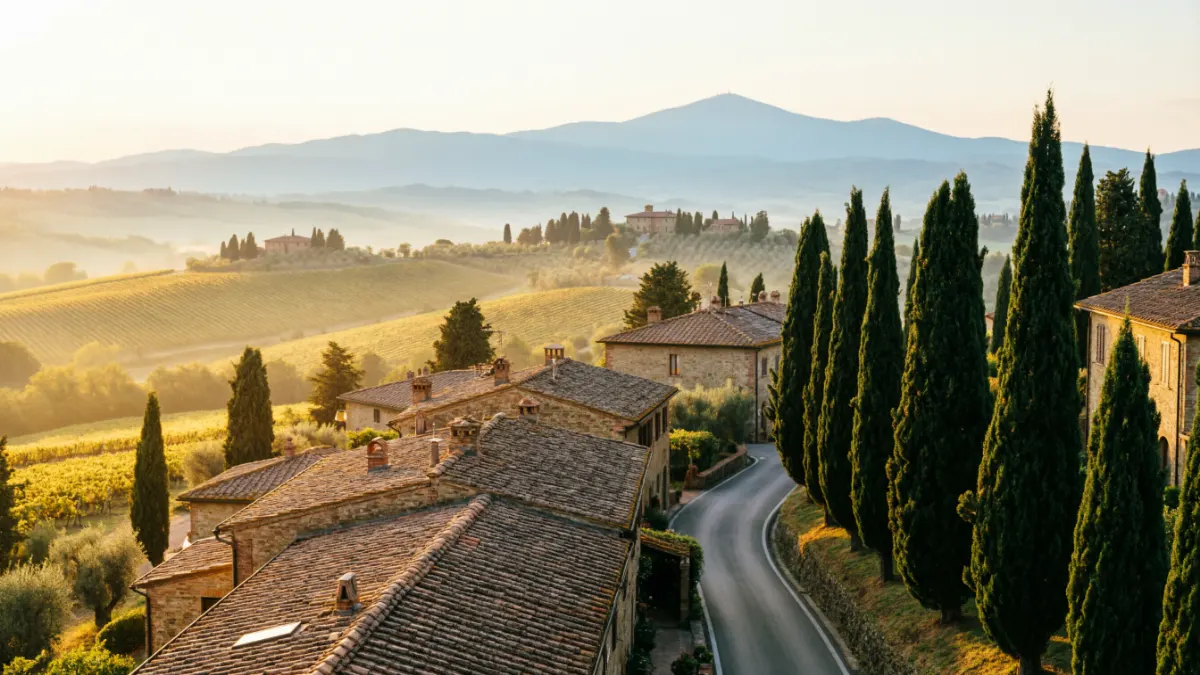
- Tuscany rolling hills, wine, slower pace
- Amalfi Coast (Campania) dramatic coastal views, beach towns
- Puglia whitewashed towns, quieter crowds, lower prices
- Sicily beaches, ancient ruins, distinct cuisine
Underrated pick: If you’re looking for a quieter coastal escape, Puglia offers much of the charm of the Amalfi Coast with fewer crowds and generally lower prices. As a result, it’s an excellent alternative for travelers who want stunning beaches, picturesque towns, and authentic Italian culture without paying peak-season rates.
Best Time to Visit Italy
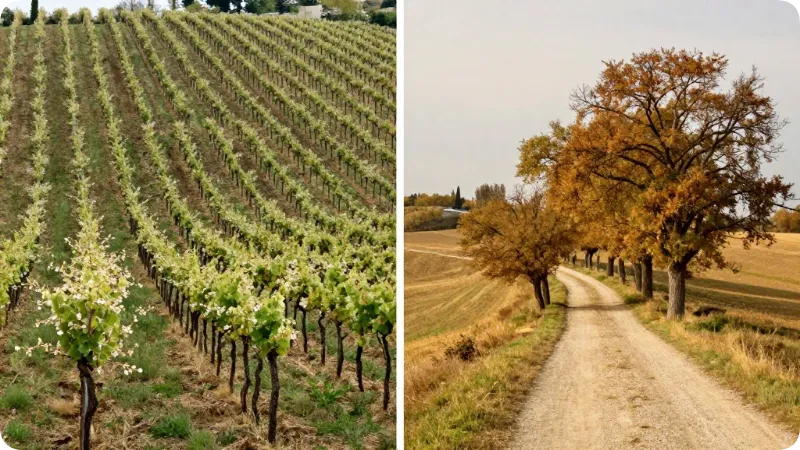
| Season | Months | Pros | Cons |
| Spring | April–June | Mild weather, blooming countryside | Rising prices, popular sites busier |
| Summer | July–August | Long days, festivals | Peak heat, peak crowds, higher prices |
| Fall | September–October | Comfortable weather, harvest season | Some coastal towns start closing |
| Winter | November–March | Lowest prices, fewer tourists | Cold, some attractions have shorter hours |
Shoulder seasons (April–May and September–October) are generally the sweet spot for weather and crowd levels. Always check official hours through Italy’s national tourism board (ENIT) before finalizing plans, since schedules shift seasonally.
FAQs
What is Italy most famous for?
Italy is most famous for its ancient Roman history, Renaissance art, and food culture, particularly pizza, pasta, and wine. The Colosseum, Vatican, and Venice canals are among its most recognized landmarks worldwide.
What are 5 facts about Italy?
Italy has 60 UNESCO World Heritage Sites, more than any other country. It’s the world’s largest wine producer by volume. Italian was only made the country’s official spoken language nationwide after unification in 1861. Vatican City, an independent state, sits inside Rome. Italy has over 7,900 miles of coastline.
What are the two “countries” people confuse with Italy?
Travelers sometimes ask about “two countries in Italy” because Vatican City and San Marino are independent nations located entirely within Italy’s borders. Vatican City sits inside Rome, while San Marino is a small enclave near the Adriatic coast.
How many major cities are in Italy?
Italy has 20 regions and hundreds of cities, but the most-visited by international travelers are Rome, Florence, Venice, Milan, Naples, and Bologna, along with coastal hubs like Sorrento and Taormina.
How do you say “please” in Italian?
“Please” in Italian is “per favore”. It’s used the same way across the country, including in Rome, and is one of the most useful phrases for polite requests in restaurants, shops, and transit.
Why is 13 considered lucky in Italy?
Unlike in the U.S., the number 13 is traditionally seen as lucky in Italy, especially in card games and lottery culture, while 17 is the number more commonly associated with bad luck due to its Roman numeral anagram (XVII) resembling “I lived” in Latin, a phrase linked to death.
What should I bring home from Italy?
Popular takeaways include olive oil, dried pasta, wine, leather goods, and ceramics. Perishables and liquids should meet U.S. Customs and TSA guidelines, so checking current limits before departure is worth the extra few minutes.
Is 3 days enough to see Rome?
Three days covers Rome’s major landmarks, the Colosseum, Vatican Museums, and historic center, but doesn’t leave much room for day trips or a slower pace. Four to five days is more comfortable for a first visit.
What’s overrated in Italy, and what’s underrated?
The Trevi Fountain and central Venice during peak summer hours are often called overrated due to crowd density. Puglia, Bologna, and the Cinque Terre off-season are frequently cited as underrated for a similar cultural experience with far fewer tourists.
Is Italy walkable for travelers without a car?
Most historic centers Rome, Florence, Venice, and Siena are very walkable, and high-speed trains like Trenitalia and Italo connect major cities efficiently. Renting a car is more useful for exploring rural regions like Tuscany or Puglia at a slower pace.
What time do Italians typically go to bed?
Italian evenings run later than typical U.S. schedules; dinner often starts at 8–9 p.m., especially in summer, with bedtime commonly falling later as a result. This is one reason midday closures (“riposo”) exist in smaller towns.
Conclusion
Italy’s reputation comes from a rare combination: layered history, food that varies block by block, and a slower daily rhythm that’s hard to find elsewhere.
Three things to remember before booking a trip: first, pick fewer regions and explore them more deeply. Second, plan your visit around the shoulder seasons for the best balance of pleasant weather, lower costs, and smaller crowds. Finally, leave room in your itinerary for the small, unplanned moments that make Italy so memorable.
If it’s a plate of fresh pasta in Bologna or a quiet evening in Puglia, Italy rewards travelers who slow down and enjoy the experience. To make the most of your trip, start planning your flights, destinations, and budget early. After all, popular routes such as Rome–Florence–Venice fill up quickly during the peak travel season, so booking in advance can help you secure better prices and more choices.

Ben Fogle believes that true adventure begins where the pavement ends. After spending years documenting extreme environments, rowing across oceans, and trekking through frozen landscapes, he mastered the art of wilderness travel. For Travelmarse, Ben constructs highly detailed guides on deep-nature packing lists, wildlife safety, and sustainable eco-tourism. He breaks down intimidating, rugged expeditions into clear, step-by-step roadmaps so everyday travelers can safely connect with the natural world.