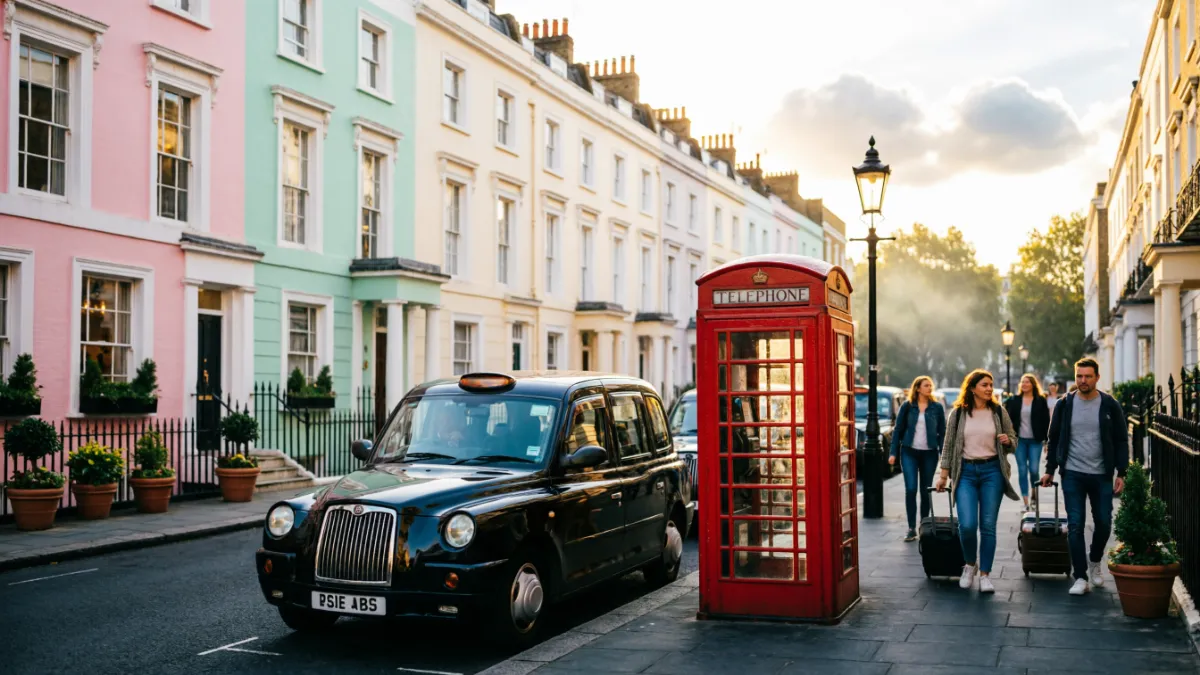
Standing on a London street corner with a rolling suitcase, staring at a map that makes no sense, is not how any trip should start. Picking the wrong neighborhood can turn a dream trip into hours of confusing Tube transfers and overpriced taxis back to a hotel that’s nowhere near anything.
Choosing where to stay in London for the first time is arguably the single biggest decision that shapes the entire trip; it determines how much time gets wasted commuting versus spent actually exploring.
This guide breaks down the safest, most convenient, and most budget-friendly areas for first-timers, plus honest answers about safety, transport, and the mistakes most visitors make before they’ve even landed at Heathrow.
Quick Answer:
First-time visitors should stay in South Kensington, Covent Garden, Westminster, or Paddington all central, walkable, well-connected by Tube, and close to major attractions like the British Museum, Big Ben, and Hyde Park. These areas balance safety, transport access, and sightseeing convenience for travelers new to London.
Best Areas to Stay in London for First-Timers
South Kensington, Covent Garden, Westminster, Bloomsbury, and Paddington consistently rank as the top choices for first-time visitors. Each sits within walking distance or a short Tube ride of major landmarks, has strong late-night transport links, and offers a range of hotel prices from budget to luxury.
| Neighborhood | Best For | Nearby Landmarks | Tube Zone |
| South Kensington | Museums, families | Natural History Museum, V&A, Hyde Park | Zone 1 |
| Covent Garden | First-timers, nightlife | Theatre District, Trafalgar Square | Zone 1 |
| Westminster | Iconic sightseeing | Big Ben, Westminster Abbey, London Eye | Zone 1 |
| Bloomsbury | Budget + culture | British Museum, King’s Cross | Zone 1 |
| Paddington | Airport access | Hyde Park, Heathrow Express | Zone 1 |
| Shoreditch | Nightlife, trendy stays | Brick Lane, Old Street | Zone 1 |
Each of these neighborhoods puts most of London’s must-see sights within a 20 30 minute Tube ride, which matters enormously on a first visit when energy and time are both limited.
Where Do Most Tourists Stay in London?
Most visitors book accommodation around Covent Garden, South Kensington, and Westminster because these areas sit at the intersection of major Tube lines, tourist attractions, and dependable dining options. Booking platforms consistently show these three neighborhoods among the highest-demand areas for international travelers.
The appeal is practical rather than glamorous: these spots minimize commute time to the London Eye, Buckingham Palace, and the West End theatres. Visitors who prioritize convenience over local, off-the-beaten-path atmosphere tend to gravitate here.
That said, popularity also means higher prices, especially during summer and around Christmas. Booking three to four months ahead typically secures better rates in these zones.
Safest Neighborhoods in London for Tourists
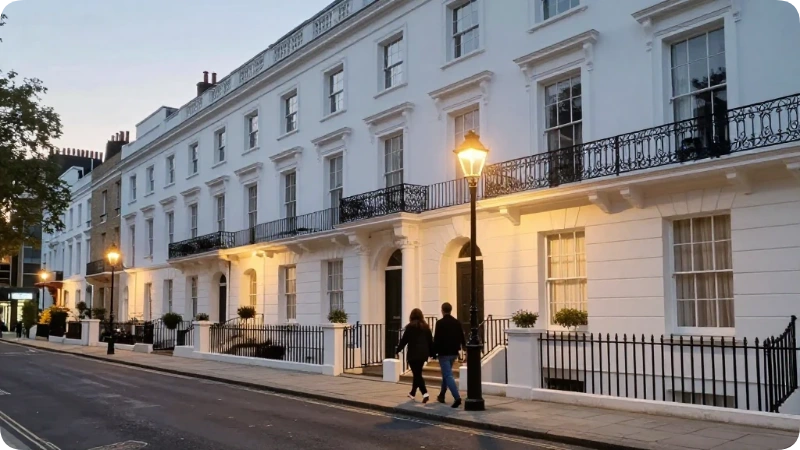
South Kensington, Marylebone, Chelsea, and Westminster are generally considered among London’s safer central areas for visitors, largely due to heavy foot traffic, well-lit streets, and a strong police and CCTV presence. Like any major city, petty theft (particularly pickpocketing on the Tube and near tourist attractions) is the most common concern rather than violent crime.
The Metropolitan Police publishes area-by-area crime statistics on its official site, and it’s worth a quick check before booking if safety is a top priority. Standard city precautions apply everywhere: keep bags zipped and in front, avoid flashing phones or cash in crowded areas, and stay aware of surroundings late at night.
Practical tip: Sticking to Zone 1 and Zone 2 neighborhoods with active nightlife (rather than isolated residential streets) tends to feel noticeably safer after dark simply because there are more people around.
Where in London Has the Worst Crime Rate?
Crime data varies by year and by the specific type of crime measured, so naming a single “worst” area isn’t reliable or fair. Some outer boroughs report higher rates of certain offenses but see very few tourists, while high-footfall tourist zones report more pickpocketing purely due to the volume of visitors.
Rather than relying on general reputation, check the Metropolitan Police’s official crime map (met.police.uk) for current, street-level data before booking. This is the most accurate and up-to-date source, since crime patterns can shift from month to month.
For context, most first-time visitors staying in central tourist areas like Zone 1 will not encounter serious safety issues; pickpocketing and scams near crowded attractions are the more realistic concerns to plan around.
Is It Safe to Walk at Night in London?
Central London is generally safe to walk at night, especially in well-lit, busy areas like the West End, South Bank, and Covent Garden, where foot traffic remains steady well past midnight. Night Tube service (Friday and Saturday nights on select lines) and 24-hour buses make getting back to accommodation straightforward without needing a taxi.
That said, quieter residential side streets, especially outside Zone 1, are less predictable after dark. Sticking to main roads, using well-reviewed licensed taxis or ride-share apps rather than hailing unmarked cabs, and avoiding empty Tube carriages late at night are simple, effective precautions.
Solo travelers in particular should note that London’s official black cabs and Uber both track routes digitally, which adds a layer of safety compared to unlicensed minicabs.
Best Walkable Areas to Stay in London

Covent Garden, Westminster, and South Kensington offer the best walkability for first-timers, putting theatres, museums, parks, and river views within a 15 20 minute walk of most hotels. This matters because London’s core attractions Trafalgar Square, the National Gallery, Big Ben, and the South Bank cluster are close enough to explore largely on foot.
Walking also remains the best way to actually experience London’s character: hidden courtyards, historic pubs, and architecture that’s easy to miss from inside a Tube carriage. Comfortable shoes matter more than any packing list item for a London trip.
For visitors who want walkability without the premium price tag of Covent Garden, Bloomsbury offers a similar experience near the British Museum at a noticeably lower cost.
Where to Stay in London to Be Close to Everything
Covent Garden and Westminster sit closest to the highest concentration of major attractions; the West End theatres, Trafalgar Square, Big Ben, Westminster Abbey, and the London Eye are all within a 20-minute walk or one Tube stop of accommodation in these areas.
For visitors prioritizing proximity over budget, this central positioning cuts down significantly on daily transport costs and time, which adds up meaningfully across a 4 7 day trip.
Alternative for slightly lower prices: Bloomsbury and Marylebone offer nearly the same central convenience with hotel rates that run 15 25% lower on average than Covent Garden.
Best Areas to Stay in London for Sightseeing
South Kensington and Westminster are the strongest choices for sightseeing-focused trips, given their proximity to free world-class museums (Natural History Museum, V&A, Science Museum) and iconic landmarks (Big Ben, Westminster Abbey, the London Eye). Both areas connect directly to the South Bank via short Tube rides or scenic walks along the Thames.
Visitors focused on ticking off a landmark checklist will find these neighborhoods minimize backtracking across the city, since major sights are clustered rather than scattered.
Best Areas to Stay in London for Families
South Kensington and Bayswater are the top picks for families, both offering proximity to green space (Hyde Park, Kensington Gardens), family-friendly museums with free admission, and a good supply of larger hotel rooms or serviced apartments that suit groups better than compact city-center hotels.
Families should also weigh how much time is spent commuting; staying near a direct Tube line reduces transfers, tantrums, and lost time considerably. South Kensington’s cluster of free museums (Natural History, Science, and V&A) makes it especially practical for multi-day family stays, since kids can revisit favorites without extra travel.
Family tip: Apartment-style stays in Bayswater or Paddington often work out cheaper than multiple hotel rooms and include kitchen access, which helps manage food costs.
Best Areas to Stay in London for Couples
Notting Hill, Covent Garden, and Chelsea offer the most romantic settings for couples, combining boutique hotels, charming residential streets, and easy access to intimate restaurants and evening entertainment. Notting Hill in particular offers a quieter, more residential feel while remaining a short Tube ride from central attractions.
Covent Garden suits couples who want nightlife and West End shows within walking distance, while Chelsea offers upscale dining and the King’s Road’s boutique shopping for a slower-paced trip.
Cheapest Areas to Stay in London (Budget Guide)
King’s Cross, Bloomsbury, and Earl’s Court typically offer the lowest accommodation prices among well-connected central areas, with hostels, budget hotels, and short-term rentals priced noticeably below Covent Garden or Westminster rates. All three remain on major Tube lines, keeping travel time to attractions reasonable despite the lower cost.
How to stay in London for cheap:
- Book 3 4 months in advance for the widest range of budget rooms
- Consider hostels in Earl’s Court or King’s Cross for solo or budget travelers
- Look at Zone 2 areas like Hammersmith or Shepherd’s Bush, still 15 20 minutes from the center by Tube
- Use a contactless card or Oyster card rather than paper Tickets to cut transport costs
- Travel outside peak summer and December holiday weeks for lower hotel rates
Staying slightly outside Zone 1 rarely adds more than 10 15 minutes of travel time, making it one of the easiest ways to cut costs without sacrificing convenience.
Where to Stay in London First Time: What Reddit Travelers Recommend
Across London-focused travel forums, the most repeated advice for first-timers is to prioritize a Tube-adjacent Zone 1 location over chasing the cheapest possible rate, since time lost commuting tends to outweigh modest savings from staying further out. South Kensington, Covent Garden, and Paddington come up most frequently as forum favorites for exactly this reason.
A second common theme: travelers frequently recommend booking accommodation near a Tube station with multiple line connections (like King’s Cross St Pancras or Paddington) rather than a single-line stop, since it simplifies the whole trip if plans change.
North London vs South London: Which Is Better to Stay?
North and Central London (covering areas like Bloomsbury, King’s Cross, and Camden) generally suit first-time visitors better, since most major landmarks, museums, and the West End sit north of the Thames. South London (Brixton, Clapham, Greenwich) offers a more local, less touristy feel but requires more river crossings to reach central attractions.
Greenwich is a notable exception on the south side; its maritime history, the Royal Observatory, and river views make it worth a day trip even if not a full stay. For a first visit, though, staying north or centrally will minimize transit time to nearly every major sight.
Best Month to Visit London
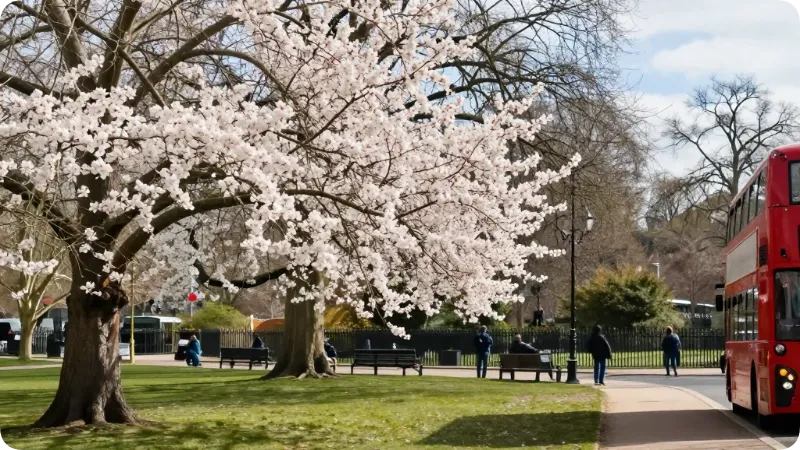
May, June, and September are widely considered the best months to visit London, offering milder weather, longer daylight hours, and slightly thinner crowds than the peak July August summer season.
| Season | Months | Weather | Crowd Level | Notes |
| Shoulder (Best) | May, June, Sept | Mild, 15 20°C | Moderate | Best value + weather balance |
| Peak | July, August | Warm, 20 25°C | High | School holidays, higher prices |
| Off-Season | Nov Feb | Cold, 5 10°C | Low | Cheapest hotels, shorter days |
| Spring | March, April | Cool, unpredictable rain | Moderate | Fewer crowds, blooming parks |
Off-season perk: December brings Christmas lights, markets, and Winter Wonderland, making it a strong choice for travelers who don’t mind cooler weather in exchange for festive atmosphere and lower hotel rates outside the Christmas week itself.
Always check current forecasts and event calendars closer to travel dates, since weather and pricing can shift year to year.
Best Way to Get Around London
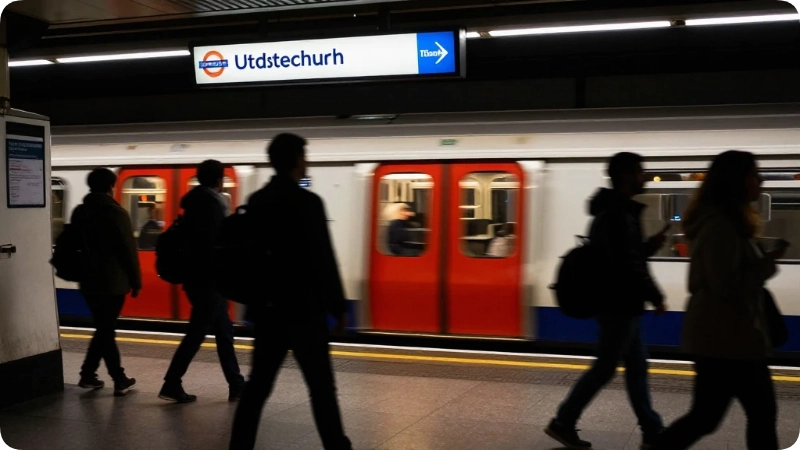
The Underground (the Tube) is the fastest and most reliable way to get around London, supplemented by buses for shorter above-ground trips and by walking to cover central neighborhoods on foot. A contactless bank card or an Oyster card both work directly on Tube gates and buses, automatically capping daily fares.
Black cabs and ride-share apps are useful late at night or with luggage, but cost significantly more than public transport for routine trips. The Heathrow Express runs directly into Paddington in about 15 minutes, making it the fastest airport transfer for those staying nearby.
Money-saving tip: Daily fare caps on contactless and Oyster cards mean unlimited Tube and bus travel automatically becomes cheaper than buying individual tickets after just a few rides.
Common Mistakes First-Time Visitors Make When Choosing Where to Stay
- Booking based on price alone: a cheap hotel far from a Tube station can cost more in time and transport than a slightly pricier central option. Fix: prioritize proximity to a well-connected Tube stop.
- Not checking which Tube zone a hotel sits in Zone 3+ hotels can add 30+ minutes each way to daily sightseeing. Fix: aim for Zone 1 or Zone 2 unless on a strict budget.
- Overlooking noise levels near nightlife districts: areas like Shoreditch or Soho can be loud into the early morning. Fix: check recent reviews specifically for noise complaints before booking.
Underrated alternatives worth considering: Marylebone (quiet, central, and less touristy than Covent Garden), Pimlico (walkable to Westminster without the crowds), and Bloomsbury (academic, calm, and close to King’s Cross for day trips).
FAQs
What is the best area to stay in London for first-time visitors?
South Kensington, Covent Garden, and Westminster are the best areas for first-timers, offering strong Tube connections, walkability to major landmarks, and a range of hotel options across most budgets. All three sit within Zone 1, minimizing daily commute time.
Where do most tourists stay in London?
Most tourists stay in Covent Garden, South Kensington, and Westminster due to their central location, proximity to attractions, and dense concentration of hotels. These areas also offer the most dining and entertainment options within walking distance.
Where should first-timers avoid staying in London?
First-timers should generally avoid isolated outer-zone areas with limited late-night transport, as well as neighborhoods far from a Tube line, since this significantly increases daily travel time. Checking a hotel’s distance to the nearest Tube station before booking helps avoid this mistake.
Is London safe to walk around at night?
Central, well-lit, high-footfall areas like the West End and South Bank are generally safe to walk at night, especially with Night Tube service running Friday and Saturday. Quieter residential streets warrant more caution, particularly for solo travelers.
What is the cheapest way to stay in London?
Booking a hostel or budget hotel in King’s Cross, Bloomsbury, or Earl’s Court, combined with booking 3 4 months in advance, offers the lowest realistic accommodation costs while staying on a major Tube line.
How many days should a first-time visitor spend in London?
Most travel experts recommend 4 5 days minimum to comfortably cover major landmarks, one or two museums, and a West End show without rushing. A full week allows for day trips to nearby destinations like Greenwich or Windsor.
What is the best walkable neighborhood for a first London trip?
Covent Garden and Westminster offer the best walkability, placing theatres, Trafalgar Square, and the Thames riverside within a 15 20 minute walk of most accommodation.
Is it better to stay near Heathrow or in central London?
Central London is better for most first-time visitors, since Heathrow-adjacent hotels save time only on arrival and departure days but add significant daily commute time for the rest of the trip. Paddington offers a good middle ground with a 15-minute Heathrow Express connection.
What is the best area to stay in London on a tight budget?
King’s Cross and Earl’s Court offer the best balance of low cost and strong Tube access, making them the most practical budget-friendly choices without sacrificing central connectivity.
Do I need to book London accommodation far in advance?
Booking 3 4 months ahead is recommended, particularly for summer (July August) and the Christmas season, when both prices rise and availability in central Zone 1 areas drops significantly.
Is South Kensington or Covent Garden better for a first visit?
South Kensington suits museum-focused, family, or quieter trips, while Covent Garden suits travelers prioritizing nightlife, theatre, and central buzz. Both are excellent Zone 1 choices with strong Tube access.
Final Takeaways
Choosing where to stay in London for a first visit comes down to three priorities: staying in or near Zone 1, picking a neighborhood close to a well-connected Tube station, and matching the area’s character (quiet vs. lively, budget vs. central) to personal travel style.
South Kensington, Covent Garden, and Westminster remain the most reliable choices for balancing convenience, safety, and access to sightseeing
London rewards visitors who plan their base carefullythe he right neighborhood turns a long list of landmarks into an easily walkable, well-connected adventure rather than a series of exhausting commutes. Compare a few options against current prices and reviews, book early, and the rest of the trip tends to fall into place.
Note: Prices, safety statistics, and transport schedules change over time; always verify current details via official sources such as Transport for London (tfl.gov.uk) and the Metropolitan Police (met.police.uk) before finalizing travel plans.

Maya Lin inspires travelers to explore the globe with absolute confidence and independence. Armed with a background in digital media and a decade of independent solo travel experience, she knows exactly how to navigate unfamiliar cities smoothly and safely. For Travelmarse, Maya curates the solo travel and hidden-gem verticals. She reviews charming boutique hotels, designs smart neighborhood walking routes, and shares practical language-learning hacks, giving readers the exact tools they need to travel solo without the stress.