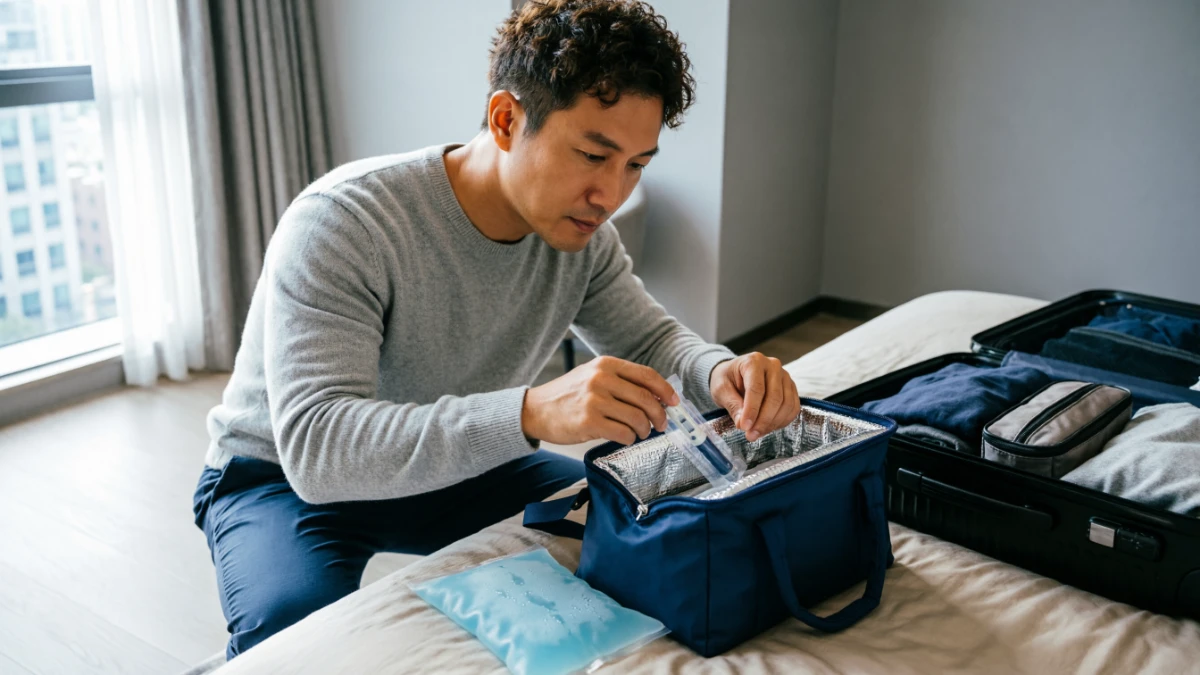
A travel cooler for medication keeps insulin, biologic, and other temperature sensitive drugs between 36°F and 46°F for hours or days using gel packs, phase change materials, or mini compressors.
The right cooler depends on trip length, climate, and if you’re flying, driving, or hiking. TSA allows medical coolers and ice packs through security with proper documentation.
Why a Travel Cooler for Medication Matters More Than You Think
Packing a suitcase is stressful enough, but when a medication needs to stay cold, one warm afternoon at the airport can ruin an entire supply. Many travelers learn this the hard way after insulin turns cloudy or a biologic injection loses potency mid trip. A reliable travel cooler for medication is the difference between a smooth vacation and a frantic search for a pharmacy in an unfamiliar city. This guide walks through the best cooler types, packing strategies, airport rules, and real world tips so your medicine stays safe from the moment you leave home until you reach your destination.
What Counts as a Travel Cooler for Medication
A travel cooler for medication is any insulated bag, hard case, or electric device built specifically to hold drugs within a safe temperature range while away from a refrigerator. Unlike a standard picnic cooler, these are designed to be compact, often TSA friendly, and built around medical grade insulation rather than ice for beer cans. Common examples include gel pack pouches for insulin pens, phase change wallets for EpiPens, and battery powered mini fridges for longer trips. Choosing the right one depends on the drug’s required range, usually printed on the prescription label or pharmacy insert.
Types of Medication Coolers and How They Work
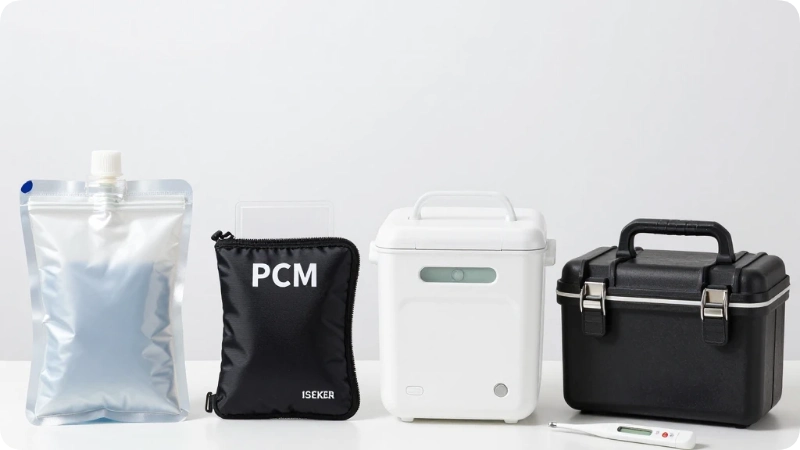
Gel Pack Insulated Pouches
These soft sided pouches use reusable gel packs that you freeze ahead of time. They’re lightweight, affordable, and ideal for day trips or short flights. Most keep contents cold for 8 to 12 hours before the packs need refreezing.
Phase Change Material (PCM) Wallets
PCM coolers use a special material that locks in a precise temperature, often near 36°F to 46°F, without needing a freezer beforehand in some designs. Brands like Frio activate with cold water and stay effective for roughly 45 hours, making them popular for international travel.
Electric or Battery Powered Mini Coolers
For multi day road trips or off grid travel, a small compressor based cooler that plugs into a car outlet or USB battery bank offers consistent refrigeration. These are bulkier but remove the guesswork of repacking ice.
Hard Shell Medical Cases
Some travelers, especially those carrying multiple vials or biologics like fertility medication, prefer rigid cases with built in thermometers. These protect against crushing in checked luggage while maintaining cold temperatures.
Best Travel Coolers by Trip Type
| Trip Type | Best Cooler Option | Typical Cold Duration |
| Day trip or commute | Gel pack pouch | 8–12 hours |
| International flight | PCM wallet (e.g., Frio) | Up to 45 hours |
| Road trip or camping | Battery/compressor cooler | Unlimited with power source |
| Cruise or multi day train | Hard shell case with gel packs | 24–48 hours |
How to Pack a Medication Cooler for Air Travel
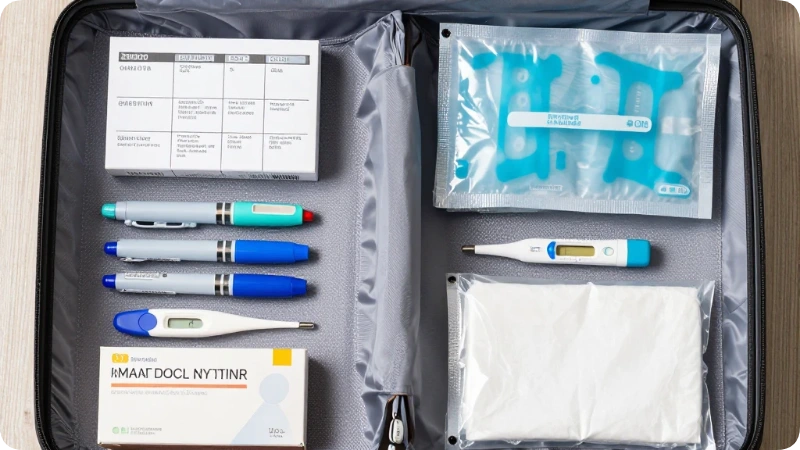
- Freeze or activate cooling elements 24 hours before departure.
- Pack medication in original, labeled packaging when possible.
- Place the cooler in your carry on, never checked luggage, since cargo holds can freeze or overheat.
- Bring a doctor’s note or prescription label for TSA screening.
- Carry slightly more medication than needed in case of delays.
- Keep a backup cooling method, like a spare gel pack, in case one fails.
TSA Rules for Medication Coolers and Ice Packs
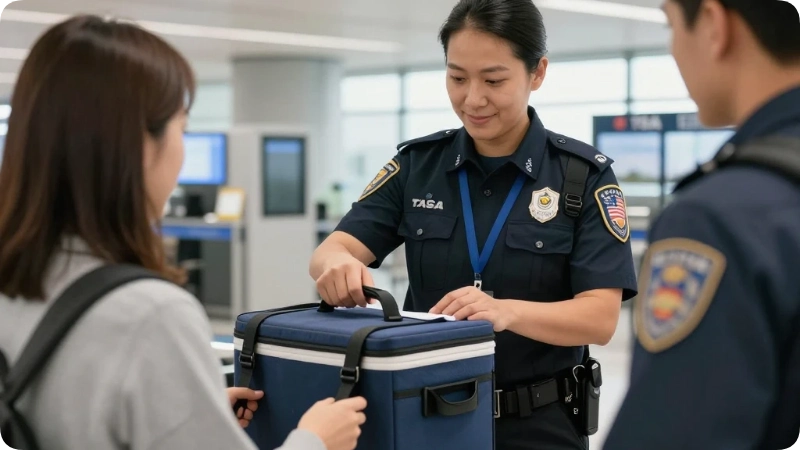
TSA permits medically necessary liquids, gels, and ice packs in carry on bags beyond the standard 3 1 1 limit, but officers may need to test them separately at the checkpoint. According to TSA guidance, travelers should declare medical items to the agent before screening begins to avoid delays. Frozen gel packs are allowed even if fully frozen, unlike regular ice, since they are considered medically necessary. Always check TSA.gov before flying, since screening procedures can change.
Choosing the Right Temperature Range for Your Medication
Most refrigerated medications, including insulin, certain antibiotics, and biologic injections, need to stay between 36°F and 46°F, while a few require strict freezing. Check the pharmacy label or manufacturer insert for exact numbers, since ranges vary by drug. A small travel thermometer placed inside the cooler is a low cost way to confirm it’s working, especially on long international flights where layovers add unpredictable hours.
Common Mistakes Travelers Make With Medication Coolers
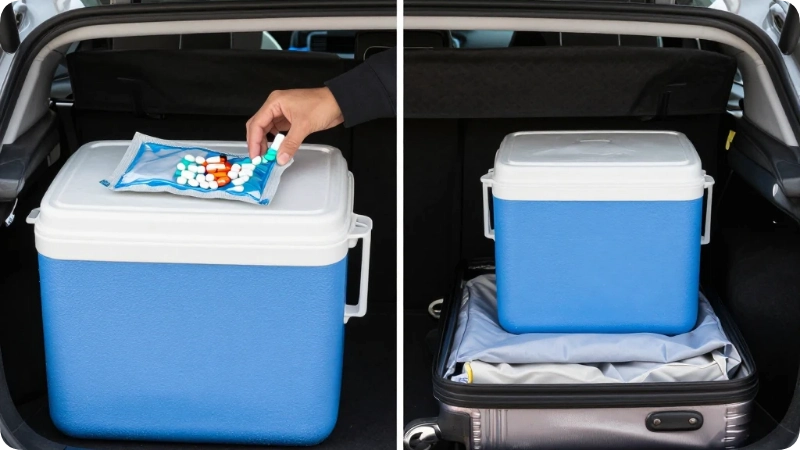
Mistake 1: Checking the cooler as luggage. Cargo holds can reach freezing temperatures or sit on hot tarmacs, ruining the cooling system. Fix: always carry it on board.
Mistake 2: Letting ice packs touch medication directly. Direct contact with frozen gel packs can accidentally freeze liquid medication. Fix: wrap a thin cloth barrier between the pack and the vial.
Mistake 3: Assuming one cooling cycle covers the whole trip. Many travelers forget that gel packs need refreezing every 8 to 12 hours. Fix: research hotel freezer access or carry a backup PCM wallet for longer travel days.
Underrated Alternatives Worth Considering
A simple insulated lunch bag with a frozen gel pack works fine for short errands, though it lacks the precision of a PCM cooler. Hotel mini fridges, when available, are a reliable backup for overnight stops, though room temperature settings vary. For frequent flyers, a USB rechargeable mini cooler is often overlooked but useful for long layovers in airport lounges with power outlets.
Insider Tips From Experienced Travelers
- Freeze gel packs flat, not bunched, so they fit snugly around vials without gaps.
- Request a refrigerator at check in at hotels; many keep a few behind the desk even without a mini fridge in the room.
- Label the cooler clearly with “medication, do not freeze” in case airline staff handle it.
- Pack a printed prescription copy, not just a phone photo, since some security lines have spotty signal for digital verification.
- Test the cooler at home first for at least 24 hours before relying on it abroad.
Hidden Gems: Lesser Known Cooling Options
A handful of pharmacies inside major airports, including some at Hartsfield Jackson Atlanta and Denver International, offer refrigerated storage lockers for travelers in a pinch, though availability varies by terminal. Some cruise lines, such as those calling at ports in Alaska’s Inside Passage, provide medical refrigeration on request through the ship’s infirmary. Travelers heading to national parks like Yellowstone, where cell service and stores are limited, should pack PCM coolers rather than relying on finding ice at remote ranger stations.
Safety Tips for Climate Extremes
Hot climates like Phoenix or Death Valley accelerate cooler failure, so park vehicles in shade and avoid leaving any cooler in a trunk for more than 30 minutes. Cold climates pose the opposite risk, where medication can accidentally freeze in unheated car compartments during winter road trips through states like Montana or Minnesota. In both cases, keeping the cooler in the passenger area rather than the trunk helps maintain a stable range.
Family and Accessibility Considerations
Parents traveling with children who need refrigerated medication, such as certain asthma or allergy treatments, should pack a slightly larger cooler with room for backup doses. Travelers with mobility limitations may prefer lightweight PCM wallets over bulkier electric coolers, since they require no charging or water access mid trip. Airlines generally allow extra carry on space for medical devices and coolers beyond standard limits, but it’s worth calling ahead to confirm with the specific carrier.
Budget Breakdown: What These Coolers Typically Cost
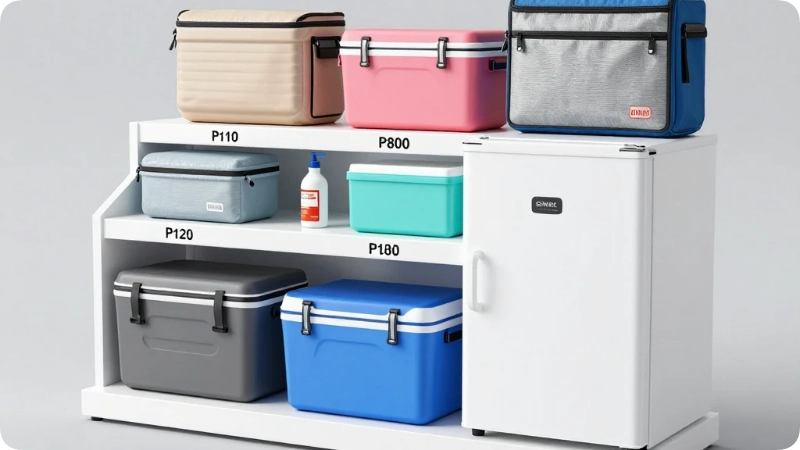
Gel pack pouches generally run on the lower end of the price spectrum and are widely available at pharmacies. PCM wallets like Frio sit in the mid range and are reusable for years with proper care. Battery powered compressor coolers cost more upfront but pay off for travelers who take frequent multi day trips. Since prices change often, check current listings on retailer or manufacturer websites before purchasing.
Is a Medication Travel Cooler Worth It?
For anyone managing insulin, biologics, or other refrigerated prescriptions, a dedicated cooler is generally worth the investment, since pharmacy replacement abroad can be costly and time consuming. Occasional travelers with short trips may get by with a simple gel pack pouch, while frequent or international travelers benefit more from a PCM or electric option. The main drawback is added luggage bulk, which is a small tradeoff against the risk of spoiled medication.
Sample Packing Itinerary for a Week Long Trip
A traveler heading out for seven days might activate a PCM wallet the night before departure, pack a week’s worth of insulin pens with a printed prescription, and carry a backup gel pack pouch in checked luggage as insurance. At the destination, they’d transfer medication to a hotel mini fridge each evening and reactivate the PCM wallet only for travel days, transit, or excursions away from refrigeration.
FAQs
Can I bring a medication cooler through TSA?
Yes, TSA allows coolers, gel packs, and ice packs for medically necessary items in carry on luggage, even when fully frozen. Travelers should declare these items at screening and carry supporting documentation like a prescription label.
How long do medication coolers stay cold?
Gel pack pouches typically last 8 to 12 hours, while phase change wallets like Frio can maintain temperature for up to 45 hours. Electric coolers stay cold indefinitely as long as they have a power source.
Should I put my medication cooler in checked luggage?
No, checked luggage compartments can freeze or overheat medication, so always keep coolers in your carry on bag where temperature stays more stable.
What temperature should insulin be kept at while traveling?
Most insulin should stay between 36°F and 46°F, though exact ranges vary by brand, so always check the pharmacy label for specifics.
Can hotel mini fridges replace a travel cooler?
Hotel mini fridges work well overnight, but they’re not a substitute for a portable cooler during transit, layovers, or day trips away from the room.
Do airlines require documentation for medical coolers?
Most airlines don’t require special documentation, but carrying a prescription label or doctor’s note speeds up airport security and customs in some countries.
What happens if my medication accidentally freezes?
Many medications, including insulin, lose effectiveness once frozen and should not be used; contact a pharmacist before administering a dose that froze.
Final Takeaways
Choosing the right travel cooler for medication comes down to matching the cooler type to your trip length, climate, and the specific temperature range your prescription requires.
Keeping coolers in carry on luggage, declaring them at TSA, and packing a backup cooling method are simple habits that prevent costly disruptions.
With the right preparation, managing refrigerated medication becomes a quiet part of the trip rather than a source of stress, leaving more room to focus on the adventure ahead.
Always verify current TSA rules, airline policies, and medication specific guidance before departure, since these details can change.

Ben Fogle believes that true adventure begins where the pavement ends. After spending years documenting extreme environments, rowing across oceans, and trekking through frozen landscapes, he mastered the art of wilderness travel. For Travelmarse, Ben constructs highly detailed guides on deep-nature packing lists, wildlife safety, and sustainable eco-tourism. He breaks down intimidating, rugged expeditions into clear, step-by-step roadmaps so everyday travelers can safely connect with the natural world.