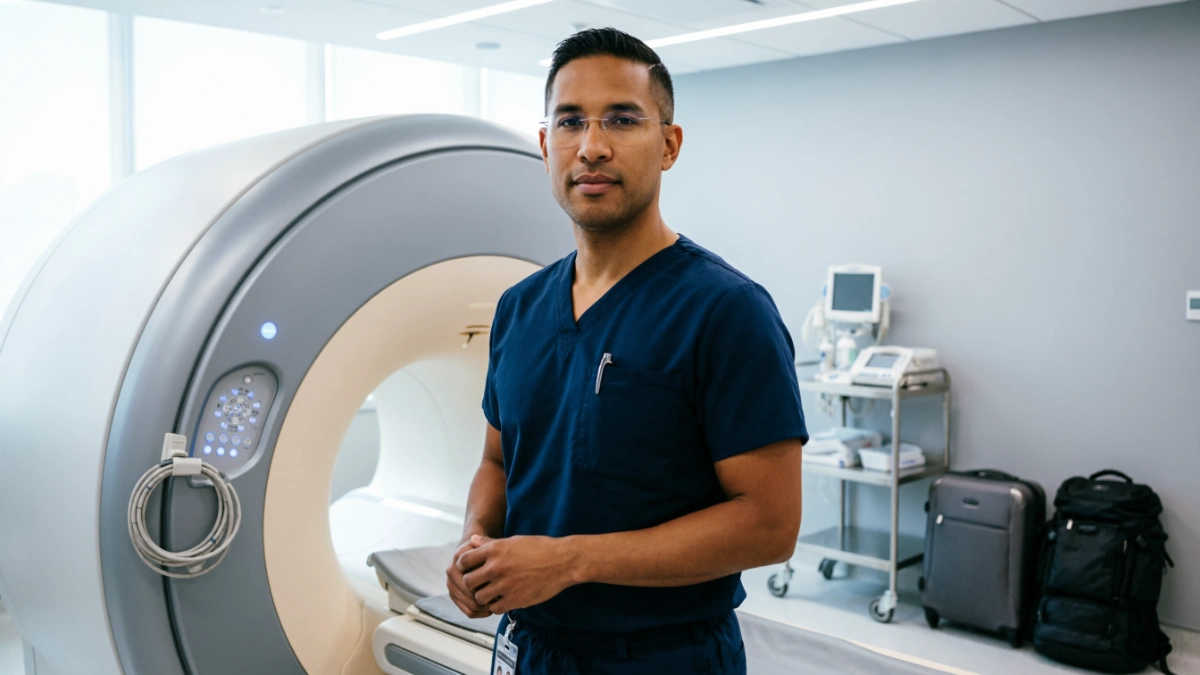
MRI tech travel jobs let licensed MRI technologists work short term contracts at hospitals and imaging centers across the country, usually for 8 13 weeks at a time.
Travellers earn a base hourly wage plus tax free stipends for housing and meals, often totalling more than a permanent staff position.
Most assignments require an active MRI certification, at least one to two years of experience, and a willingness to relocate often.
Why MRI Tech Travel Jobs Are Booming Right Now
Hospitals nationwide are short staffed in imaging departments, and MRI technologists are one of the hardest roles to fill on short notice. Staffing agencies report steady demand in 2026 across the Sun Belt, the Midwest, and rural critical access hospitals.
This shortage gives travel MRI techs strong negotiating power on pay, location, and schedule.
The appeal isn’t only financial. Many techs choose this path to see new parts of the country, build a versatile resume, and avoid the burnout that comes with staying in one department for years.
For someone weighing a career change of scenery without leaving the medical field, this is one of the more practical options available.
What an MRI Tech Travel Job Actually Involves
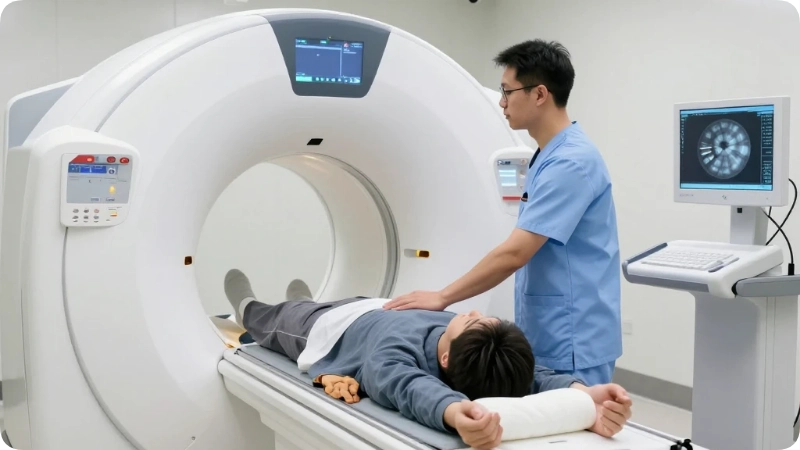
A traveling MRI technologist performs the same core duties as a staff tech operating MRI scanners, positioning patients, reviewing scan quality, and following safety protocols but does it at a new facility every few months. Contracts typically run 8 to 13 weeks, with the option to extend or move on.
You’ll work alongside a permanent staff that already knows the equipment and workflow, so the first few shifts of any assignment involve fast paced learning. Strong adaptability matters more in this role than in almost any other imaging job.
Quick Facts Table
| Category | Typical Detail |
| Contract length | 8 13 weeks (extensions common) |
| Experience required | Usually 1 2 years minimum |
| Certification | ARRT (MR) or state equivalent |
| Housing | Agency provided or stipend |
| Pay structure | Hourly wage + tax free stipends |
| Busiest hiring regions | South, Midwest, rural hospitals |
| Licensing | State license required per assignment state |
Pay ranges and stipend amounts change frequently always confirm current figures directly with a staffing agency before signing a contract.
Requirements to Become a Travel MRI Technologist
Most agencies require ARRT certification in MR (or a state recognized equivalent), an active state license in the assignment location, and one to two years of recent clinical experience. Some hospitals, especially Level I trauma centers, ask for two or more years before considering a traveler.
You’ll also need a clean background check, updated immunization records, and BLS certification. Building a strong, current resume with specific scanner models and protocols you’ve worked with (Siemens, GE, Philips) makes you far more competitive for top assignments.
How to Find and Apply for MRI Tech Travel Jobs

Finding strong assignments starts with working with reputable staffing agencies that specialize in imaging and radiology, not generalist healthcare staffing firms. Compare at least two or three agencies before committing, since pay packages and support can vary widely for the same job.
- Get your ARRT (MR) certification and state licenses in order first.
- Research agencies that specialize in radiology/imaging travel staffing.
- Submit your resume and complete a phone screen with a recruiter.
- Review job boards together and shortlist 3 5 locations.
- Negotiate the full pay package, not just hourly rate.
- Confirm housing, license reimbursement, and travel reimbursement details in writing.
- Sign the contract and begin onboarding/compliance paperwork.
Understanding Your Pay Package (Not Just the Hourly Rate)

A travel MRI tech’s real compensation comes from the full package: taxable hourly wage, non taxable housing stipend, meal stipend, and sometimes travel reimbursement. Comparing two contracts by hourly rate alone is one of the most common mistakes new travelers make.
Always ask for the full breakdown in writing before signing, and request a “blended rate” estimate so you can compare offers fairly. Stipend amounts are based on IRS guidelines tied to the assignment’s location, so they shift by city and county.
Where MRI Tech Travel Jobs Are Most In Demand
Rural and critical access hospitals in states like Texas, Florida, the Carolinas, and parts of the Midwest consistently post higher need MRI travel roles, often with faster start dates. Larger metro hospital systems also hire travelers but tend to have more competition for spots.
Smaller towns frequently offer higher stipends relative to cost of living, which can stretch your take home pay further. If flexibility on location is on the table, rural assignments are often the fastest way to start traveling sooner.
Choosing Housing While on Assignment

Travelers typically choose between agency furnished housing or taking the housing stipend and finding their own short term rental. Furnished housing is convenient but offers less control over location and amenities; the stipend route gives more freedom but requires your own research.
Short term rental platforms, extended stay hotels, and traveling healthcare housing Facebook groups are common resources other travelers use to find safe, reasonably priced options near the hospital.
Licensing Across State Lines
Each assignment state requires its own active license, and processing times vary widely some states issue licenses in days, others take weeks. The Nurse Licensure Compact doesn’t apply to MRI techs, so plan licensing timelines carefully around your contract start date.
Many staffing agencies will reimburse license fees or help expedite paperwork, so confirm this benefit before accepting an offer. Building licenses in a few “go to” states in advance can shorten the wait between contracts significantly.
Packing Advice for a Multi Month Assignment
Pack for a season, not a vacation: comfortable closed toe shoes for long shifts, scrubs in your facility’s required colors, a compact first aid kit, and chargers/adapters if you’re crossing climate zones. Many travelers keep a “go bag” ready year round to make turnaround between contracts faster.
Don’t overpack furniture or bulky items if housing is short term a few storage bins and a fold flat laundry bag go further than a full moving truck.
Common Mistakes New Travel MRI Techs Make
Mistake 1: Comparing hourly pay only, missing stipend differences. Fix: Always ask for a blended rate comparison.
Mistake 2: Waiting to start state licensing until after signing a contract. Fix: Begin licensing in target states early.
Mistake 3: Skipping the agency’s reputation check. Fix: Search recent traveler reviews and ask for current traveler references.
Insider Tips From Experienced Travel Techs
- Ask recruiters for the facility’s scanner brand and protocols before accepting this affects your learning curve.
- Negotiate a guaranteed hours clause so low census weeks don’t cut your pay.
- Keep a digital folder of all certifications, titers, and licenses for instant submission to new agencies.
- Build relationships with two or three recruiters, not just one, for steadier assignment flow.
- Ask current staff about float pool expectations on day one some assignments expect cross training.
Hidden Gems: Underrated Assignment Locations

Rural critical access hospitals in the Mountain West and parts of Appalachia often go overlooked because they’re not flashy cities, yet they tend to offer strong stipends, lighter patient loads, and easier parking and commutes than big city systems. Smaller imaging departments in college towns across the Midwest are another underrated option, often pairing reasonable cost of living with a friendly, low turnover staff culture.
Is Becoming a Travel MRI Tech Worth It?
For most licensed MRI technologists with at least a year of experience, travel work is worth it financially and for career variety, though it isn’t ideal for everyone. It suits people comfortable with frequent moves, fast onboarding, and some schedule unpredictability between contracts.
Best for: experienced techs seeking higher pay, flexibility, and new clinical environments. Better to avoid for: newer grads still building core skills, or anyone needing a highly stable, predictable routine.
Alternatives to Full Time Travel Contracts
If full relocation every few months feels like too much, local or regional “travel lite” contracts within driving distance of home are a growing alternative. PRN (per diem) work at nearby facilities is another option that offers schedule flexibility without the moving logistics.
How Long Should You Plan to Travel?
Most techs try travel work for one to two contracts (roughly 4 6 months) before deciding If to continue long term. This trial period is usually enough to judge If the lifestyle, pay, and pace fit your goals before committing further.
Safety and Compliance Tips
Always confirm your malpractice/liability coverage details with your agency before your first shift, and keep copies of every credential accessible digitally. Facilities expect travelers to complete compliance modules quickly, so build in a buffer day or two before your contract start date for onboarding paperwork.
FAQs
What certification do I need for MRI tech travel jobs?
Most agencies require active ARRT (MR) certification or your state’s equivalent, plus a current BLS card. Some assignments also prefer additional certifications like CT, depending on the facility’s needs.
How much experience do I need before traveling?
Most staffing agencies want at least one to two years of recent, hands on MRI experience. A few specialty or trauma center assignments may ask for closer to three years.
Do travel MRI techs get housing provided?
Yes, typically either through agency arranged furnished housing or a tax free stipend you use to find your own short term rental. The choice is usually yours to make for each contract.
Can I choose where I travel for assignments?
You can express location preferences, but availability depends on current hospital needs. Being flexible on a few backup regions usually speeds up placement.
How is pay structured for travel MRI techs?
Pay combines a taxable hourly wage with non taxable stipends for housing and meals, calculated using IRS guidelines for the assignment location. Always request the full blended rate breakdown before comparing offers.
Is travel MRI tech work stable long term?
It can be, since many travelers move from contract to contract for years, but there can be short gaps between assignments. Building relationships with multiple recruiters helps keep work steady.
What’s the biggest challenge of travel MRI tech work?
Adjusting quickly to a new facility’s equipment, workflow, and team within the first few shifts is usually the steepest part of each new contract. Strong baseline experience makes this transition much smoother.
Final Takeaways
Travel MRI tech jobs offer strong pay potential, career variety, and the chance to work in new communities every few months but they reward preparation.
Get your licensing and certifications lined up early, compare full pay packages rather than hourly rates alone, and choose agencies with verified, current traveler reviews.
If steady scenery changes and a flexible medical career sound appealing, this path is worth a serious look just go in with your paperwork, expectations, and recruiter relationships ready.

Maya Lin inspires travelers to explore the globe with absolute confidence and independence. Armed with a background in digital media and a decade of independent solo travel experience, she knows exactly how to navigate unfamiliar cities smoothly and safely. For Travelmarse, Maya curates the solo travel and hidden-gem verticals. She reviews charming boutique hotels, designs smart neighborhood walking routes, and shares practical language-learning hacks, giving readers the exact tools they need to travel solo without the stress.