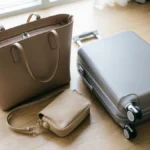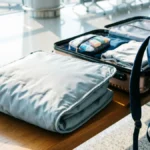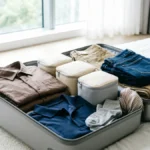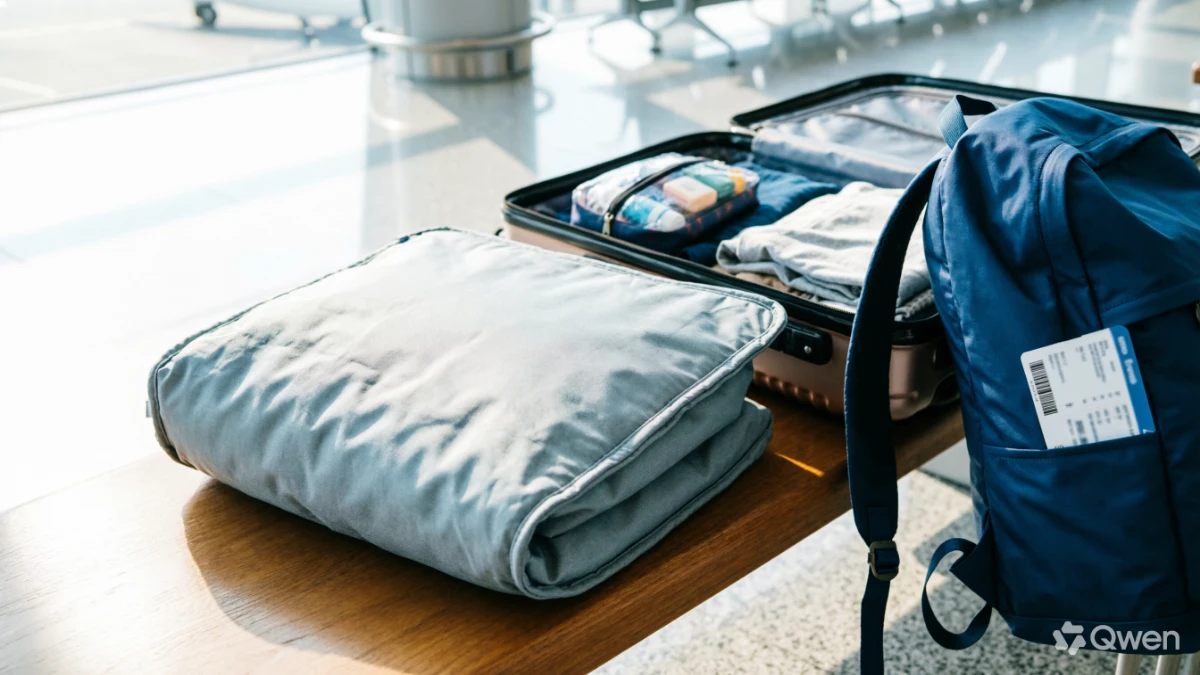
Dragging a bulky hard cooler through an airport, a road trip, or a small apartment kitchen gets old fast. A collapsible cooler for travel solves a real problem: it holds ice and food like a regular cooler, then folds flat into a backpack, car trunk, or suitcase pocket when you’re done.
This guide covers the best collapsible coolers for travel, real prices, TSA and airline rules for flying with one, common buying mistakes, and answers to nearly every question travelers ask before they buy or pack one. If you’re headed to a beach, a stadium tailgate, or a family road trip, you’ll find a clear answer here.
Featured Snippet:
The best collapsible cooler for travel is a soft-sided, foldable insulated bag that shrinks flat when empty and expands to hold ice, drinks, or food. Top picks include YETI Hopper, RTIC Soft Pack, and Coleman Soft Coolers, which keep ice cold for 12–24 hours and fit airline carry-on limits when packed lightly.
Quick Facts Table
| Feature | Typical Range |
| Folded size | 2–5 inches thick |
| Expanded capacity | 20–36 cans / 15–30 liters |
| Ice retention | 12–24 hours (soft), up to 3 days (insulated hard-shell hybrids) |
| Price range | $20–$130 |
| Best for | Flights, road trips, beach days, tailgates, daily commutes |
| Airline rule | Allowed as carry-on or checked bag; contents (ice, liquids) follow TSA rules. |
What Is a Collapsible Cooler for Travel?
A collapsible cooler for travel is an insulated, soft-sided bag built with a foldable frame or no rigid frame at all, so it flattens down when it’s empty. It uses closed-cell foam or heat-sealed insulation instead of hard plastic walls, which cuts weight and packed size dramatically.
Unlike hard coolers, these are designed to be carried, not just stored in a car. Many fold into a shape barely thicker than a stack of towels, which is exactly why travelers search for them instead of a standard cooler.
What Is the Best Collapsible Cooler for Travel?
The best collapsible coolers for travel balance three things: ice retention, packed size, and durability of the zipper and seams, since those are the parts that fail first on soft coolers.
- YETI Hopper – strong ice retention, rugged fabric, higher price point
- RTIC Soft Pack – similar performance to YETI at a lower cost
- Coleman Soft Cooler – budget-friendly, lighter duty, good for short trips
- Igloo Collapsible Cooler – true fold-flat design, best for storage-limited travel
- Arctic Zone Titan Series – strong for daily commuting and school/work lunches
Worth it? Yes, if you travel more than a few times a year or lack storage space at home. Skip it if you only need a cooler once for a single event renting or borrowing makes more sense there.
What Is the Best Cooler for Traveling?
The “best cooler for traveling” depends on the trip type, not just one winner. For flights and daily carry, a collapsible soft cooler wins on space and weight. For multi-day camping or fishing trips where ice needs to last 3+ days, a hard-shell cooler still performs better.
Quick decision guide:
- Flying or tight luggage space → collapsible soft cooler
- 3+ days off-grid, heavy ice needs → hard-shell cooler
- Daily commute, office lunch, gym → small soft cooler bag
- Tailgates and beach days → mid-size collapsible cooler with backpack straps
Collapsible Cooler for Travel: Price
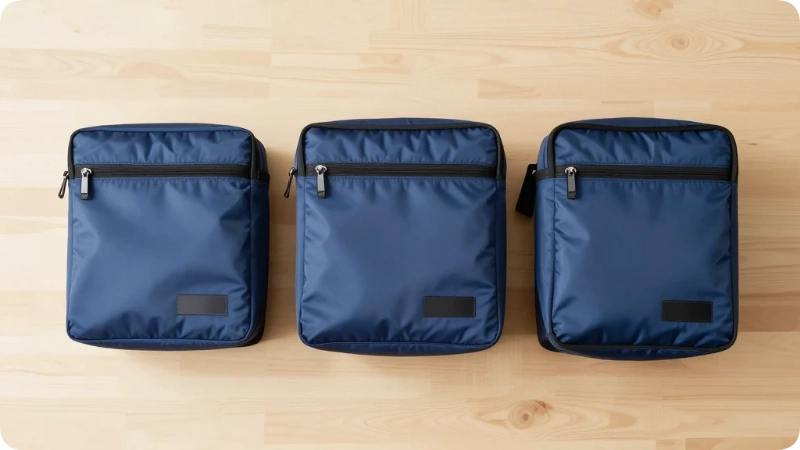
Most collapsible travel coolers fall between $20 and $130 in the US market. Basic 20-can soft coolers start around $20–$35. Mid-range 24–30 can models with better zippers and insulation run $45–$80. Premium brands like YETI push toward $100–$130 for their largest soft coolers.
Price generally tracks two things: fabric durability (ripstop nylon lasts longer than basic polyester) and seam welding quality, which determines how long the cooler actually holds ice before leaking cold air.
Collapsible Cooler for Travel in Pakistan
Collapsible travel coolers are less commonly stocked in local Pakistani electronics or luggage markets compared to the US, but they are widely available through online marketplaces like Daraz, with imported models (Coleman, Igloo-style folding coolers) typically priced higher than in the US due to import duties, often converting to a noticeably higher local price for the same US-market model.
If you’re buying in Pakistan, check seller ratings closely, confirm the insulation type (foam vs. gel-lined), and compare against local outdoor/camping stores, since imported stock and warranty support can vary by seller. Prices and availability change often, so always verify current listings before purchasing.
What Kind of Cooler Can I Take on a Plane?
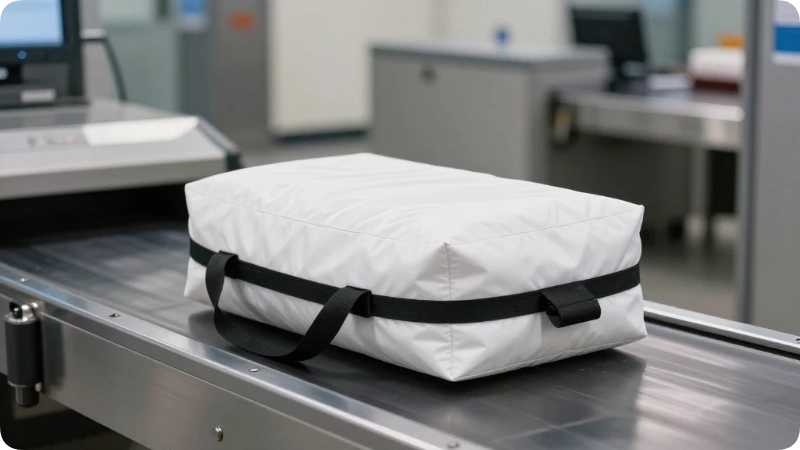
Both soft collapsible coolers and hard coolers are allowed on planes as either carry-on or checked baggage. The TSA does not regulate the type, size, or weight of the cooler itself ur airline’s standard baggage size and weight rules apply instead.
Soft-sided coolers work best for carry-on because they flex into tight overhead bin or under-seat spaces and are easy to open for screening, while hard coolers are more predictable for checked baggage, especially with fragile or bulk items.
Are Cooler Bags Allowed on Planes? / Can We Carry a Cooler in Flight?
Yes. TSA allows cooler bags in both carry-on and checked luggage on U.S. flights, though officers make the final screening call at the checkpoint. The cooler itself isn’t restricted; what’s inside it- liquids, gels is what gets checked.
Note: Airline staff can still ask you to gate-check an oversized cooler if the cabin is full, so keep a strap or handle ready in case that happens.
Can I Bring a Cooler as Checked Luggage on a Plane? / How Big of a Cooler Can You Check on an Airplane?
Yes, coolers can be checked like standard luggage. On many airlines, a checked cooler counts as a standard checked bag, subject to a maximum size of around 62 linear inches and weight limits of 50–70 lbs depending on ticket type. Hard-sided plastic coolers are generally accepted, but standalone Styrofoam coolers usually cannot be checked unless boxed in sturdy cardboard.
How Big of a Cooler Can You Bring on a Plane? (Carry-On Limits)
Airline carry-on size limits vary. Delta and American allow roughly 22 x 14 x 9 inches, while Southwest allows up to 10 x 16 x 24 inches for one carry-on bag. A collapsible cooler has an advantage here: soft, foldable sides let it compress to fit these dimensions even when it wouldn’t fit as a rigid box of the same volume.
Can You Take a Cooler Through Airport Security?
Yes, coolers pass through the standard X-ray screening lane like any other bag. Drain any standing water before screening, since even a small amount of melted ice at the bottom can trigger extra checks. If you’re carrying dry ice, keep the paperwork or airline approval note handy in case an agent asks.
Why Is Ice Not Allowed on Planes? (It’s Actually About Melting, Not Ice Itself)
Ice isn’t banned outright; the rule is about its state at screening. Ice and ice packs are allowed through security in a carry-on as long as they are completely frozen when screened; once they start to melt, they’re treated as a liquid under the 3-1-1 rule. That’s the actual reason people get stopped: slushy ice, not solid ice.
What Kind of Food Can I Not Bring on a Plane?
Most solid foods are fine in a carry-on cooler, but liquid and gel-like foods (sauces, yogurt, soups, spreadable dips) over 3.4 ounces must follow the same TSA liquids rule as toiletries. In checked baggage, quantity restrictions are far more relaxed, so pack sauces, marinades, or liquid-heavy meals in checked coolers instead of carry-on.
What Is the Best Small Soft Cooler for Travel and Daily Use?
For daily use office lunches, gym snacks, short errands, a 10–15 can soft cooler is the sweet spot. Look for a wipe-clean interior lining, a top handle plus shoulder strap, and a zipper rated for daily open-close cycles, since that’s the first part to fail on cheaper daily-use coolers.
What Is the Best Cooler Bag for Air Travel?
A soft cooler with a flat bottom, strong zipper, and wipe-clean liner is the best choice for air travel, since it can double as a personal item and slide under the seat. Avoid bags with rigid internal frames; they don’t compress enough to help you avoid a gate check.
What Is the Best Foldable Travel Cooler?
The best true fold-flat coolers use a soft internal frame (not rigid plastic) so they collapse to just a few inches thick when empty. Igloo’s collapsible line and similar fold-flat designs from Arctic Zone are built specifically for this, prioritizing packed-flat size over multi-day ice retention.
Top Cooler Brands: No. 1, Top 3, Top 5, and 10 Best
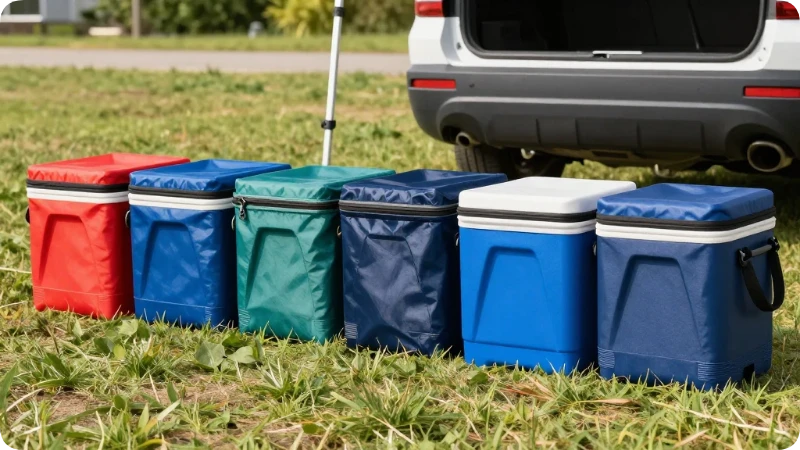
There’s no single universally agreed “No. 1” cooler brand; rankings shift by category. For durability and ice retention, YETI consistently ranks at the top. RTIC and Coleman offer excellent value, while Igloo and Arctic Zone stand out for true collapsibility.
A reasonable top 5 for travel use: YETI, RTIC, Coleman, Igloo, Arctic Zone. Beyond that, brands like Pelican, Stanley, and Ozark Trail round out a broader top 10, mostly for hard-cooler categories rather than collapsible ones.
Where Can I Buy a Cheap Cooler? / What Is a Good Cheap Cooler?
Cheap, reliable collapsible coolers ($20–$35) are widely available at Walmart, Target, Dick’s Sporting Goods, and Amazon. A good cheap cooler still needs a leak-proof liner and a working zipper; those two things matter more than brand name at the low end of the price range.
Common Mistakes to Avoid
- Buying based on folded size only: super-thin folded cooler often trades away ice retention. Check both numbers.
- Ignoring the zipper quality: most soft cooler failures are zipper failures, not fabric tears.
- Packing loose ice in carry-on: it almost always partially melts before screening and gets flagged. Use gel packs frozen solid instead.
Underrated Alternatives
- Rigid foam collapsible hybrids hold flatter than soft coolers but insulate slightly better than pure fabric models.
- Insulated backpack coolers better for hands-free carrying on hikes or long airport walks than handle-only designs.
- Reusable ice packs instead of loose ice solve the melting-at-security problem entirely.
Packing Advice
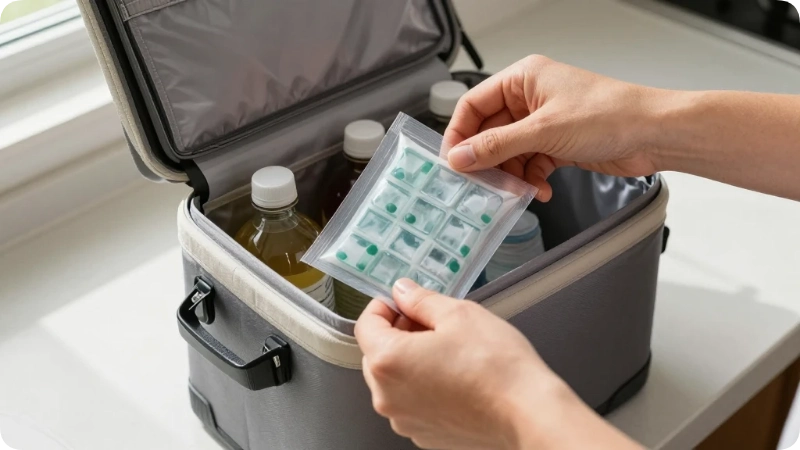
Freeze gel packs completely solid at least 24 hours before travel. Pack the cooler with the least-used items at the bottom and drinks/snacks near the top. Drain any condensation before you reach the security line, especially for carry-on coolers.
Sample Travel Scenario: Flying With a Collapsible Cooler
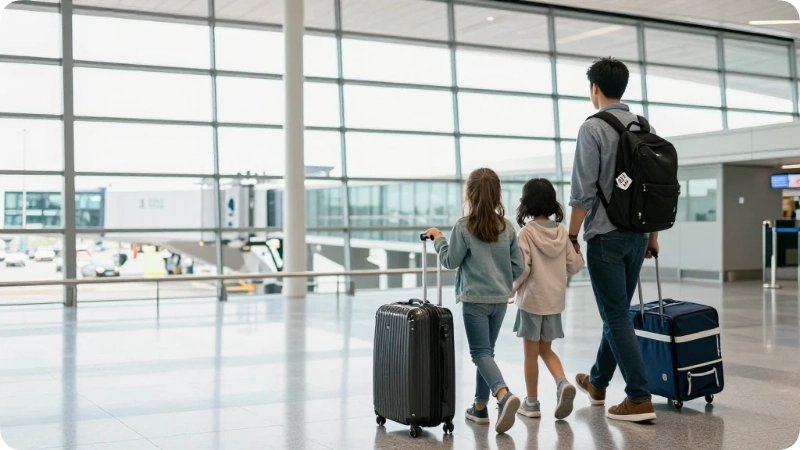
A family flying from Chicago to Orlando packs a 24-can collapsible cooler as a checked bag, using frozen gel packs instead of loose ice, and folds it flat inside their suitcase for the flight home, avoiding both TSA liquid issues and extra bag fees for a second checked item.
Related Questions:
A few searches around this topic are actually about electric room air coolers (evaporative coolers), not travel coolers. Since they keep showing up in related searches, here are short, honest answers so you’re not left without one; they’re a separate product category from the cooler bags covered above.
What Is the Best Mini Air Cooler Price in Pakistan?
Mini air coolers in Pakistan typically range from budget models to mid-range units, with pricing varying widely by brand, tank size, and cooling capacity. Check current listings on Daraz or local electronics retailers, since prices shift often.
Which Compact Air Cooler Is the Best?
The best compact air coolers balance tank size, airflow (measured in CFM), and noise level. Larger tanks mean less frequent refilling but a bigger footprint, so match the size to your room, not just the price tag.
Which Cooler Gives Cooling Like AC?
No air cooler cools exactly like an AC unit, since coolers work through evaporation and depend on ambient humidity, while AC units actively remove heat and humidity from the air. In dry climates, a good air cooler comes close; in humid climates, the gap is much larger.
Do Mini Air Coolers Really Work?
Yes, but with limits: they work best in hot, dry conditions and in smaller, well-ventilated rooms. In humid weather, evaporative cooling is far less effective, so expect a noticeable temperature drop rather than AC-level cooling.
Is Cooler Better Than AC?
Neither is universally “better..Air coolers cost less to buy and run, but perform worse in humidity and only cool moderately. AC units cost more but cool more reliably regardless of climate. The right choice depends on your local climate and budget.
What Is the Disadvantage of an Air Cooler?
The main drawbacks are reduced effectiveness in humid weather, the need for regular water refilling, and added room humidity as a byproduct, which can feel uncomfortable rather than refreshing in already-humid conditions.
What Can I Use to Cool My Room Without AC?
Options include evaporative air coolers, ceiling or box fans combined with ice or cold water trays, cross-ventilation using windows on opposite walls, and blackout curtains to block heat-generating sunlight during the day.
Why Not Wear Jeans on a Plane?
This is unrelated to coolers, but since it’s a common travel search: jeans are a personal comfort and safety consideration for flights, not a cooler-related rule. Many travelers prefer breathable, flexible fabrics for long flights, and denim can be less comfortable during extended sitting or in case of a rapid evacuation where flexible clothing helps more.
FAQs
What is the best collapsible cooler for travel?
The best collapsible coolers for travel are soft-sided models like YETI Hopper, RTIC Soft Pack, and Coleman Soft Cooler, which fold flat when empty and keep ice cold for roughly 12–24 hours, making them ideal for flights, road trips, and beach days.
What is the best cooler for traveling overall?
For traveling, a collapsible soft cooler wins on packed size and weight for flights or tight luggage space, while a hard-shell cooler is better suited to multi-day trips needing 3+ days of ice retention, such as camping or fishing.
Can you take a cooler through airport security?
Yes, coolers go through standard X-ray screening like any other bag. Drain any melted ice water before you reach the checkpoint, since standing water at the bottom of a cooler is a common reason for additional screening.
Are cooler bags allowed on planes?
Yes, TSA allows cooler bags as both carry-on and checked baggage. The cooler itself isn’t restricted, but its contents, particularly liquids and partially melted ice, must follow standard TSA rules.
How big of a cooler can you bring on a plane?
Carry-on cooler size depends on your airline’s carry-on limits, generally around 22 x 14 x 9 inches for major US carriers, while checked coolers typically must stay under about 62 linear inches total and within standard weight limits.
Why is ice not allowed on planes?
Ice is allowed if it’s frozen completely solid at screening; the restriction only applies once it starts melting, at which point it’s treated as a liquid under the TSA 3-1-1 rule.
What is the best foldable travel cooler for daily use?
For daily use, a 10–15 can soft cooler with a wipe-clean liner, sturdy zipper, and a shoulder strap is the most practical foldable option, since it balances portability with everyday durability.
What is a good cheap collapsible cooler?
A good cheap collapsible cooler in the $20–$35 range should still have a leak-proof liner and a reliable zipper; those two features matter more for daily reliability than brand name at this price point.
Do collapsible coolers keep ice as long as hard coolers?
No, collapsible soft coolers typically hold ice for 12–24 hours, while hard-shell coolers can keep ice frozen for 2–7 days depending on quality, so choose based on trip length rather than portability alone.
Can you check an empty collapsible cooler as luggage?
Yes, an empty collapsible cooler can be checked as luggage, and since it folds flat, some travelers pack it empty inside a suitcase rather than checking it separately, saving a checked-bag fee.
Is a collapsible cooler worth buying for a one-time trip?
Not usually for a single event or trip, renting or borrowing a cooler often costs less than buying one, and a collapsible cooler earns its value with 3+ uses per year.
What’s overrated in collapsible coolers, and what’s underrated?
Extremely thin folded profiles are often overrated, since they usually sacrifice insulation thickness. Zipper quality and seam welding are underrated, even though they’re the most common failure points on soft coolers.
Conclusion
A collapsible cooler for travel earns its place in your luggage by solving one specific problem: keeping food and drinks cold without taking up permanent space when you’re not using it. The right pick comes down to matching ice-retention needs to your trip length, checking your airline’s specific size limits, and choosing zipper and seam quality over the thinnest folded profile.
Before your next trip, double-check your airline’s current carry-on and checked-bag size limits and TSA’s latest liquids and ice-pack guidance directly on tsa.gov, since these details are updated periodically.
Pack it flat, freeze your gel packs solid the night before, and you’re ready for whatever the trip throws at you, one cold drink at a time.

Maya Lin inspires travelers to explore the globe with absolute confidence and independence. Armed with a background in digital media and a decade of independent solo travel experience, she knows exactly how to navigate unfamiliar cities smoothly and safely. For Travelmarse, Maya curates the solo travel and hidden-gem verticals. She reviews charming boutique hotels, designs smart neighborhood walking routes, and shares practical language-learning hacks, giving readers the exact tools they need to travel solo without the stress.