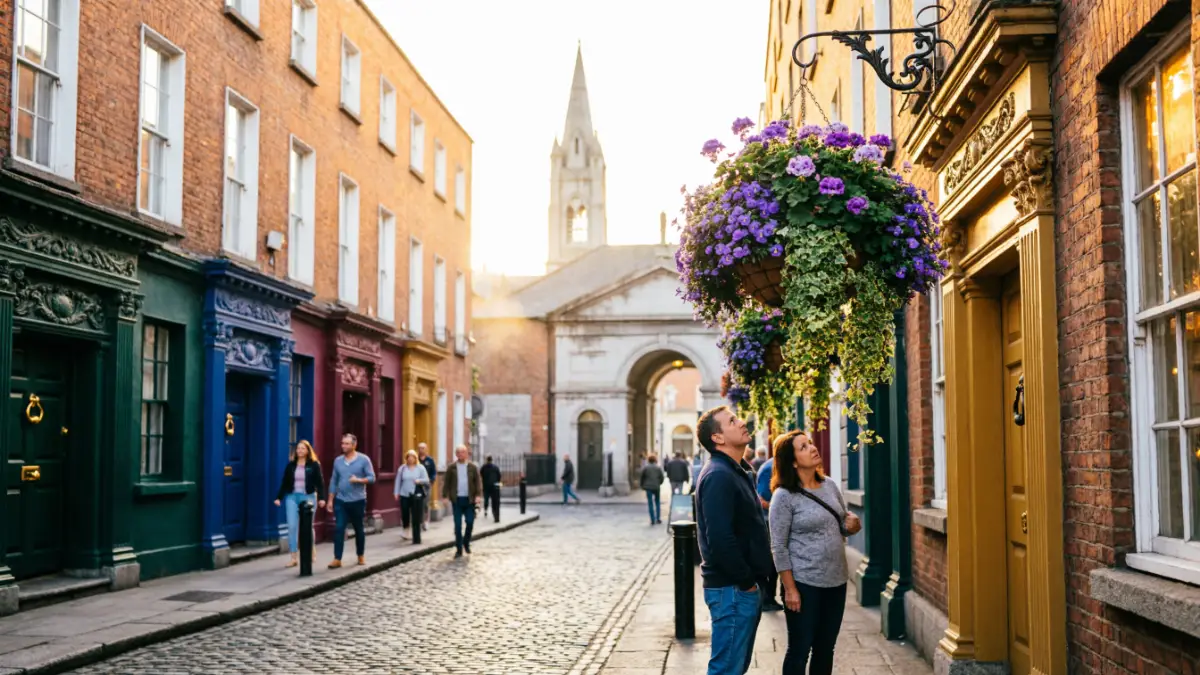
Picking where to stay in Dublin can make or break a trip. Book the wrong street and a short visit turns into long bus rides and tired feet. Book the right one, and Dublin’s pubs, museums, and cobblestone lanes are right outside the door.
This guide breaks down where to stay in Dublin by traveller type, trip length, and budget, using real neighbourhood details rather than generic hotel lists. Every section stands on its own, so readers can jump straight to what matters: first timers, couples, one night layovers, or which areas are genuinely worth skipping.
Dublin is compact enough that most visitors can walk between top sights, which makes the choice of neighborhood less about distance and more about atmosphere, noise level, and budget. Below, each area is compared honestly, including drawbacks locals rarely mention in typical “best hotels” roundups.
Featured Snippet:
Where should you stay in Dublin? The best area depends on your travel style. Temple Bar is ideal for nightlife, Trinity College & Grafton Street suit first time visitors, St. Stephen’s Green is perfect for couples, Smithfield offers better value, and Docklands is best for business travelers. Dublin is compact, making most top attractions easy to reach on foot.
Quick Answer:
The city centre (Trinity College, Grafton Street, Temple Bar area) is the best base for most first time visitors to Dublin because it puts major sights, restaurants, and transport links within easy walking distance. Couples and those wanting quieter nights often prefer Ballsbridge or Portobello, while budget travelers do best near Smithfield or the Docklands.
Quick Facts Table
Dublin’s accommodation scene splits into a handful of clear zones, each suited to a different kind of trip. Use this table for a fast overview before diving into the detailed sections below.
| Area | Best For | Vibe | Distance to City Centre |
| City Centre (Trinity/Grafton St) | First timers, short stays | Busy, central, touristy | 0 minutes (you’re in it) |
| Temple Bar | Nightlife, groups | Loud, lively, pub heavy | 0 10 min walk |
| Docklands | Business travel, families | Modern, riverside | 10 15 min walk |
| Ballsbridge | Couples, quiet luxury | Leafy, embassy district | 15 20 min bus/tram |
| Portobello/Rathmines | Local feel, foodies | Canal side, café culture | 15 25 min walk |
| Smithfield/Stoneybatter | Budget, hip travelers | Bohemian, up and coming | 10 15 min walk |
| The Liberties | History buffs, character | Historic, gentrifying | 10 15 min walk |
Prices, hotel names, and transport fares change often always confirm current rates directly with hotels, Dublin Bus, Aircoach, or Airlink before booking.
What Is the Best Area of Dublin to Stay In?
The city centre, roughly bordered by Trinity College, St. Stephen’s Green, and Temple Bar, is generally considered the best area of Dublin to stay in. It puts the Book of Kells, Grafton Street shopping, Dublin Castle, and the pub scene within a 10 to 15 minute walk of most hotels.
This area works especially well because Dublin’s public transport hubs (Luas tram stops, Dublin Bus routes, and DART rail connections) converge here, making day trips to places like Howth or Dún Laoghaire simple without a car.
The tradeoff is noise and price. Weekend nights near Temple Bar and Grafton Street can be loud until the early hours, and room rates run higher than in residential neighborhoods just a short bus ride away.
Bottom line: If it’s your first visit or you’re staying only a few nights, prioritize being central over saving a little money farther out.
Where to Stay in Dublin for First Timers
First time visitors should stay within walking distance of Trinity College, Grafton Street, and Dublin Castle, since this puts nearly every major landmark inside a 20 minute walk and cuts down on public transport guesswork right after landing.
The area around O’Connell Street and the Northside city centre is also solid for first timers, offering easy access to the General Post Office, the Spire monument, and the Luas Red Line, though it can feel a bit rougher after dark than the Southside core.
Insider tip: Book a hotel within a five minute walk of a Luas stop. Even confident walkers appreciate a quick tram ride back after a long day of sightseeing or an evening at the pub.
Common first timer mistake: Choosing a hotel purely on price without checking the walk time to Trinity College or O’Connell Street. A room that’s €30 cheaper can cost an extra hour of walking or bus transfers each day.
Where to Stay in Dublin City Centre
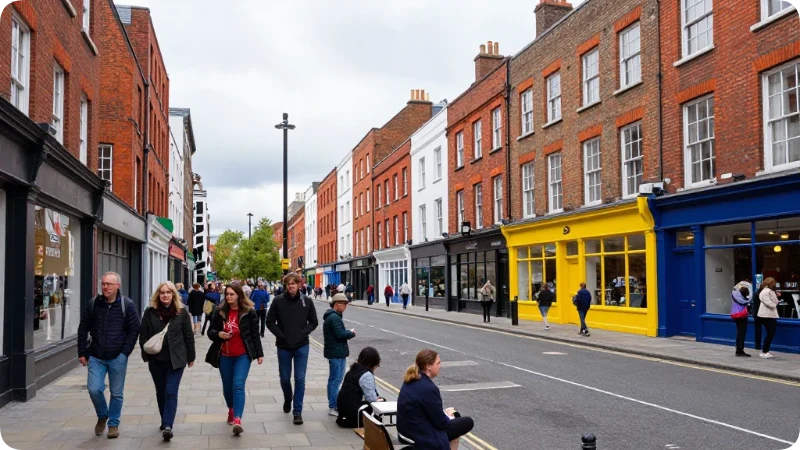
Dublin city centre covers the Southside core around Trinity College, Grafton Street, and Temple Bar, plus the Northside around O’Connell Street. Staying here means most attractions, restaurants, and nightlife are reachable on foot, with no need to plan transport for daytime sightseeing.
Grafton Street and Trinity College are the most walkable sub areas, packed with boutique shops, cafés, and the Little Museum of Dublin. Temple Bar sits just beside them and is the liveliest strip for traditional music pubs, though it’s also the loudest and most tourist priced.
O’Connell Street, on the Northside, is Dublin’s widest street and home to the GPO museum covering the 1916 Easter Rising. It’s well connected and generally good value, but travelers should stay alert at night, as with any busy city center.
Who should avoid it: Light sleepers and anyone traveling with young children may prefer a quieter option like Ballsbridge or Portobello instead, since weekend nights in the core can run loud until 2 or 3 a.m.
Where to Stay in Dublin for Couples
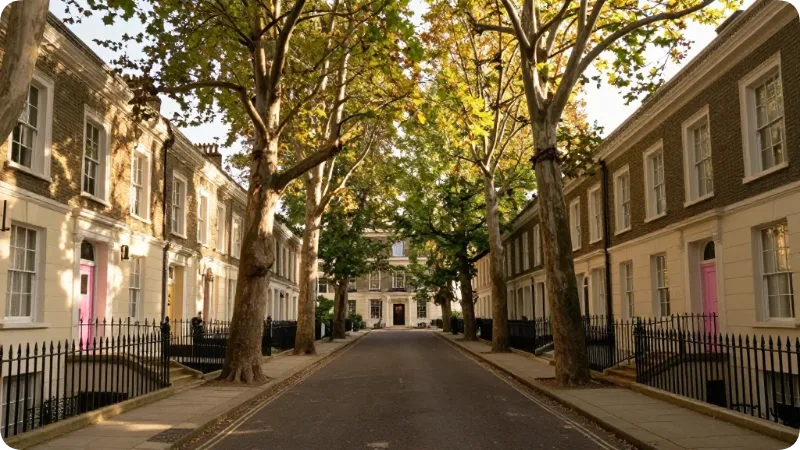
Couples often do best in Ballsbridge, Portobello, or the Georgian streets around Merrion Square, where tree lined avenues, boutique guesthouses, and canal side walks create a calmer, more romantic setting than the busy tourist core.
Ballsbridge, a leafy embassy district about a 10 to 15 minute bus ride from the center, offers upscale hotels, quiet evenings, and easy access to the Aviva Stadium area for those catching a match or concert.
Portobello, along the Grand Canal, has a strong café and restaurant scene with a genuinely local feel, plus canal side benches that make for a nice evening stroll after dinner.
Good to know: Couples who still want nightlife within walking distance can split the difference by staying near St. Stephen’s Green, which borders both the lively Grafton Street area and quieter Georgian squares.
Where to Stay in Dublin for 2 Nights
For a two night trip, staying in the city centre near Trinity College or Grafton Street makes the most sense, since it minimizes transit time and maximizes hours spent actually seeing the city rather than commuting to it.
With only two nights, a realistic plan covers the historic core (Dublin Castle, Christ Church Cathedral, Trinity College) on day one and Temple Bar, the Guinness Storehouse area, and Grafton Street shopping on day two.
Time saving tip: Book a hotel within 10 minutes of both a Luas stop and the main pedestrian shopping streets. With just two nights, every extra transit minute is sightseeing time lost.
Money saving tip: Weeknight rates in the city centre are often noticeably lower than weekend rates, so shifting a two night trip to a Sunday Tuesday window can meaningfully cut accommodation costs.
Where to Stay in Dublin for One Night
A one night stay, common for layovers or the start of a longer Ireland trip, is best spent as close to Dublin Airport or the city centre as possible, depending on the next day’s plans.
If flying out early the next morning, an airport area hotel with a shuttle avoids the stress of a pre dawn Aircoach or taxi ride. If continuing into the city, a central hotel near O’Connell Street or Trinity College lets travelers fit in a quick evening walk and dinner before moving on.
Practical note: Several hotels near Dublin Airport (DUB) run free shuttles, which is worth checking before booking, since not all “airport area” listings include one.
Where to Stay in Dublin on a Budget
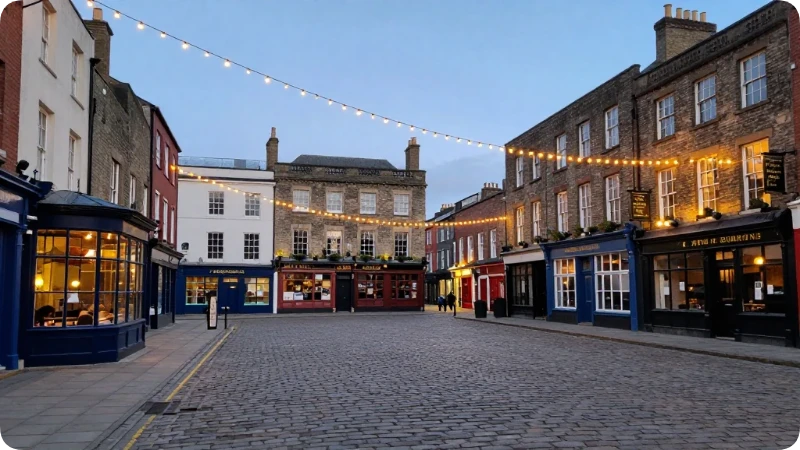
Budget conscious travelers tend to find the best value around Smithfield, Stoneybatter, and parts of the Northside near Phibsborough, where hostels and mid range hotels cost noticeably less than equivalent options in Temple Bar or Grafton Street.
Smithfield has transformed into a genuinely cool, up and coming area with markets, the Jameson Distillery, and independent cafés, all still within a 10 to 15 minute walk of the main tourist sights.
Hostels clustered around the city centre’s cultural quarter, near Dublin Castle and Camden Street, also offer some of the best budget value, often including social common areas that make solo travel easier.
Budget Breakdown (typical ranges confirm current rates before booking):
- Hostel dorm bed: budget friendly, often includes breakfast
- Mid range 3 star hotel: moderate, best value in Smithfield/Northside
- Boutique or 4 star hotel: higher, common in Southside/Ballsbridge
- Luxury hotel: highest, concentrated around St. Stephen’s Green and Docklands
Underrated alternative: Staying just north of the city in Phibsborough or Drumcondra, both a short Luas or bus ride from the center, often costs less than nearby Northside hotels while keeping the same access.
Where to Stay in Dublin: Best Hotels by Area
Rather than chasing a single “best hotel,” it’s more useful to match hotel style to neighborhood. Each Dublin area has a different accommodation personality, from historic Georgian townhouses to modern riverside towers.
In the city centre, expect classic Irish hotels in converted 19th century buildings alongside international chains near O’Connell Street. In the Docklands, modern hotels with river views suit business travelers and families who want new construction and easy stadium or convention center access.
Ballsbridge leans toward boutique guesthouses and upscale properties with a residential, embassy district calm, while Smithfield and Stoneybatter favor smaller independent hotels and design forward hostels.
Booking tip: Always check the exact walking distance listed on a booking site’s map rather than relying on the neighborhood name alone, since “city centre” listings can sometimes sit 20 25 minutes from the core on foot.
What Dublin Travelers on Reddit Recommend
Frequent Reddit threads on r/Dublin and r/Ireland consistently point first timers toward the city centre, Temple Bar’s edges (not its loudest core), and Portobello, while warning newcomers away from booking purely on price without checking a map first.
A recurring theme in these threads is that travelers regret staying too far from the center to “save money,” only to spend that savings and more on taxis back late at night. Locals also frequently recommend Stoneybatter and Phibsborough for travelers who want a quieter, more authentic neighborhood feel without sacrificing transport links.
Common Reddit warning: Several threads flag that some Temple Bar hotels look central on a map but sit directly above or beside loud pubs, so light sleepers are advised to check a hotel’s exact street rather than just its general area.
Where to Avoid Staying in Dublin
A few pockets of Dublin are worth avoiding for most tourists, mainly parts of the inner city further from the core tourist zone, where reviews commonly cite poor lighting, less foot traffic at night, and fewer amenities within walking distance.
This doesn’t mean these areas are unsafe outright, but they typically offer little upside for visitors compared to well connected, well lit neighborhoods like the city centre or Ballsbridge, and can mean longer, less pleasant walks back to accommodation after dark.
Practical fix: When comparing budget listings, check recent guest reviews specifically for comments on the walk from the nearest transport stop, not just the overall star rating, since that detail reveals more about an area’s late night comfort than reviews alone.
General safety tip: As in any capital city, avoid poorly lit streets late at night, keep valuables out of sight, and use licensed taxis or ride hailing apps rather than unmarked cars, particularly around nightlife areas after midnight.
What Are the Nicest Parts of Dublin?
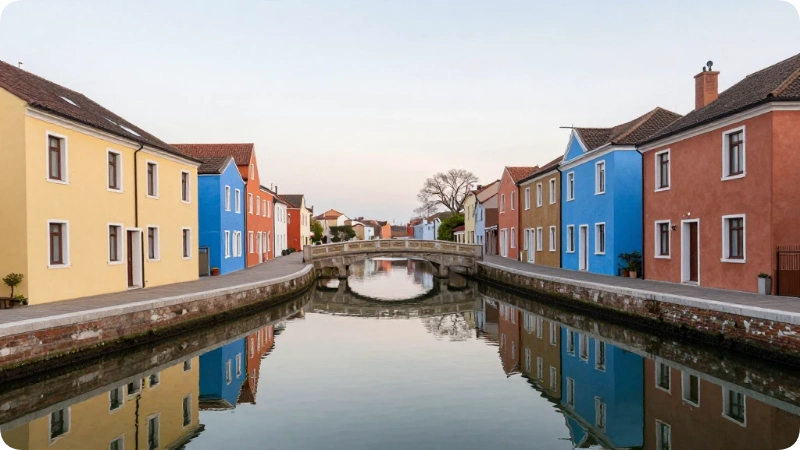
The nicest parts of Dublin for most visitors combine walkability, greenery, and character: the Georgian squares around Merrion Square and St. Stephen’s Green, the canal side calm of Portobello, and the leafy embassy streets of Ballsbridge consistently rank among traveler favorites.
For a more local, up and coming feel, Stoneybatter and Smithfield on the Northside have become popular with visitors who want independent cafés, markets, and traditional pubs without the Temple Bar crowds.
Best photo spots: The Georgian doors around Merrion Square, the cobblestones of Temple Bar in early morning before crowds arrive, and the canal locks along Portobello all offer strong, uncrowded photo opportunities.
Is 3 Days in Dublin Enough?
Three days is enough time to see Dublin’s core highlights comfortably: Trinity College and the Book of Kells, Dublin Castle, Temple Bar, the Guinness Storehouse, and a day trip to a nearby coastal town like Howth or Dún Laoghaire.
It’s tighter for travelers who also want to explore further out sights like the Wicklow Mountains or Glendalough, which typically require a full extra day given the round trip travel time.
Worth it? Yes for a focused city visit. What’s overrated? Rushing through the Guinness Storehouse queue on a Saturday afternoon; visiting on a weekday morning instead saves significant time. What’s underrated? The Chester Beatty Library, a free museum near Dublin Castle that regularly gets skipped in favor of busier attractions.
How to Get There: Airport & Transport Options

Dublin Airport (DUB) sits about 11 kilometers north of the city centre, and since there’s no direct rail link, most visitors reach their hotel by express bus, public bus, or taxi.
Airlink 747 and Aircoach are the two main express bus services, both taking roughly 25 45 minutes depending on traffic, with fares typically in the single digit to low teens euro range for a one way ticket. Regular Dublin Bus routes are the cheapest option, usable with a Leap Card, though luggage space is limited.
Taxis and ride hailing apps take about 30 45 minutes and cost more than the bus, but are the most convenient option for late arrivals, early departures, or groups with heavy luggage.
Getting around once settled: The Luas tram (Red and Green lines), Dublin Bus network, and DART coastal rail cover most of the city well. A Leap Visitor Card offers unlimited travel over set periods and is worth it for stays of three days or more.
Always confirm current fares and schedules directly with Dublin Airport, Aircoach, or Dublin Bus/the National Transport Authority (NTA), as prices and timetables are regularly updated.
Common Mistakes When Choosing Where to Stay in Dublin
- Booking by price alone. A cheaper hotel far from the center can cost more overall once taxi fares and lost time are factored in. Fix: compare walk time to Trinity College or O’Connell Street before comparing price.
- Ignoring noise levels. Temple Bar’s charm by day becomes a nightlife soundtrack by night. Fix: check recent reviews specifically for noise complaints, especially for weekend stays.
- Assuming “city centre” always means walkable. Some listings stretch the definition. Fix: verify the exact address on a map rather than trusting the neighborhood label alone.
Nearby Alternatives to Central Dublin
Travelers who want a quieter base without sacrificing too much access sometimes choose Dún Laoghaire, a coastal town about 20 30 minutes from the center via DART rail, offering sea views and a relaxed pace with an easy commute into the city.
Howth, another DART accessible coastal village, works well for a scenic day trip but is less practical as a full stay base due to longer transit times for evening activities in the city.
FAQs
What is the best area of Dublin to stay in for first time visitors?
The city centre near Trinity College, Grafton Street, and Dublin Castle is best for first timers. It keeps major sights, restaurants, and transport links within a short walk, reducing the need to plan public transport during a short trip.
Where should I avoid staying in Dublin?
Avoid inner city pockets further from the main tourist core with poor lighting and low foot traffic at night. Stick to well connected, well reviewed areas like the city centre, Ballsbridge, or Portobello for a smoother, safer stay.
Is Temple Bar a good place to stay?
Temple Bar is central and lively, ideal for nightlife focused trips, but it’s also the loudest area in Dublin. Light sleepers or those traveling with children often prefer nearby Grafton Street or Trinity College instead.
How many days do I need in Dublin?
Three days is generally enough to cover Dublin’s core highlights, including Trinity College, Dublin Castle, Temple Bar, and a nearby coastal day trip. Add a fourth day for the Wicklow Mountains or Glendalough.
Is it better to stay near Dublin Airport or in the city centre?
Stay in the city centre unless you have a very early flight or late arrival. Airport area hotels only make sense for one night layovers, since most attractions require a bus or taxi ride from the airport zone.
What is the safest area to stay in Dublin?
The Southside city centre around Trinity College and Ballsbridge are generally considered among the safest, well lit, and most walkable areas for tourists, though standard city precautions apply everywhere after dark.
Do I need a car to get around Dublin?
No. Dublin’s Luas tram, Dublin Bus network, and DART rail cover the city and nearby coastal towns well. Most visitors find walking and public transport more convenient than renting a car, especially given city centre parking costs and traffic.
How far in advance should I book a hotel in Dublin?
Booking 2 3 months ahead is a safe rule of thumb, especially for summer travel or dates overlapping major events, sports fixtures, or concerts, when city centre and Ballsbridge hotels near Aviva Stadium fill up quickly.
Is Dublin expensive to stay in compared to other European capitals?
Dublin ranks among the pricier Western European capitals for accommodation, particularly in the city centre. Staying just outside the core, in areas like Smithfield or Phibsborough, is a practical way to reduce costs without losing transport access.
What’s the best area for a family trip to Dublin?
The Docklands is a strong pick for families, offering modern hotels, riverside space, and family attractions like the Jeanie Johnston famine ship replica, all within an easy walk or short tram ride of the city centre.
Can I walk everywhere in Dublin, or will I need public transport daily?
Dublin’s core sights are walkable from a central base, but public transport helps for day trips to Howth, Dún Laoghaire, or attractions like the Guinness Storehouse and Phoenix Park, which sit slightly outside the main walking radius.
Final Takeaways
Choosing where to stay in Dublin comes down to three things: how central you need to be, how much noise you can tolerate at night, and how many days you have to work with. For most first time visitors, the city centre near Trinity College and Grafton Street remains the safest, most convenient choice.
Couples and travelers wanting a quieter pace should look to Ballsbridge or Portobello, while budget conscious visitors will find better value just north in Smithfield or Phibsborough without losing meaningful access to the sights.
However long the trip, booking a base within easy reach of a Luas stop or the main pedestrian streets pays off every single day of the visit. Dublin rewards travelers who spend less time commuting and more time in its pubs, museums, and cobblestone lanes so pick a neighborhood that fits the trip, and let the city do the rest.

Maya Lin inspires travelers to explore the globe with absolute confidence and independence. Armed with a background in digital media and a decade of independent solo travel experience, she knows exactly how to navigate unfamiliar cities smoothly and safely. For Travelmarse, Maya curates the solo travel and hidden-gem verticals. She reviews charming boutique hotels, designs smart neighborhood walking routes, and shares practical language-learning hacks, giving readers the exact tools they need to travel solo without the stress.