Featured Snippet: A travel brochure example typically falls into one of five formats: tri-fold, bi-fold, digital PDF, poster style, or booklet. S
Strong examples share four traits: a bold cover photo, a clear itinerary or highlights list, pricing or contact details, and a single call to action guiding the reader toward booking.
Planning a trip, building a marketing packet, or finishing a school project can stall fast when you have no real example to follow. A blank page rarely inspires confidence, and generic templates often miss the details that make a travel brochure genuinely useful.
This guide breaks down real-world examples of a travel brochure, from national park handouts to tour operator mailers, and shows exactly what separates a forgettable flyer from one that gets read cover to cover.
If the goal is designing a brochure for a client, a classroom assignment, or a small travel business, the examples and structure below can be copied, adapted, and put to work right away.
What Is a Travel Brochure?
A travel brochure is a short, visually driven document that promotes a destination, tour, or travel service using photos, brief text blocks, and practical details like pricing, dates, or contact information. It’s built to be scanned in under a minute, not read like an article.
Most brochures exist to answer one traveler’s question fast: why should I go here, and how do I book it? That’s why layout and hierarchy matter as much as the writing itself.
Brochures show up in a few common settings across the travel industry:
- Visitor centers and state welcome stations
- Travel agency counters and trade shows
- Hotel lobbies and airport kiosks
- Digital downloads on tourism board websites
- Email attachments from tour operators
Types of Travel Brochures (With Examples)
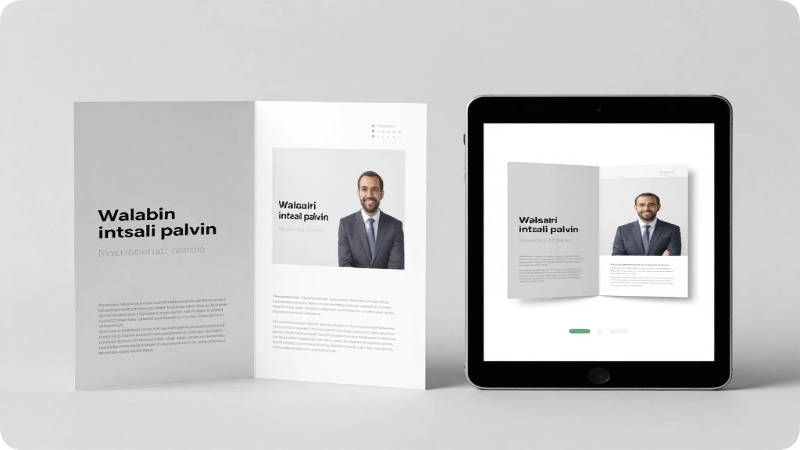
Different brochure formats suit different goals, and picking the right one shapes everything from word count to fold placement.
TriTri-foldochure
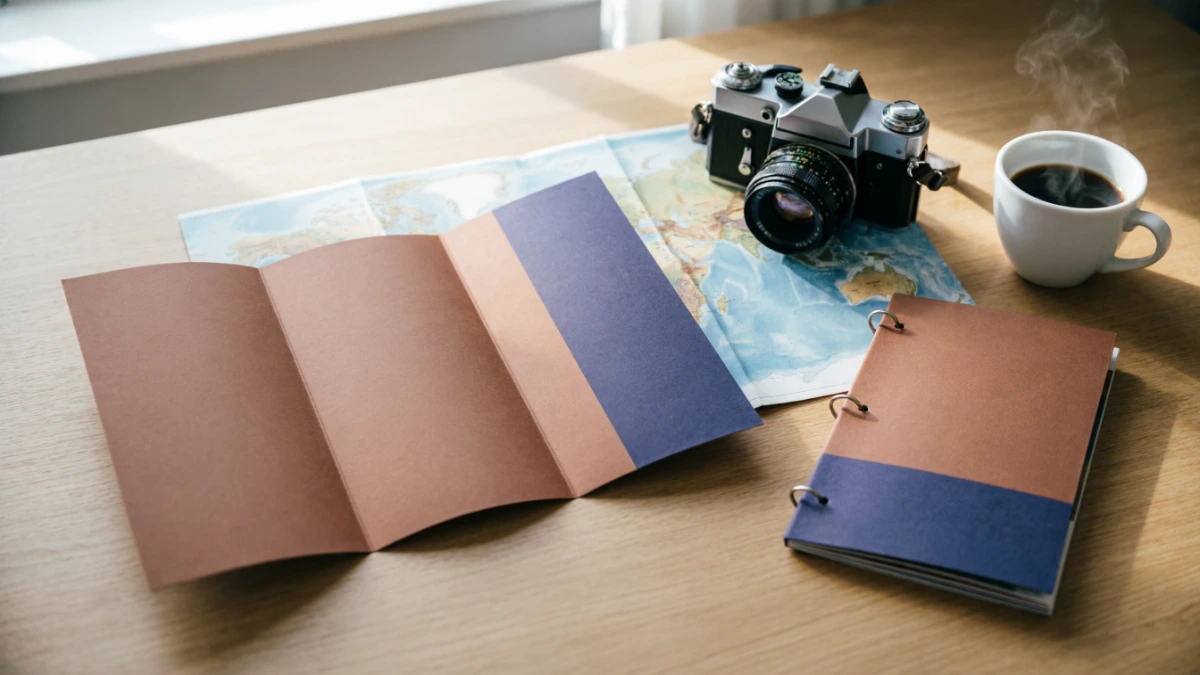
The most common format, a tri-fold divides one sheet into six panels: a cover, a back panel, and four interior panels. Example: many state tourism boards, like Visit Florida or Visit California, use tri-folds to cover a region’s top attractions, a small map, and seasonal event dates in one compact handout.
Bi-fold Brochure
A bi-fold offers four larger panels, giving more room for photography. Example: boutique tour operators often use this format for a single guided trip, pairing a full-bleed cover image with a day-by-day itinerary inside.
Digital or PDF Brochure
Built for email and web downloads, digital brochures skip print constraints and can include clickable links, embedded booking buttons, or QR codes. Example: cruise lines frequently send PDF brochures with itinerary maps and cabin pricing tables.
Poster Style Brochure
A single large panel meant for visual impact over detail. Example: national park visitor centers post large-format brochures highlighting one seasonal trail or event.
Booklet Brochure
Multiple stapled or folded pages, used when a destination needs more depth. Example: city tourism bureaus like NYC & Company or Visit Seattle publish multi-page booklets covering neighborhoods, transit, and dining by district.
Travel Brochure Examples for Students and School Projects
For a travel brochure school project, choose one destination and organize the information into simple sections that are easy to scan. A student brochure can include the destination name, a short introduction, three to five attractions, local food, activities, a small map, travel tips, and a short closing slogan. For a Grade 7 project, keep each section brief and use headings, captions, and bullet points instead of large blocks of text.
A simple student example could focus on New York City. The cover might say “Explore New York City,” while the inside panels highlight Times Square, Central Park, the Statue of Liberty, the Empire State Building, and local foods such as New York-style pizza. The final panel can include a short travel tip, a map, and a slogan such as “Big City, Endless Adventures.”
Key Elements Every Strong Travel Brochure Example Includes
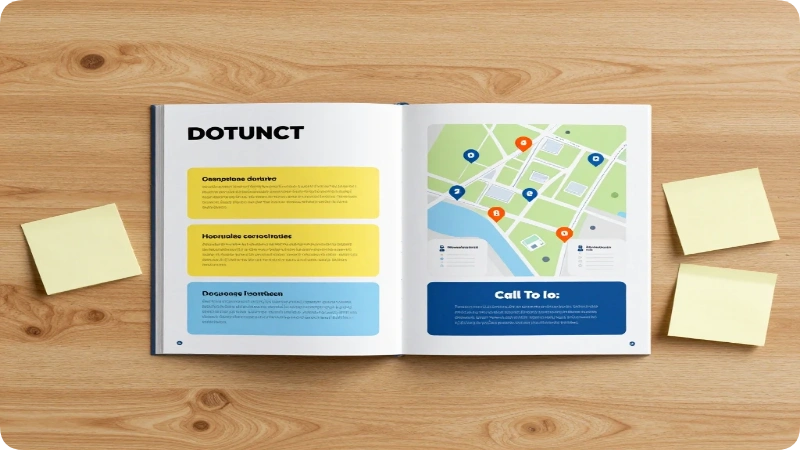
The best travel brochures share a consistent structure, regardless of format or destination. Missing even one of these elements tends to weaken the whole piece.
| Element | Purpose | Where It Appears |
| Cover photo + headline | Grabs attention in under 3 seconds | Front panel |
| Destination highlights | Answers “what’s here?” quickly | Interior panels |
| Map or location reference | Orients the traveler | Interior or back panel |
| Practical details | Hours, pricing, seasons, contact info | Interior or back panel |
| Call to action | Tells the reader what to do next | Back panel |
| Branding | Builds trust and recognition | Cover + back panel |
A brochure missing the call to action is the single most common flaw; even aawell-designed layout underperforms if it never tells the reader what to call, click, or visit.
The 5 Main Parts of a Travel Brochure
Most travel brochures can be organized into five main parts: the cover, destination introduction, attractions and activities, practical travel information, and call to action. The cover should create interest with a destination name, strong image, and short title. The introduction gives travelers a quick reason to visit, while the attractions section highlights places and experiences worth seeing.
The practical information section can include transportation, opening hours, costs, weather, maps, or contact details. The final part tells readers what to do next, such as visiting a tourism website, scanning a QR code, calling a tour operator, or booking a trip. This five-part structure also works well for school travel brochure projects.
Real Examples of a Travel Brochure by Purpose
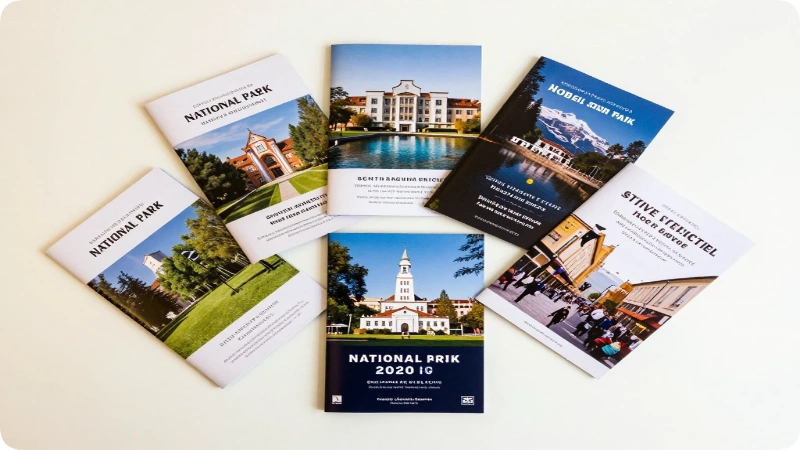
Different goals call for different brochure content. Below are five practical examples grouped by what the brochure is trying to accomplish.
1. Destination Overview Brochure
Best for: state and city tourism boards. Example content: A Colorado tourism brochure might open with a mountain skyline photo, list five top attractions (Rocky Mountain National Park, Garden of the Gods, Pikes Peak, Mesa Verde, Great Sand Dunes), and close with a QR code linking to a full trip planning site.
2. Guided Tour Brochure
Best for: tour operators and travel agencies. Example content: A Grand Canyon rafting tour brochure typically features a day-by-day breakdown, gear included, group size, and a pricing table with early booking discounts.
3. National Park or Trail Brochure
Best for: federal and state park visitor centers.Example content: National Park Service brochures follow a distinctive design standard known as the Unigrid system, created in the 1970s, which gives every park brochure a matching layout with a trail map on one side and history and safety information on the other.
4. Hotel or Resort Brochure
Best for: individual properties. Example content: Room categories, amenities, nearby attractions, and a seasonal rate chart, often paired with a lifestyle photo of the pool or lobby.
5. Event or Festival Brochure
Best for: seasonal tourism campaigns. Example content: A New Orleans Mardi Gras brochure might combine a parade schedule, safety tips, and a map of viewing areas with a bold, festive cover design.
6. Travel Brochure Topics and Ideas
Good brochure topics include destination guides, national parks, city breaks, beach vacations, road trips, historical sites, food destinations, cultural festivals, family vacations, and adventure travel. A school project can narrow the topic further by focusing on one city, landmark, country, or type of trip.
For example, students could create brochures about “Best Things to Do in New York City,” “A Guide to Yellowstone National Park,” “Explore the Beaches of Hawaii,” “A Weekend in Chicago,” or “Road Trip Through California.” Choosing a focused topic makes it easier to decide which attractions, images, facts, and travel tips belong in the brochure.
Sample Travel Brochure Layout (Step by Step)
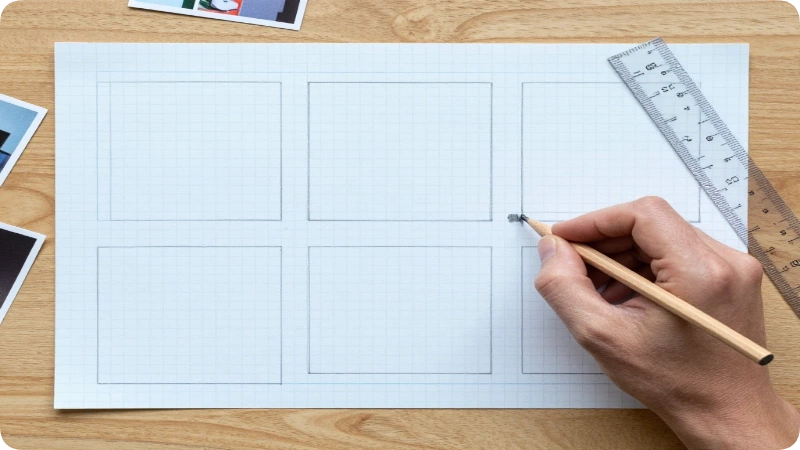
How to Make a 3-Fold Travel Brochure
To make a 3-fold travel brochure, start with one landscape-oriented sheet and divide it into three vertical panels on each side. Plan the six panels before adding text so the cover, inside information, and back panel appear in the correct order after folding.
Use the front panel for the destination name, a strong image, and a short slogan. The three main interior panels can cover attractions, activities, food, and travel tips. Use one panel for a map or practical information, then finish with contact details and a clear call to action. Keep each panel focused on one topic so the finished brochure remains easy to read.
Building a brochure from scratch is easier with a repeatable structure to follow. This six-step layout works for print or digital formats.
- Choose the format: tri-fold for overviews, bi-fold for single trips, booklet for multi-topic destinations.
- Pick one strong cover image; a wide, well-lit photo performs better than a photo collage.
- Write a headline under 8 words: direct and benefit-focused, not clever.
- Draft three to five content panels, one idea per panel, 40–60 words each.
- Adding a map, table, or icon set: visuals should carry as much weight as text.
- Close with contact info and a call to action: phone number, website, or QR code.
Travel Brochure Design Tips (Do’s and Don’ts)
What Should I Write in a Travel Brochure?
Travel brochure copy should answer the questions a traveler is most likely to ask: Where is it, why should I visit, what can I do, when should I go, and what do I need to know? Start with a short destination introduction, then highlight the most important attractions and experiences.
Add practical details such as transportation, estimated costs, opening hours, weather, local food, safety information, or contact details when relevant. Use short sentences, descriptive headings, bullet points, and captions so readers can understand the main information quickly.
Travel Brochure Titles and Slogans
A good travel brochure title should be short, memorable, and connected to the destination. Examples include “Discover California,” “Explore the Grand Canyon,” “A Weekend in New York,” “Find Your Adventure in Colorado,” and “Experience the Magic of Hawaii.”
A slogan can add personality beneath the main title. Examples include “Adventure Starts Here,” “Your Next Great Escape,” “Discover More, Travel Further,” “Where Every Journey Begins,” and “Make Memories Beyond the Map.” For school projects, choose a title and slogan that match
Creative Travel Brochure Ideas
- A travel brochure does not have to look like a basic list of attractions. Try a postcard-style cover, a destination map with numbered attractions, a day-by-day mini itinerary, a “Top 5 Things to Do” panel, or a food-focused section featuring local dishes. A seasonal theme can also make the brochure more distinctive, such as “Fall in New England” or “Summer on the California Coast.”
- For a school project, another creative approach is to design the brochure around a fictional traveler. One panel could answer where to go, another could explain what to see, and a final panel could cover what to eat and how to get around. These ideas add personality while keeping the information useful.
Good design choices make the difference between a brochure that gets picked up and one that gets skipped.
Do:
- Use one consistent font pairing (one for headlines, one for body text)
- Keep text blocks short; brochures are scanned, not read start to finish
- Leave white space around photos and headlines
- Match brand colors across cover and interior panels
Don’t:
- Crowd more than three photos onto a single panel
- Use more than two typefaces
- Bury pricing or contact details on an inside fold
- Rely on stock photography that doesn’t match the actual destination
Common Mistakes to Avoid
Even well-intentioned brochures fall short for a few repeated reasons:
- No clear call to action Fix: end every brochure with one specific next step, like “Scan to book” or “Call to reserve.”
- Too much text per panel Fix: cut copy to short, scannable phrases instead of full paragraphs.
- Outdated pricing or hours Fix: always add a line noting that rates and hours are subject to change, and direct readers to verify current details on the official site.
Digital vs. Print Travel Brochures
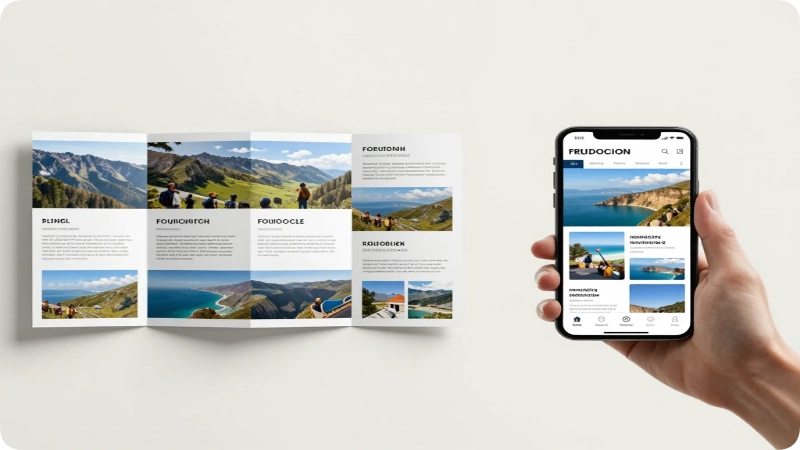
Print brochures still work well in visitor centers, hotel lobbies, and trade shows where travelers browse physical racks. Digital brochures, however, extend reach through email campaigns, social sharing, and embedded booking links, making them a strong complement rather than a replacement.
Many tourism boards and agencies now design one core layout and adapt it for both formats, keeping branding consistent while adjusting for interactive elements like clickable maps or booking buttons in the digital version.
Where to Find Free Travel Brochure Templates
Best Apps and Tools for Travel Brochure Design
Canva is useful for beginners because it provides ready-made travel brochure layouts that can be edited with photos, colors, text, maps, and icons. Microsoft Word and PowerPoint are practical choices for school projects because many users already have access to them and can customize simple brochure layouts. Google Slides can also work well for collaborative projects and digital brochures.
Choose the tool based on the final format. Canva is convenient for visual designs, Word works well for straightforward printable layouts, PowerPoint offers flexible positioning, and Google Slides is useful when several students need to edit the same project.
For anyone building a brochure from scratch, several accessible starting points work well:
- Canva drag-and-droptemplates for tri-fold, bi-fold, and digital formats
- Microsoft Word/PowerPoint built-in brochure templates under the “New Document” gallery
- Google Slides free community templates searchable by “travel brochure”
- State tourism board media kits: some, like Visit California, offer downloadable brand assets for partners
FAQs
What is a good example of a travel brochure?
A strong example combines one striking cover photo, a short headline, three to five highlight sections, a simple map, and a clear call to action. National park brochures and state tour tri-folds are widely available real-world examples to study.
What are the main types of travel brochures?
The main types are tri-fold, bi-fold, digital/PDF, poster style, and booklet formats. Each suits a different purpose, from quick destination overviews to detailed multi-day tour itineraries.
How long should a travel brochure be?
Most print brochures fit six panels of a single folded sheet, with 40–60 words per panel. Digital brochures can run slightly longer since readers scroll rather than unfold.
What should a travel brochure include?
It should include a cover image and headline, destination or trip highlights, a map or location reference, pricing or contact details, and one clear call to action.
Can I make a travel brochure for free?
Yes. Tools like Canva, Google Slides, and Microsoft Word offer free templates that only require a photo, short text, and basic branding to complete.
What makes a travel brochure look unprofessional?
Overcrowded panels, mismatched fonts, low-resolution photos, and missing contact information are the most common signs of an unpolished brochure.
Are digital travel brochures replacing print ones?
Not entirely. Print brochures still perform well in visitor centers and hotel lobbies, while digital versions extend reach through email and social sharing; most tourism boards use both.
Final Takeaways
A great travel brochure example always does three things well: it grabs attention with one strong image, delivers trip details in short, scannable blocks, and closes with a clear next step for the reader. Studying real examples from national park Uni grid brochures to state tourism tri-folds makes it far easier to build one that actually works.
Start with a single format, borrow the structure that fits the goal, and keep the design simple enough to scan in under a minute. A well-built brochure won’t just inform a traveler; it will move them one step closer to booking the trip.
Note: Pricing, hours, and template availability mentioned above may change. Always verify current details directly with the relevant tourism board, park service, or template provider.

Maya Lin inspires travelers to explore the globe with absolute confidence and independence. Armed with a background in digital media and a decade of independent solo travel experience, she knows exactly how to navigate unfamiliar cities smoothly and safely. For Travelmarse, Maya curates the solo travel and hidden-gem verticals. She reviews charming boutique hotels, designs smart neighborhood walking routes, and shares practical language-learning hacks, giving readers the exact tools they need to travel solo without the stress.