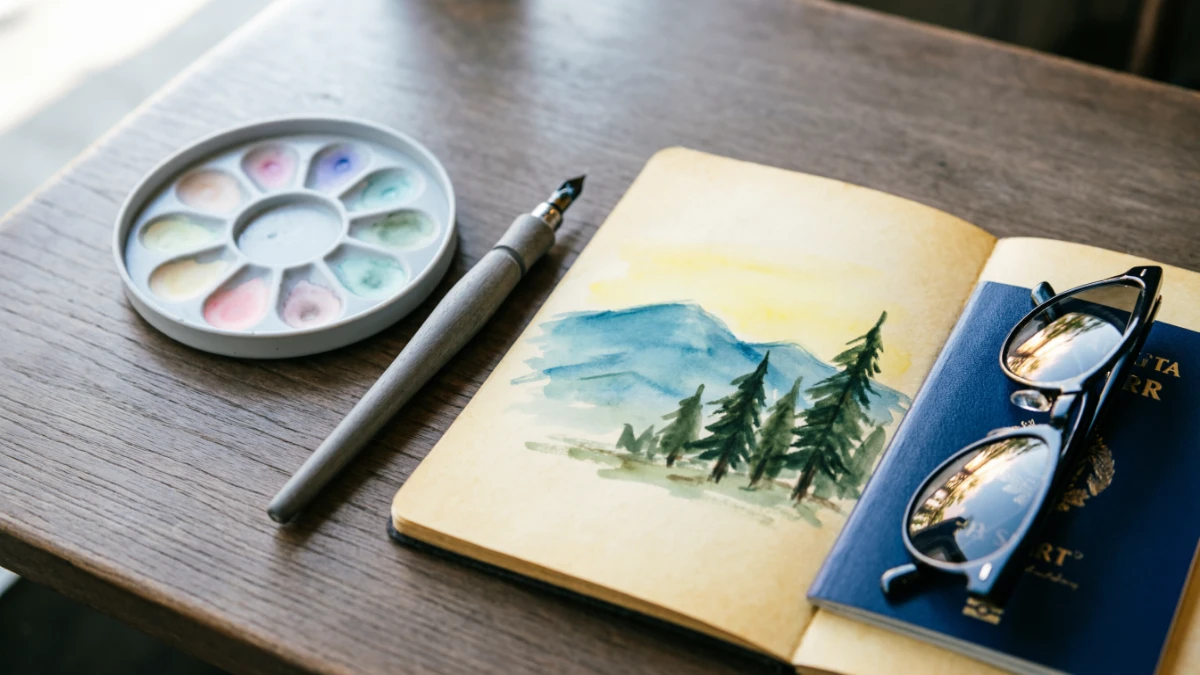
Travel watercolor is the practice of sketching and painting scenes with a compact, portable watercolor kit while on a trip, capturing landscapes, streets, and moments in real time. It requires minimal gear, a small palette, brush, and paper and works anywhere from national parks to city cafés, making it one of the most accessible creative travel hobbies available.
A blank travel journal and a rushed itinerary rarely mix well. Many travellers snap hundreds of photos on a trip, only to forget the small details: the color of the sky over a coastal cliff, the texture of an old brick wall within weeks. Travel watercolor solves that problem by slowing the journey down.
This guide covers everything needed to start painting on the road: the right gear, packing advice, budget friendly supply lists, the best destinations across the USA, and practical techniques for painting quickly without missing a flight or a sunset. If the goal is a weekend hobby or a full travel journal, this guide offers a clear, tested starting point.
Painting while traveling also builds a stronger connection to a place than photography alone, since it forces close observation of light, color, and shape rather than a quick snapshot.
What Is Travel Watercolor Painting?
Travel watercolor painting means creating small, quick watercolor sketches of places visited during a trip, usually completed in 15 45 minutes using a compact field kit. It blends art journaling with travel documentation, capturing a personal, time stamped record of a journey that photos alone cannot replicate.
The practice traces back to plein air painting traditions, where artists worked outdoors directly from a subject rather than a studio. Travel watercolor simply adapts that tradition for backpacks, layovers, and hotel balconies. It does not require formal training loose, imperfect sketches are part of the charm and are widely shared under hashtags like #urbansketching and #travelsketchbook.
Quick Facts Table
| Category | Details |
| Best for | Slow travelers, solo trips, road trips, national park visits |
| Skill level needed | Beginner friendly |
| Typical sketch time | 15 45 minutes per scene |
| Starter kit cost | $25 $80 |
| Best kit type | Pocket palette + travel brush + bound sketchbook |
| Best seasons | Spring and fall (mild light, fewer crowds) |
| Top US locations | Charleston, Santa Fe, Acadia National Park, Sedona, Savannah |
Best Time to Paint While Traveling
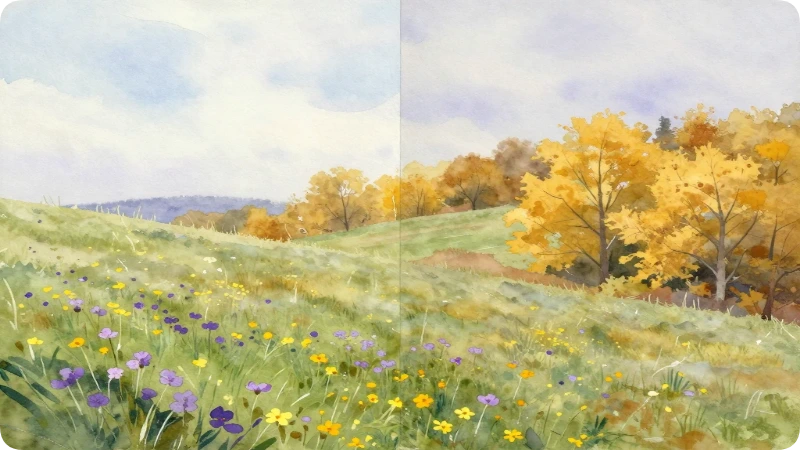
Spring and fall offer the most reliable conditions for travel watercolor, with soft directional light, mild temperatures, and fewer crowds blocking scenic viewpoints. Painting outdoors becomes harder in extreme heat, since watercolor paint dries too fast on the palette and paper.
Spring (March May): Wildflowers, green landscapes, and comfortable temperatures make this the strongest season for outdoor sketching across most of the country.
Fall (September November): Warm foliage colors and golden hour light are ideal for landscape work, especially in New England and the Rockies.
Summer: Longer daylight hours help, but heat, humidity, and crowds at popular viewpoints can make quiet painting spots harder to find. Early morning or evening sessions work best.
Winter: Limited daylight and cold hands slow the process, though snow scenes and low winter light produce striking results for experienced painters willing to work in short bursts.
Essential Travel Watercolor Gear & Packing Advice
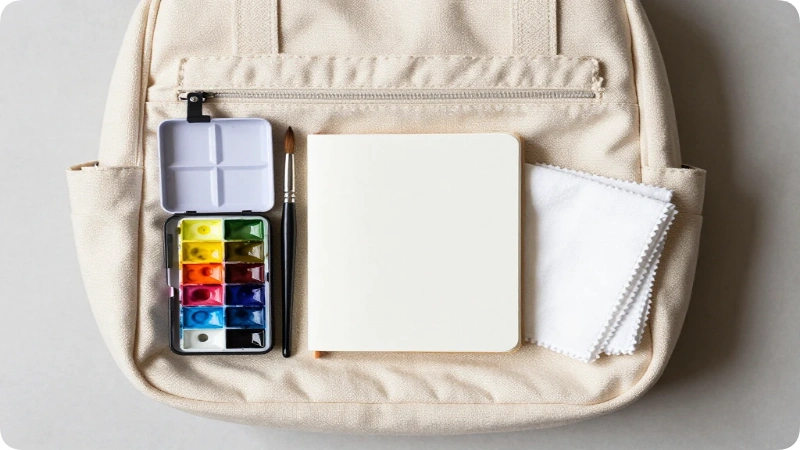
A functional travel watercolor kit needs only four items: a pocket sized palette, a water brush, a small bound sketchbook, and a compact water container. Keeping the kit under one pound ensures it fits easily into a daypack without adding noticeable travel weight.
Core packing list:
- Pocket watercolor palette (12 24 pans is plenty)
- Water brush pen (eliminates the need for a separate water cup)
- Hot press or cold press travel sketchbook (140 lb paper minimum to prevent buckling)
- Small microfiber cloth or paper towel
- Collapsible water cup or reusable bottle cap
- Waterproof pouch for TSA friendly, spill proof carrying
Airlines generally allow water brushes and small paint palettes in carry on bags without restriction, but liquids like bottled ink or large water containers should stay under 3.4 ounces for TSA carry on compliance. Always verify current TSA guidelines before flying, since rules can change.
Budget Breakdown
Starting a travel watercolor practice does not require a large investment, with most beginner kits costing well under $100 total. Higher end professional kits exist, but they add weight and cost without meaningfully improving a beginner’s early sketches.
| Item | Budget Option | Mid Range | Premium |
| Palette | $10 $15 | $25 $40 | $60+ |
| Brush | $6 $10 | $15 $20 | $30+ |
| Sketchbook | $8 $12 | $18 $25 | $35+ |
| Total kit | ~$25 | ~$65 | ~$125+ |
Money saving tip: Refillable pan palettes let travelers replace only the colors they run out of, avoiding the cost of buying an entirely new set.
Top US Destinations for Travel Watercolor Painting
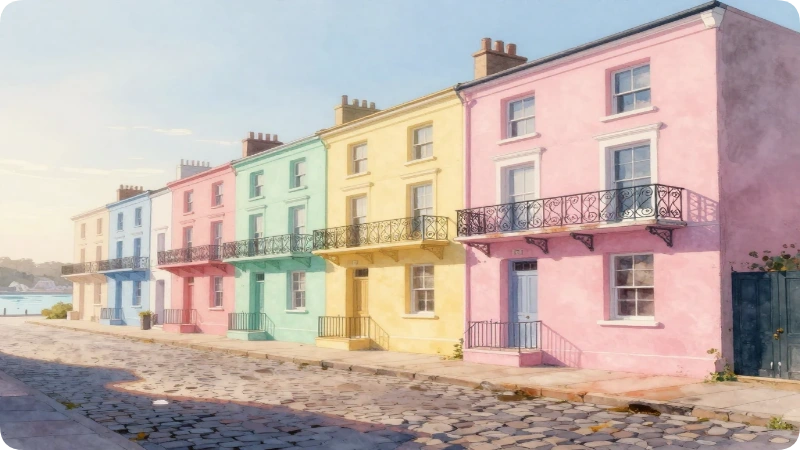
Coastal towns, historic districts, and national parks tend to offer the strongest mix of color, light, and architecture for travel watercolor subjects. The best locations combine visual variety with places to sit comfortably for 20 30 minutes without disrupting foot traffic.
- Charleston, South Carolina Pastel row houses and wrought iron balconies along Rainbow Row.
- Santa Fe, New Mexico Adobe architecture and dramatic desert light, especially near the Santa Fe Plaza.
- Acadia National Park, Maine Rocky coastlines and layered blues, managed by the National Park Service (NPS).
- Sedona, Arizona Red rock formations that shift color dramatically at sunrise and sunset.
- Savannah, Georgia Spanish moss draped squares and historic fountains.
- Big Sur, California Coastal cliffs along Highway 1, best painted from designated pullouts for safety.
Hidden gem: Smaller river towns like Galena, Illinois, or Beaufort, South Carolina, offer similar charm to bigger name destinations with far fewer crowds competing for the same bench.
Where to Stay for Painting Trips
Lodging with a porch, balcony, or nearby park bench adds significant painting time without needing to venture far from the room. Boutique inns and bed and breakfasts in historic districts often provide better sketching access than large resort chains set back from town centers.
Vacation rentals near town squares or waterfronts also work well, since they allow early morning or late evening sessions without a commute. Booking a stay within walking distance of at least two or three scenic spots maximizes painting time over a short trip.
Tips for Painting on the Go
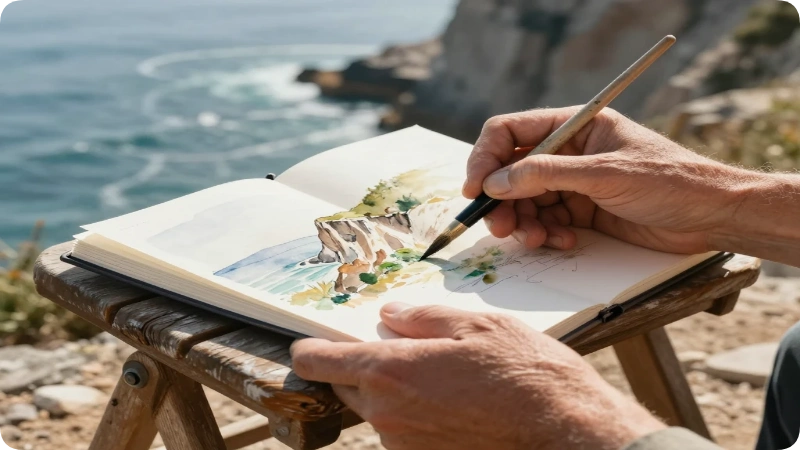
Fast, loose brushwork beats slow, detailed rendering when time is limited, since most travel scenes only need 20 30 minutes of focused work to capture. Starting with a light pencil sketch before adding color helps prevent wasted paper on compositions that do not work.
- Paint the sky and largest shapes first, then add detail last.
- Carry a printed reference photo as backup for scenes with moving subjects, like harbors or markets.
- Work in a limited palette of 5 6 colors to keep mixing fast and consistent.
- Use a small travel stool or sit on a curb for stability in crowded areas.
Best photo spots for reference shots: elevated viewpoints, pier ends, and courtyard entrances typically offer the cleanest compositions with layered depth.
Common Mistakes + Fixes
Mistake 1: Overpacking the kit. A 48 color palette sounds appealing but slows decision making in the field. Fix: Limit the travel palette to 12 24 colors maximum.
Mistake 2: Choosing paper that’s too thin. Paper under 140 lb buckles badly once wet. Fix: Always pack a dedicated watercolor sketchbook, not a standard journal.
Mistake 3: Trying to finish a “perfect” painting. Chasing photorealism on a time limit leads to frustration. Fix: Aim for a loose, 20 minute impression rather than a finished gallery piece.
Underrated Alternatives
Painting is not the only way to build a visual travel journal, and a few close alternatives suit travelers short on time or nervous about brush skills.
- Gouache travel kits More opaque and forgiving of mistakes than watercolor.
- Ink and wash sketching Faster than full watercolor, using a waterproof pen plus a light wash.
- Digital sketching apps A tablet stylus offers an undo button, appealing to beginners easing into visual journaling.
Etiquette & Responsible Travel
Painting on public land like national parks generally requires no special permit for personal, non commercial sketching, though group workshops or tripods in sensitive areas may need prior authorization from the NPS. Always check current park specific rules before visiting, since regulations vary by site.
On private property or in small businesses, a quick, friendly ask before setting up avoids any awkwardness, especially in cafés or courtyards. Leaving no trace applies to painting trips too rinse water should never be dumped directly onto plants, trails, or waterways.
Solo & Family Tips
Solo travelers often find painting an easy way to meet people, since a sketchbook naturally invites curious passersby to strike up conversation in a low pressure setting. Choosing well lit, populated spots for solo sessions adds a layer of comfort and safety.
Families traveling with kids can pack simplified kits with fewer colors and larger brushes, turning a 15 minute sketch break into a shared activity rather than a solo pursuit. National park visitor centers often sell junior ranger art activities that pair naturally with a family watercolor session.
Sample One Day Itinerary
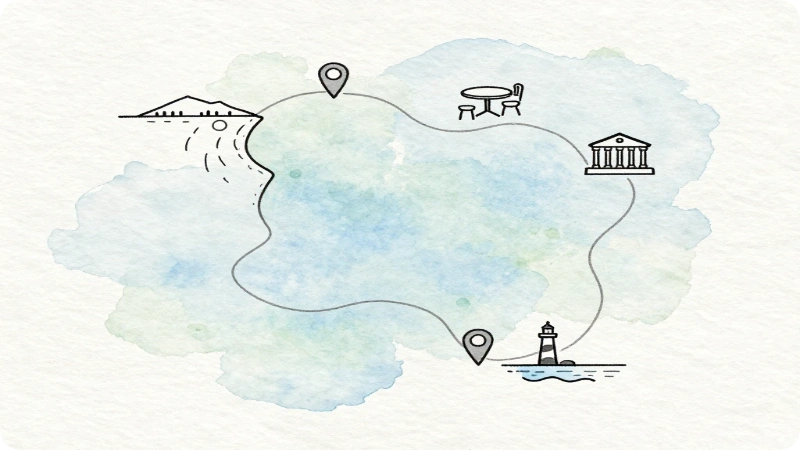
Morning: Arrive at a scenic overlook or historic district by 8 a.m. for soft light and light foot traffic; sketch for 30 40 minutes. Midday: Break for lunch at a local café, then explore a museum or walkable neighborhood. Afternoon: Find a second viewpoint ideally water adjacent for a shorter 20 minute sketch session. Evening: Capture the golden hour with a quick color study before dinner, when light shifts fastest and colors are richest.
Is Travel Watercolor Worth It?
For travelers who enjoy slowing down and observing details, travel watercolor is well worth the modest gear investment and offers a personal keepsake that photos cannot replace. A basic starter session takes as little as 20 minutes, making it realistic to fit into most itineraries.
The most overrated part of the hobby is expensive gear, since a $25 starter kit performs nearly as well as premium sets for beginner level work. The most underrated part is the social element sketching in public places consistently sparks conversations with locals and fellow travelers.
FAQs
Do I need art experience to start travel watercolor painting?
No prior experience is needed. Loose, imperfect sketches are standard in travel watercolor and are widely embraced rather than judged for technical accuracy. Starting with simple shapes and shorter sessions builds confidence quickly.
What’s the best watercolor paper for travel?
A bound sketchbook with at least 140 lb (300 gsm) cold press paper works best, since it resists buckling when wet. Spiral bound options lie flatter for painting than glued edge books.
Can I bring watercolor supplies on a plane?
Yes, palettes, brushes, and dry paint pans are generally allowed in carry on luggage. Liquid items like bottled water or ink should follow standard TSA liquid limits, so checking current guidelines before departure is recommended.
How long does a travel watercolor sketch take?
Most quick travel sketches take 15 45 minutes, depending on detail level and drying time between layers. Faster, looser styles suit travelers with limited time between activities.
What is the best season for travel watercolor painting?
Spring and fall generally offer the most workable conditions, with mild temperatures and soft light. Summer heat can dry paint too quickly, while winter cold shortens comfortable painting time outdoors.
Where are the best US destinations for travel watercolor?
Charleston, Santa Fe, Acadia National Park, Sedona, and Savannah are consistently popular for their light, color variety, and walkable scenic spots. Smaller towns nearby often offer similar beauty with fewer crowds.
Is it okay to paint inside national parks?
Personal, non commercial sketching is typically allowed without a permit, though group activities or tripods may require prior approval. Confirming rules with the specific park’s NPS office before the trip avoids any issues.
The Journey Is Better in Color
Travel watercolor turns ordinary trips into a personal, hand painted record that a phone camera roll simply cannot replicate. A lightweight starter kit, a bit of planning around light and season, and a willingness to paint imperfectly are all that’s needed to begin.
Three takeaways stand out: keep the kit small and simple, chase soft morning or evening light, and treat every sketch as a quick impression rather than a finished piece. Painting in Charleston’s pastel streets or beside Acadia’s rocky coastline builds a connection to a destination that lasts far longer than a saved photo.
Pack a pocket palette, tuck a sketchbook into the day pack, and let the next trip unfold one small painting at a time.

Stephen Fry brings an insatiable curiosity for history, language, and global heritage to the Travelmarse team. Having spent decades traveling the globe to study regional storytelling and ancient civilizations, he excels at uncovering the hidden narratives of modern destinations. Stephen anchors the cultural vertical on Travelmarse, where he writes deep-dive guides on architectural history, museum crawl strategies, and local customs. His vivid, engaging writing helps travelers look past the surface and truly understand the heritage of the places they visit.