Featured Snippet
Italy travel destinations include Rome for ancient history, Florence for Renaissance art, Venice for scenic canals, the Amalia Coast for coastal beauty, and Tuscany for countryside charm. Most US travellers spend 10 14 days exploring 3 4 Italy travel destinations, with May, June, September, and October offering the best weather and fewer crowds.
Planning a trip to explore Italy travel destinations can feel overwhelming. Hundreds of cities, islands, and hill towns all seem worth visiting.
Many US travelers struggle to create the perfect itinerary. They compare flights, buy train passes, and choose destinations before booking.
This guide highlights the best Italy travel destinations by region, season, and traveler type, making it easier to plan a vacation that feels organized instead of rushed.
If you’re planning a honeymoon, a family vacation, or a solo trip, these Italy travel destinations have something for everyone.
You’ll also discover practical advice on transportation, budgets, hidden gems, and a sample itinerary that connects the most popular Italy travel destinations for American visitors crossing the Atlantic.
By the end of this guide, you’ll know which Italy travel destinations deserve a place on your itinerary and how to combine multiple Italy travel destinations into one memorable trip.
Quick Facts About Travelling to Italy 🇮🇹
Italy sits in Southern Europe along the Mediterranean. It borders France, Switzerland, Austria, and Slovenia. The country uses the euro, drives on the right, and follows Central European Time.
| Category | Details |
| Currency | Euro (€) |
| Main entry airports | Rome Fiumicino (FCO), Milan Malpensa (MPX), Venice Marco Polo (VCE) |
| Best for | Couples, families, solo travelers, history and food lovers |
| Average trip length | 7 14 days |
| Language | Italian (English widely spoken in tourist areas) |
| Visa for US citizens | Not required for stays under 90 days (verify current rules with the US State Department before booking) |
Best Time to Visit Italy’s Top Destinations
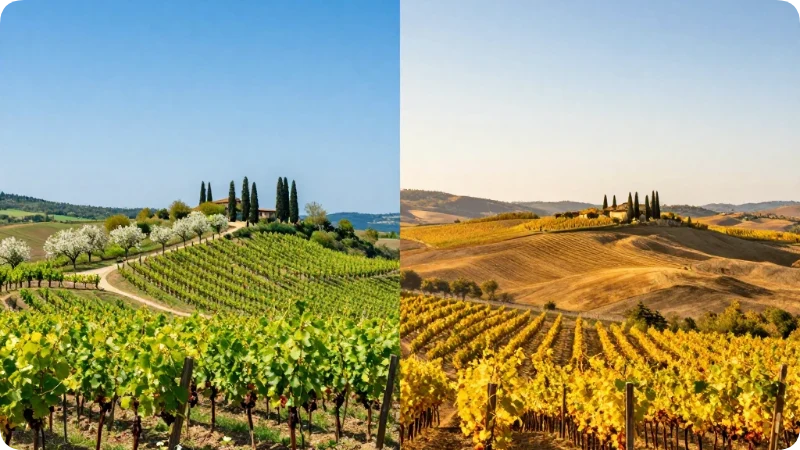
The best months to visit Italy are May, June, September, and October. During these months, temperatures stay comfortable and crowds are smaller than in summer. July and August bring the highest heat and the largest tourist volume, especially in Rome and along the coast. Winter offers the lowest prices but shorter daylight hours and closures at smaller attractions.
Seasonal Comparison Table
| Season | Months | Weather | Crowds | Best For |
| Shoulder (best overall) | April June, Sept Oct | Mild, 60s 70s°F | Moderate | First time visitors, photography |
| Peak | July August | Hot, 85 95°F+ | Very high | Beach towns, festivals |
| Off season | Nov March | Cool, 40s 50s°F | Low | Budget travel, museums, cities |
Insider tip: Late September is one of the most underrated windows to visit — the summer crowds have thinned, the sea is still warm enough for swimming on the Amalfi Coast, and grape harvest season brings festivals across Tuscany and Umbria.
How to Get to Italy From the United States
Most US travelers fly nonstop to Rome, Milan, or Venice. Major departure cities include New York, Chicago, Atlanta, and Los Angeles. Flight times average 8 11 hours depending on departure city, and booking 3 5 months ahead typically secures better fares.
Major US carriers including Delta, American, and United operate direct seasonal and year round routes, while Italy’s national carrier ITA Airways also connects several US gateways. Always confirm current routes and schedules directly with the airline, since seasonal flights shift year to year.
Getting Around: Transport Options Inside Italy
Italy’s train network is one of the easiest ways to travel. Trenitalia and Italo connect cities such as Rome, Florence, Venice, and Naples.
Train vs. Car vs. Flying
| Method | Best For | Typical Travel Time (Rome Florence) | Notes |
| High speed train | Cities, efficiency | ~1.5 hours | Book ahead for lower fares |
| Rental car | Tuscany, Amalfi Coast, countryside | Varies | Avoid driving in city centers (ZTL zones) |
| Domestic flight | Long distances (Rome Sicily) | ~1 hour | Add airport time |
Renting a car makes sense for rural regions like Tuscany, Umbria, or Puglia, where towns aren’t well served by rail. Avoid driving in historic city centers, where restricted traffic zones (ZTL) can result in fines for unauthorized vehicles.
Rome: Ancient History Meets Modern Life
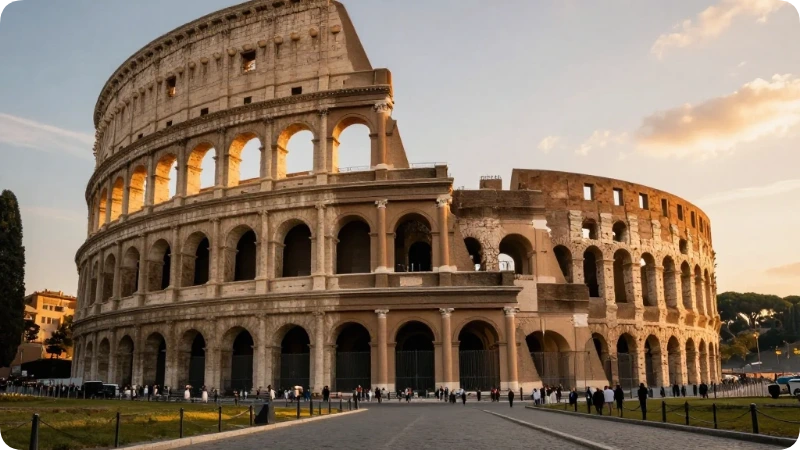
Rome remains Italy’s most visited city, anchored by the Colosseum, the Roman Forum, and Vatican City. First time visitors typically need 3 4 full days to see the major sites without rushing between them.
Rome is Italy’s most visited city. Its top attractions include the Colosseum, the Roman Forum, and Vatican City. Plan at least 3 4 days to explore them comfortably.
Florence: The Heart of the Renaissance
Florence packs centuries of art and architecture into a walkable historic center, home to the Uffizi Gallery, the Duomo, and Michelangelo’s David at the Galleria dell’Accademia. Two to three days is generally enough to see the highlights at a relaxed pace.
Climbing the Duomo’s dome rewards early risers with panoramic views over the city’s terracotta rooftops before the midday crowds arrive. Florence also serves as the gateway to Tuscany’s countryside, making it a smart base for day trips to vineyards and hill towns.
Venice: Canals, Bridges, and Island Charm
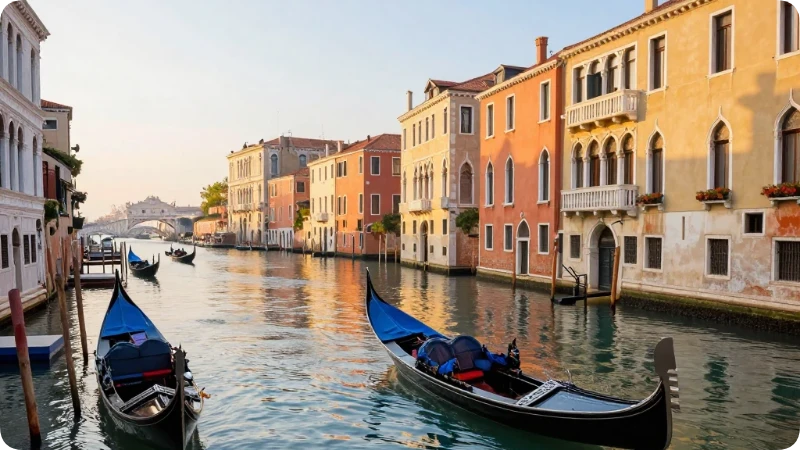
Venice is built on more than 100 small islands. Canals and bridges connect them, and cars are not allowed in the historic center.
Hidden Gem: Burano and Torcello
Skip the overcrowded Murano glass shops and take the extra 20 minutes to reach Burano, known for its brightly colored fishermen’s houses, and Torcello, a near empty island with one of the region’s oldest churches. Both offer a quieter, more photogenic alternative to Venice’s main square.
The Amalfi Coast: Cliffside Beauty
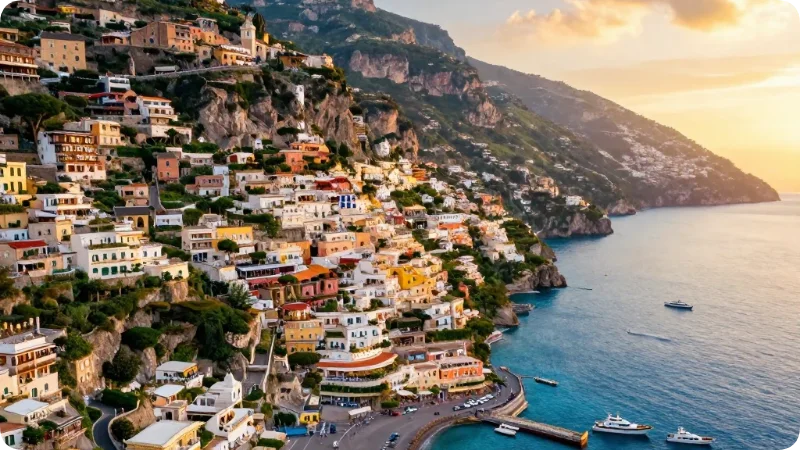
The Amalfi Coast stretches along the Sorrentine Peninsula. Famous towns include Positano, Amalfi, and Ravello, all linked by a scenic coastal road. Summer is the busiest season, while late spring and early fall offer warmer seas with fewer tour buses.
Positano’s steep staircases and boutique shops draw the most attention, but Ravello — perched higher on the cliffs — offers quieter gardens and sweeping views with a fraction of the crowds. The SITA bus and seasonal ferries between towns are often more reliable than driving the narrow coastal road yourself.
Tuscany: Vineyards, Hill Towns, and Countryside
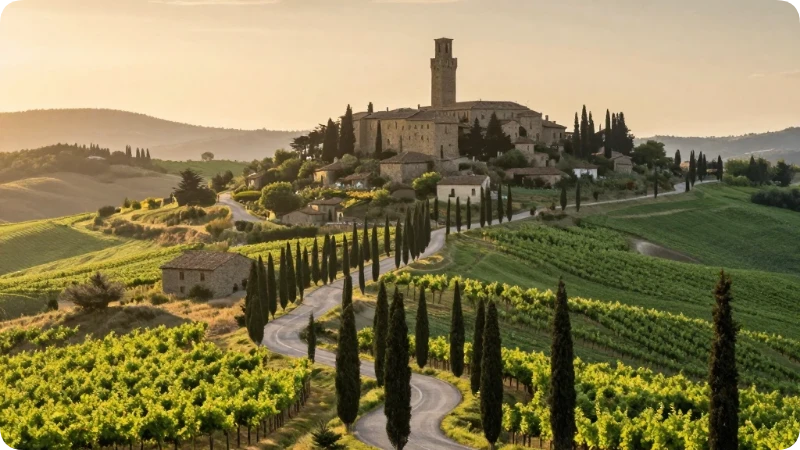
Tuscany is known for its rolling countryside and medieval hill towns. Siena, San Gimignano, and Montepulciano are surrounded by famous vineyards. Renting a car here is the most practical option, since regional buses run infrequently between smaller towns.
Underrated alternative: Val d’Orcia, a UNESCO listed valley south of Siena, offers the same cypress lined countryside views as the popular postcard photos near San Quirico, without the crowds of tour buses that gather at the most photographed roadside spots.
The Amalfi Coast vs. Cinque Terre: Which Fits Your Trip?
Travelers torn between coastal regions often compare the Amalfi Coast to Cinque Terre, a string of five cliffside villages in Liguria. The Amalfi Coast offers more nightlife and resort style stays, while Cinque Terre is better suited to hiking and a slower, quieter pace.
Cinque Terre connects its five villages by a coastal hiking trail and a short train line, making it ideal for travelers who prefer walking between towns over driving. The Amalfi Coast, by contrast, has more upscale accommodations and a livelier social scene in summer.
Sicily: Italy’s Underrated Island
Sicily combines Greek temples, Norman cathedrals, and Mount Etna. Despite its attractions, it receives fewer American visitors than mainland Italy.
Sicilian cuisine also stands apart from mainland Italian food, with influences from Arab and Spanish rule showing up in dishes like arancini, caponata, and cannoli. Renting a car is the most efficient way to cover the island’s spread out attractions.
Budget Breakdown: What a Trip to Italy Typically Costs
Daily budgets in Italy vary widely by region and travel style, with Rome and Venice generally costing more than smaller towns in Tuscany or Puglia. Budget travelers can expect to spend less by staying in agriturismi (farm stays) or smaller B&Bs outside major city centers.
| Category | Budget | Mid Range | Luxury |
| Accommodation/night | $60 $100 | $150 $250 | $300+ |
| Meals/day | $30 $50 | $60 $90 | $100+ |
| Local transport/day | $10 $20 | $20 $40 | $50+ |
Prices fluctuate by season and location, so always check current rates directly with hotels, train operators, and tour providers before finalizing a budget.
Where to Stay: Choosing the Right Base
Choosing a hotel near a train station in cities like Florence or Rome cuts down on transit time and makes day trips easier. In smaller towns or coastal regions, staying just outside the historic center often costs less while still being walkable to main attractions.
Travel insurance is worth considering for international trips to Italy, particularly given the cost of last minute flight changes or medical care abroad. Compare a few providers directly, since coverage and pricing change frequently.
Food and Dining: Beyond Pizza and Pasta
Italian cuisine varies by region. Bologna is famous for ragù, Naples for pizza, and Sicily for seafood dishes.
A simple money saving habit: order the “menu del giorno” (daily menu) at lunch, which often includes a multi course meal at a lower price than ordering à la carte at dinner.
Culture and Etiquette Tips for US Travelers
Italians usually dress more formally than many American tourists. Churches often require visitors to cover their shoulders and knees. Greeting shopkeepers with “buongiorno” before asking questions is a small gesture that’s well received throughout the country.
Meal times also run later than in the US, with dinner reservations commonly starting at 7:30 or 8 p.m. and many restaurants closing entirely between lunch and dinner service.
Safety Tips for Traveling in Italy
Italy is generally safe for tourists. However, pickpocketing is common in crowded places such as Rome’s metro, Florence’s station, and Venice’s main square. Keep valuables in a front pocket or money belt, and avoid displaying phones or cash openly in dense crowds.
The US State Department maintains updated travel advisories for Italy, and it’s worth checking these along with CDC health guidance before departure, since conditions and recommendations can change.
Packing Advice for an Italy Trip
Comfortable walking shoes matter more than almost anything else, since most historic centers involve cobblestone streets and significant walking between sites. Pack layers for shoulder season trips, since mornings and evenings can be notably cooler than midday temperatures.
A lightweight scarf or cover up is also useful for spontaneous church visits, since many religious sites enforce dress codes without exception, even for brief stops.
Family Tips, Solo Tips, and Accessibility
Families usually enjoy their trip more by staying in one or two regions. Fewer hotel changes mean less stress and exhaustion.
Accessibility varies significantly by city: Venice’s bridges and stairs make it challenging for wheelchair users, while Rome and Florence have made more recent improvements to ramps and accessible transit options. Checking accessibility details directly with specific hotels and attractions is recommended, since infrastructure differs site by site.
Responsible Travel in Italy
Overtourism has become a real concern in Venice and the Amalfi Coast, prompting some local governments to introduce visitor fees or capacity limits during peak season. Traveling in shoulder season, supporting family run businesses, and avoiding single use plastics where possible all help reduce strain on popular destinations.
Common Mistakes US Travelers Make in Italy
- Trying to see too many cities in one trip — Fix: pick 3 4 regions and slow down.
- Not validating train tickets before boarding regional trains — Fix: always check current ticketing rules at the station.
- Assuming credit cards work everywhere — Fix: carry some cash for small cafés and rural towns.
Nearby Alternatives Worth Considering
Travelers drawn to Venice’s canals might also enjoy Mantua or Verona, two underrated cities in northern Italy with fewer crowds and similarly rich histories. Those interested in the Amalfi Coast’s scenery but seeking lower costs might consider Cilento, a quieter coastal area just south with comparable beaches.
Sample 10 Day Italy Itinerary
| Days | Destination | Focus |
| 1 3 | Rome | Colosseum, Vatican, Trastevere |
| 4 5 | Florence | Uffizi, Duomo, day trip to Tuscany |
| 6 7 | Venice | St. Mark’s Square, Burano |
| 8 10 | Amalfi Coast | Positano, Ravello, beach time |
This route balances major cities with coastal relaxation and works well for first time visitors flying into Rome and out of Naples or Venice.
Is Italy Worth Visiting? Honest Pros and Cons
Italy is worth visiting for its art, history, food, and scenery. However, expect larger crowds and higher prices during peak season.
What’s overrated: Standing in long lines for the Trevi Fountain photo op without exploring the quieter neighborhoods nearby. What’s underrated: Smaller hill towns and southern regions that receive far fewer American visitors despite comparable beauty.
FAQs
How many days do you need in Italy?
Most first time visitors need 10 14 days to comfortably cover 3 4 regions, such as Rome, Florence, Venice, and the Amalfi Coast, without feeling rushed between stops.
What is the cheapest time to visit Italy?
Winter, particularly November through February (excluding holidays), typically offers the lowest accommodation and flight prices, though some coastal attractions and smaller museums may have reduced hours.
Do US citizens need a visa for Italy?
US citizens generally don’t need a visa for stays under 90 days, but travel requirements can change, so it’s best to confirm current rules with the US State Department before booking.
Is it better to rent a car or take trains in Italy?
Trains work best for connecting major cities like Rome, Florence, and Venice, while a rental car is more practical for rural regions like Tuscany or the Amalfi Coast.
What is the most beautiful region in Italy?
This depends on traveler preference: Tuscany suits countryside lovers, the Amalfi Coast suits coastal scenery seekers, and Venice suits those drawn to unique architecture and canals.
Is Italy safe for solo female travelers?
Italy is generally considered safe for solo travelers, including women, though standard precautions like avoiding poorly lit areas at night and watching for pickpockets in crowded areas still apply.
What should I avoid doing in Italy?
Avoid wearing beachwear in churches, ordering cappuccino after a meal (a local food custom), and assuming every restaurant accepts cards, since smaller establishments may prefer cash.
Final Takeaways
Italy rewards travellers who choose depth over breadth, picking a handful of regions rather than rushing through a dozen cities in two weeks.
Shoulder season travel (spring or fall) consistently offers the best mix of good weather, manageable crowds, and reasonable pricing.
Pairing iconic stops like Rome and Florence with quieter alternatives like Val d’Orcia or Cirque Terrie creates a more memorable, less exhausting trip.
Start mapping out which regions match your travel style, check current entry requirements and advisories, and build a pace that leaves room to wander.
Italy has a way of rewarding the travelers who slow down enough to actually see it.

Ben Fogle believes that true adventure begins where the pavement ends. After spending years documenting extreme environments, rowing across oceans, and trekking through frozen landscapes, he mastered the art of wilderness travel. For Travelmarse, Ben constructs highly detailed guides on deep-nature packing lists, wildlife safety, and sustainable eco-tourism. He breaks down intimidating, rugged expeditions into clear, step-by-step roadmaps so everyday travelers can safely connect with the natural world.