Quick answer: The best walking sandals for travel combine arch support, a grippy outsole, and adjustable straps that lock the heel in place.
Look for brands like Teva, Chaco, KEEN, Birkenstock, and Xero Shoes, choose a pair you’ve already broken in before your trip, and pack one backup pair of socks friendly sandals for cooler evenings or river crossings.
Sore feet can ruin a trip faster than a missed flight. Anyone who has limped through a museum or a cobblestone old town in the wrong shoes knows that pain spreads from the heel to the mood in about an hour.
The right pair of walking sandals for travel changes everything it turns a 12,000 step day into something the body can actually enjoy.
This guide walks through how to choose walking sandals that hold up on airport floors, beach trails, and European city streets alike. It covers the best brands on the market today, how to break them in, when to pack them instead of sneakers, and the mistakes that send travelers home with blisters.
If the trip is a national park hike or a week of café hopping, the right sandals belong in the suitcase.
What Makes a Sandal Good for Travel Walking
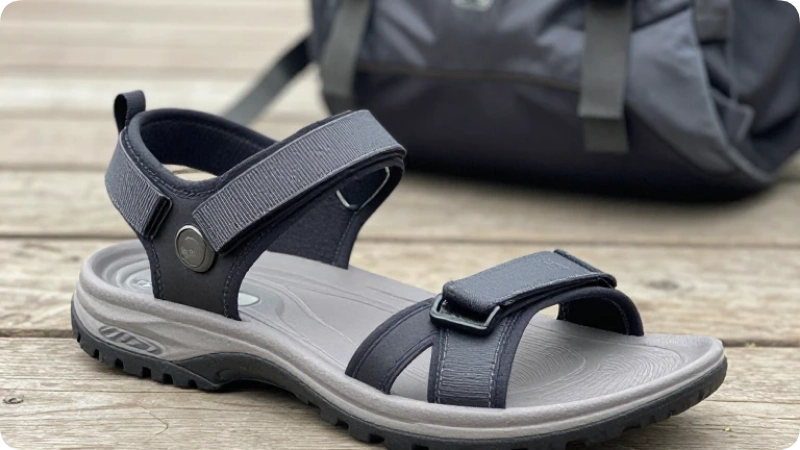
A travel ready walking sandal needs three things working together: a contoured footbed for arch support, a non slip rubber outsole, and straps that adjust at the heel and instep so the foot doesn’t shift. Without all three, a sandal that looks comfortable in the store can still cause blisters by hour three of sightseeing.
Brands such as Teva, Chaco, KEEN, and Xero Shoes build their travel lines around these features, which is why they show up repeatedly in airport carry on packing lists and hiking forums. A sandal missing arch support most flip flops, for example works fine for a beach boardwalk but falls apart on a six mile city walking tour.
Sport Sandals vs. Slide Sandals vs. Minimalist Sandals
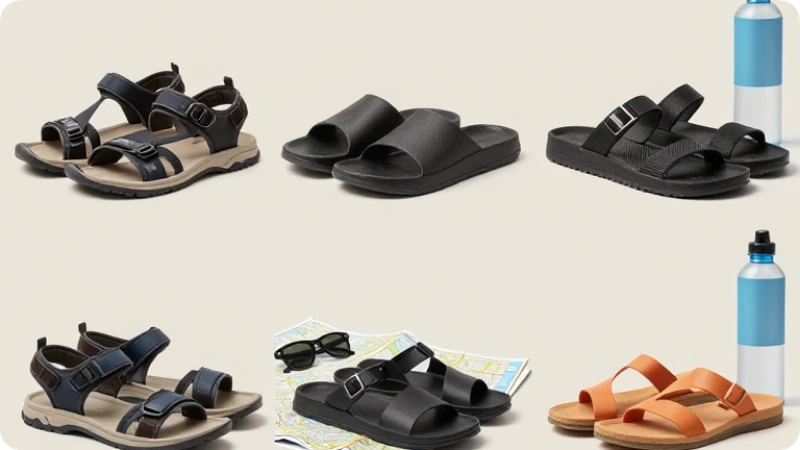
Sport sandals, slides, and minimalist sandals each suit a different kind of travel day, and picking the wrong category is the most common packing mistake. The table below breaks down which style fits which trip.
| Sandal Type | Best For | Example Brands | Drawback |
| Sport sandals (strapped) | Hiking, river crossings, long walking tours | Chaco, Teva, KEEN | Bulkier in a suitcase |
| Slide sandals | Beach days, hostel showers, short errands | Birkenstock, Adidas Adilette | Less ankle security |
| Minimalist sandals | Walking heavy trips, hot climates, those wanting a barefoot feel | Xero Shoes, Bedrock | Less cushioning for bad knees |
| Sport flip flops | Casual sightseeing, warm weather cities | OluKai, Reef | Minimal arch support |
For a trip combining cobblestones, museum floors, and the occasional trail, a strapped sport sandal is the safest single choice. Travelers heading somewhere hot and flat, like a beach town in Florida or a desert town in Arizona, can lean toward a slide.
Top Walking Sandal Brands for 2026 Travel
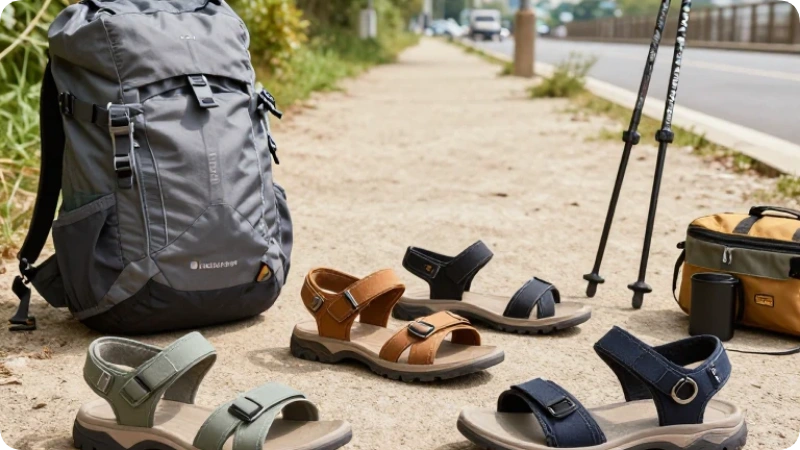
Teva, Chaco, KEEN, Birkenstock, and Xero Shoes remain the five most recommended walking sandal brands for travel this year, each known for a distinct fit and durability profile. Chaco and Teva dominate active travel and national park gear lists, while Birkenstock and Xero Shoes lead among city walkers who want all day comfort without a sporty look.
- Chaco Z/Cloud adjustable strap system, popular with through hikers and national park visitors.
- Teva Hurricane XLT2 lightweight, quick drying, a long time favorite for river hikes and water activities.
- KEEN Newport H2 closed toe protection, good for rocky trails and rainy city walking.
- Birkenstock Arizona cork footbed that molds to the foot, ideal for European city travel.
- Xero Z Trail minimalist and ultralight, a favorite for travelers prioritizing pack weight.
How to Break In Walking Sandals Before a Trip
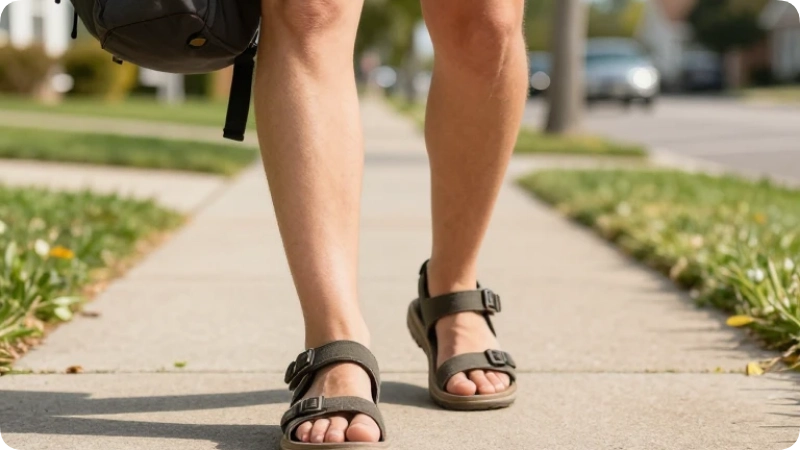
Walking sandals should be worn for at least one to two weeks of regular errands before a trip, since even high quality straps need time to soften against the skin. Breaking them in at home not on day one of vacation is the single biggest factor in avoiding blisters.
A simple approach: wear the sandals around the house for short stretches, then take them on a grocery run, then a longer neighborhood walk. By the time departure day arrives, the straps should feel familiar rather than stiff.
Sizing and Fit Tips for Travel Sandals
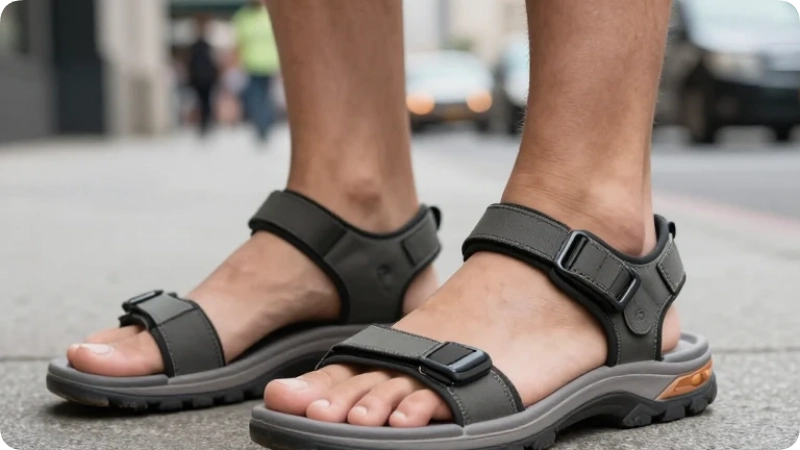
A properly fitted walking sandal keeps the heel from sliding backward and leaves about a thumb’s width of space at the toes. Sandals that run even slightly long cause the foot to slide forward on downhill stretches, which is where most travel blisters start.
Trying sandals on in the afternoon, when feet are naturally a bit more swollen than in the morning, gives a more realistic fit for a full day of walking. Anyone between sizes should generally size up rather than down, especially with sport sandals that have less stretch in the straps.
Packing Strategy: How Many Pairs of Sandals to Bring
Most trips only need two sandal pairs: one supportive walking pair for daily activity and one lightweight backup for evenings, showers, or beach time. Packing more than that adds unnecessary weight, especially for carry on only travelers.
A practical packing combo looks like this:
- Primary walking sandal for sightseeing, transit days, and light trails.
- Lightweight slide or flip flop for hostel showers, pool decks, or short hotel to restaurant walks.
Travelers heading into mixed terrain say, a national park trip followed by a coastal stretch can add a closed toe water sandal like the KEEN Newport H2 as a third option.
Walking Sandals for Different Climates
Hot, humid destinations call for breathable straps and quick dry materials, while cooler shoulder season trips do better with a sandal that pairs well with thick socks. Sandals with mesh or webbing straps, like the Teva Hurricane line, dry fastest after rain or river crossings.
For destinations with chilly mornings and warm afternoons common in spring and fall across much of the U.S. a sandal with a slightly closed toe, like KEEN’s hybrid styles, bridges both temperature swings without requiring a shoe change.
Best Time of Year to Rely on Walking Sandals
Late spring through early fall is the most reliable window for sandal based travel across most of the U.S., with peak comfort in the 65 85°F range. Shoulder seasons (April May and September October) often bring the best mix of mild weather and lighter crowds at major parks and coastal towns.
Summer remains peak season for sandal travel but also brings the most foot swelling and sunburned feet, so sunscreen on the tops of the feet is worth remembering. Off season winter trips usually call for closed shoes instead, except in warm weather states like Florida, Arizona, or Hawaii.
Where Walking Sandals Work Best on a Trip
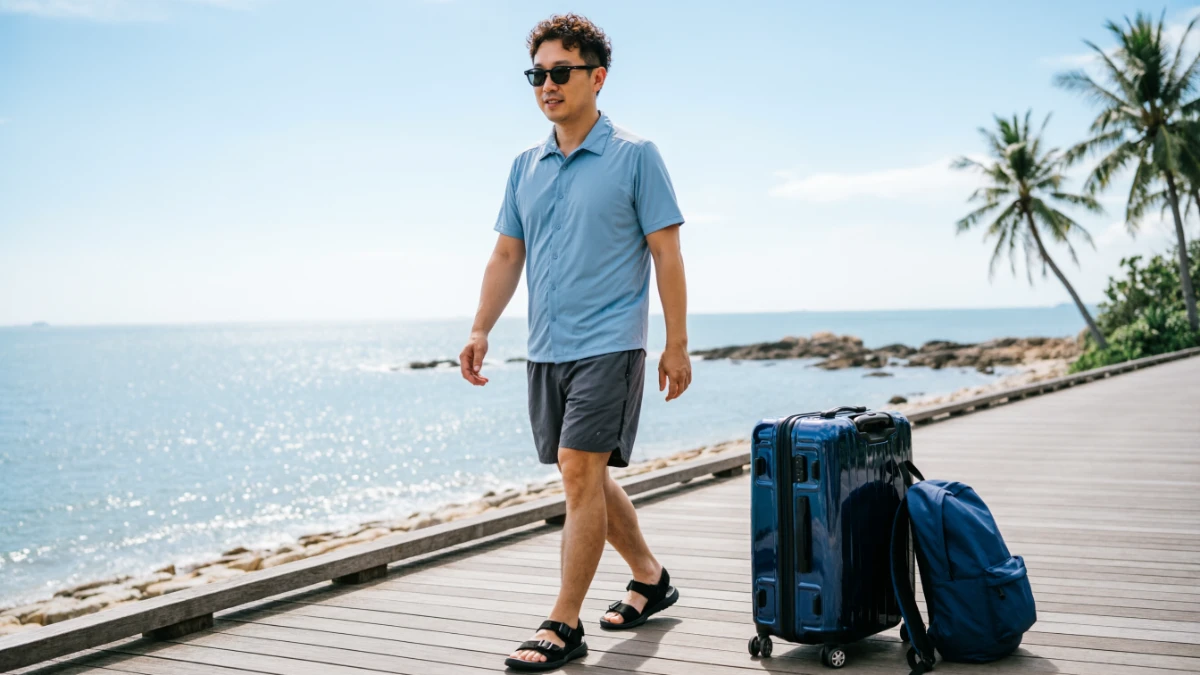
Walking sandals perform best in National Parks with maintained trails, coastal boardwalks, and historic downtown districts with paved or cobblestone streets. They are less ideal for steep, loose rock trails or muddy backcountry routes, where a closed hiking shoe offers better ankle protection.
Cities like Charleston, San Diego, and Savannah known for flat, walkable historic districts are especially sandal friendly. National Park visitor centers, including those run by the National Park Service (NPS), often post trail specific footwear advice worth checking before a hike.
5 Insider Tips for Travel Sandal Comfort
- Apply a small amount of moleskin or blister tape to known hot spots before a long walking day, not after the blister forms.
- Rinse sandals with fresh water after beach or saltwater use to keep straps from stiffening.
- Pack a tiny tube of anti chafe balm for strap lines on hot, sweaty days.
- Rotate between two pairs on multi day trips so each pair fully dries overnight.
- Check the outsole tread before a trip worn down lugs lose grip fast on wet tile or marble floors.
3 Hidden Gems for Sandal Friendly Walking Trips
- Beaufort, South Carolina flat, shaded historic streets perfect for all day sandal wear, with far fewer crowds than nearby Charleston.
- Hot Springs National Park, Arkansas paved Promenade walkways make this one of the most sandal friendly national parks in the country.
- Bisbee, Arizona a walkable former mining town with mild desert evenings, ideal for breathable sandals in shoulder season.
3 Common Sandal Travel Mistakes (and How to Fix Them)
- Wearing brand new sandals on day one. Fix: break them in for at least a week before departure.
- Packing only one pair. Fix: bring a backup slide or flip flop for showers and evenings.
- Ignoring sock options. Fix: pack a thin pair of toe socks or trail socks for cooler mornings or extra blister protection.
Safety and Foot Health While Walking in Sandals
Open sandals offer less protection against rocks, uneven curbs, and sudden weather, so travelers should avoid them on unfamiliar trails after dark or during heavy rain. The CDC notes that foot injuries and blisters are among the most common minor travel health issues, particularly on walking heavy trips.
Travelers with diabetes or circulation issues should consult a doctor before relying heavily on open toe sandals for long walking days, since reduced sensation can mask early blister formation.
TSA and Airport Considerations for Walking Sandals
Sandals are airport friendly footwear since the TSA generally requires shoes to be removed at security checkpoints regardless of style, and sandals slip on and off faster than lace up shoes. This makes them a practical choice for travelers passing through multiple security lines on connecting flights.
TSA policies can change, so travelers should check the current guidance on tsa.gov before departure, especially around TSA PreCheck eligibility and footwear rules.
Accessibility and Comfort for Travelers with Foot Conditions
Travelers with plantar fasciitis, bunions, or wide feet often do better with brands offering removable or extra wide footbeds, such as KEEN’s wide fit styles or Birkenstock’s wider Arizona option. A podiatrist recommended insole can also be swapped into many sport sandals with a removable footbed.
Those managing chronic foot pain should prioritize arch support over style, since a flatter, unsupportive sandal can worsen existing conditions over a multi day trip.
Budget Breakdown: What Walking Sandals Cost
Quality travel walking sandals typically range from $45 to $130, with most reliable mid range options landing between $60 and $90. Budget slides cost less but usually sacrifice arch support, while premium hiking sandals like Chaco’s Z/Cloud line sit at the higher end for their durability and warranty programs.
| Price Range | What to Expect |
| $25 $45 | Basic slides, minimal support, fine for short trips |
| $60 $90 | Mid range sport sandals with good arch support |
| $100 $130 | Premium hiking sandals with long warranties |
Sustainable and Responsible Sandal Choices
Several major sandal brands now offer recycled material straps or repair programs, which extends the life of a pair and reduces landfill waste from worn out footwear. Chaco’s resole program and Xero Shoes’ repairable strap systems are two examples worth considering for frequent travelers.
Buying one durable, repairable pair instead of replacing cheap sandals every season is both a budget friendly and lower impact choice over several years of travel.
Are Walking Sandals Worth It for a Trip?
Walking sandals are worth it for most warm weather trips involving five or more miles of daily walking, especially in coastal towns, national parks with paved trails, and historic walkable downtowns. They are less worth it for cold climate trips, technical hiking, or destinations requiring formal dress codes.
What’s overrated: ultra minimalist sandals for travelers without strong ankle stability. What’s underrated: a properly broken in sport sandal with a contoured footbed, which often outperforms sneakers on hot, humid walking days.
Sample One Week Packing Checklist for Sandal Based Travel
- 1 primary sport sandal (broken in)
- 1 lightweight slide or flip flop
- 1 pair of thin trail socks
- Small blister tape or moleskin kit
- Travel size anti chafe balm
- Foldable tote for wet or sandy sandals
FAQs
Are walking sandals good for all day sightseeing?
Yes, as long as they have arch support and adjustable straps. A well fitted sport sandal from Teva, Chaco, or KEEN can comfortably handle 15,000 20,000 steps a day for most travelers.
Do walking sandals work for hiking?
They work well on maintained, paved, or gravel trails common in many national parks, but closed hiking shoes are safer on steep, rocky, or muddy backcountry routes.
Can walking sandals be worn with socks?
Yes, thin trail or toe socks pair well with strapped sandals, especially in cooler mornings or for extra blister protection on long walking days.
How long do travel walking sandals last?
Most quality pairs last one to three years of regular travel use, depending on outsole wear and strap material; checking tread depth before each trip helps catch wear early.
What’s the difference between Chaco and Teva sandals?
Chaco sandals tend to offer firmer arch support and a more adjustable strap system, while Teva sandals are typically lighter and quicker to dry, making them popular for water heavy trips.
Should I size up or down for travel sandals?
Most travelers should size up slightly if between sizes, since feet swell during long walking days and a tight sandal causes more blisters than a slightly loose one.
Are sandals allowed through TSA airport security?
Yes, sandals are allowed and generally speed up the security process since they slip off easily; travelers should check tsa.gov for current footwear screening rules before their trip.
Final Thoughts
The right walking sandals turn long travel days from something to endure into something to enjoy.
Three takeaways stand out: choose a strapped sport sandal with real arch support, break it in well before departure, and always pack a lightweight backup pair for evenings and showers.
Comfortable feet make for better photos, longer exploring, and fewer mid trip pharmacy stops.
Before the next trip, it’s worth testing a pair on a few long walks at home. The difference shows up the moment those city streets or trailheads start racking up the miles.

Maya Lin inspires travelers to explore the globe with absolute confidence and independence. Armed with a background in digital media and a decade of independent solo travel experience, she knows exactly how to navigate unfamiliar cities smoothly and safely. For Travelmarse, Maya curates the solo travel and hidden-gem verticals. She reviews charming boutique hotels, designs smart neighborhood walking routes, and shares practical language-learning hacks, giving readers the exact tools they need to travel solo without the stress.