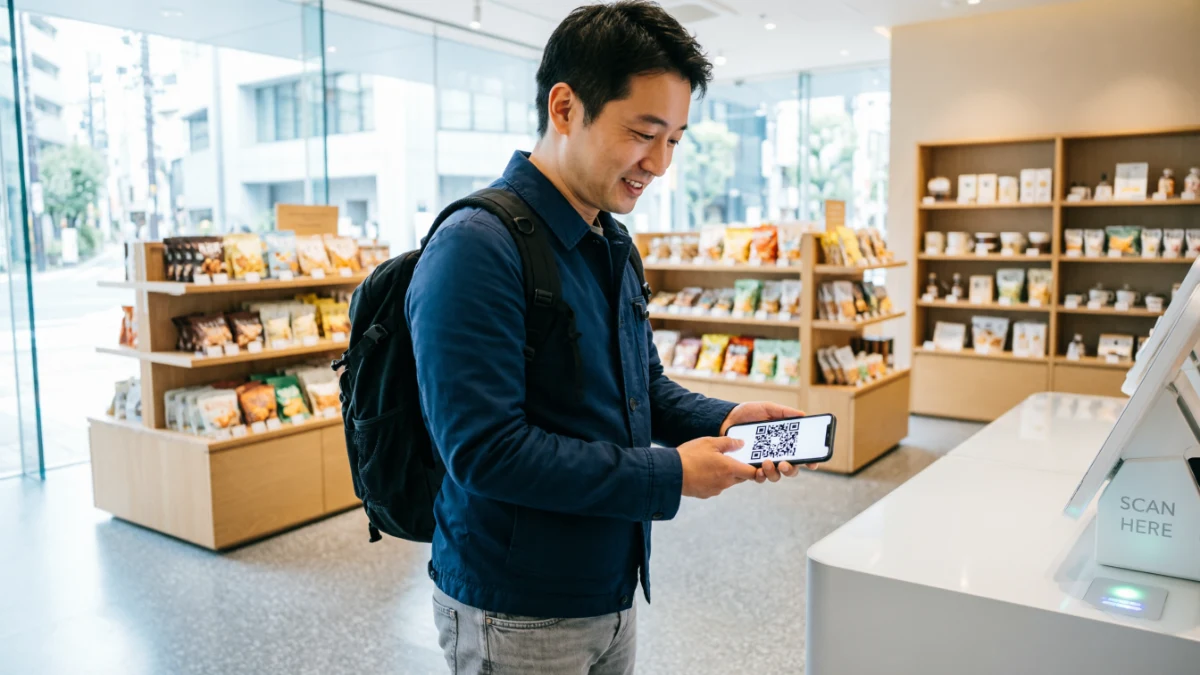
Standing in a Don Quijote checkout line at 9 p.m., digging through a backpack for a passport while a cashier waits, is not how anyone wants to spend a Tokyo evening. Shoppers who skip the tax-free QR code often lose ten or fifteen minutes per stop, and that adds up fast across a two-week trip.
This guide breaks down exactly when the tax-free QR code helps, when it doesn’t matter, and how Japan’s biggest tax-free shopping overhaul in years changes the process starting November 2026. Every step below reflects the current rules and the confirmed 2026 update, with notes on where to double-check official sources before departure.
Quick answer:
Yes, most shoppers should set up the Visit Japan Web tax-free QR code before their trip. It speeds up checkout, skips repeated passport scans, and links directly to Japan’s new refund system launching November 1, 2026. It is optional but saves real time at busy stores and airports.
Quick Facts: Tax-Free QR Code in Japan
| Detail | Information |
| Tool name | Visit Japan Web (VJW) tax-free QR code |
| Cost | Free |
| Required? | No, a physical passport works too |
| Minimum purchase | ¥5,000 before tax, same store, same day |
| Tax saved | 10% (8% on food and non-alcoholic drinks, until the rule change) |
| Old system ends | October 31, 2026 |
| New refund system starts | November 1, 2026 |
| Where to register | vjw.digital.go.jp (official Japan government site) |
Should I Do the Tax-Free QR Code in Japan?
Setting up the QR code makes sense for travelers who plan to shop at multiple tax-free stores, since it removes the need to hand over a passport at every register. It matters less for someone making a single souvenir stop.
Frequent shoppers, families buying gifts in bulk, and anyone hitting big retailers like Don Quijote, Bic Camera, or Uniqlo benefit the most. Casual browsers who might buy one or two items can skip it and simply carry a passport instead.
The QR code does not change how much tax gets saved. It only changes how fast the process runs at checkout.
Visit Japan Web: What the Tax-Free QR Code Actually Is
Visit Japan Web is Japan’s official government portal for handling arrival paperwork, customs declarations, and tax-free shopping registration in one account. After entering passport details once, the site generates a QR code that participating stores scan instead of manually checking a passport.
The code bundles a traveler’s name, nationality, entry date, and passport number into a single scannable file. Store staff use it to confirm eligibility and log the purchase for customs.
Not every shop accepts it yet. Coverage keeps expanding, but smaller independent stores may still ask for a physical passport instead.
Will You Use a Tax-Free QR Code? How to Set It Up on Visit Japan Web
Setting up the code takes about five minutes and works best when completed before departure, though it can also be done after landing. The process links directly to a traveler’s entry stamp, so timing matters.
Steps to generate the tax-free QR code:
- Create a free account at vjw.digital.go.jp before the trip.
- Enter passport details, flight information, and traveler details.
- Answer “Yes” to the tax-free shopping option during registration.
- Complete immigration at the airport and get a passport stamp (request one manually at automated e-gates, since they often skip the physical stamp).
- Open Visit Japan Web after landing and generate the live tax-free QR code.
- Present the code at participating stores instead of a passport.
The code refreshes each session and stays tied to that entry stamp, so it needs to stay accessible for the full trip.
Is the Tax-Free QR Code Worth It in Japan?
For most visitors planning several shopping stops, the code is worth the five-minute setup because it consistently shaves time off checkout lines. It becomes especially useful in Tokyo, Osaka, and Kyoto’s busiest retail districts, where lines back up during peak afternoon and evening hours.
Pros:
- Faster checkout since staff scan instead of typing passport details
- No risk of forgetting a physical passport at the hotel
- Works across multiple stores without re-entering information
Cons:
- Requires a charged phone and stable internet at checkout
- Not accepted everywhere yet
- Adds an extra setup step before a trip that’s already full of planning tasks
Travelers without a reliable phone connection, or those making only one small purchase, likely won’t notice much difference either way.
Do I Need a QR Code for Tax-Free Shopping in Japan?
No, a QR code is not required. A physical passport still works at every tax-free store in Japan and remains the backup option if a phone dies or a store doesn’t support digital scanning.
The QR code exists purely as a convenience layer on top of the existing system. Anyone uncomfortable with digital tools, or traveling without consistent data access, can rely on paper documents the entire trip.
Should You Use the Tax-Free QR Code? A Simple Decision Guide
| Traveler type | Recommended approach |
| Shopping at 3+ stores | Use the QR code |
| One or two small purchases | Passport alone works fine |
| No reliable phone data | Skip the QR code, carry passport |
| Traveling with family, splitting purchases | QR code saves the most time |
| Visiting mainly small local shops | Passport more widely accepted |
Match the choice to the actual shopping plan rather than defaulting to either option automatically.
Do I Need to Show My Tax-Free Items in Japan?
Yes, customs can request to see tax-free purchases before departure, and travelers should keep items accessible rather than buried in checked luggage. Officers have the legal right to inspect goods to confirm they’re leaving the country as declared.
Pack tax-free purchases in carry-on bags or an easily reachable spot until after clearing the customs desk or self-service kiosk. Checking them in before that step risks a rejected refund if an officer asks to verify the items.
What Happens If I Open a Tax-Free Bag in Japan? (2026 Rules)
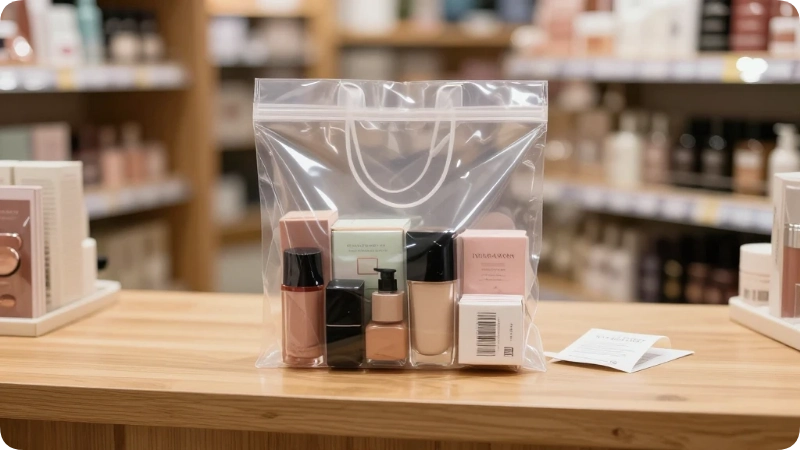
Opening a sealed consumables bag (cosmetics, food, medicine) while still in Japan currently voids the tax exemption, and customs can charge the owed tax on the spot at departure. This sealed-bag rule applies only to consumables, not general goods like clothing or electronics, which can be used freely during the trip.
Important update: Starting November 1, 2026, the sealed-packaging requirement for consumables is being phased out entirely under Japan’s new refund-based system. Until that date, though, the current sealed-bag rule still applies, so travelers flying before November 2026 should leave those bags untouched until after departure.
Always confirm current requirements on the official Japan Customs or National Tax Agency site close to departure, since enforcement details can shift during the transition period.
Do Foreigners Still Get Tax-Free in Japan?
Yes, foreign visitors on short-term tourist status remain eligible for tax-free shopping in Japan, and that won’t change under the November 2026 update. What changes is when the tax gets removed, not whether it’s available.
Eligibility still requires temporary visitor status (generally a tourist visa stamp of 90 days or less) and a minimum ¥5,000 purchase before tax at the same store on the same day.
Do I Need a Tax-Free QR Code on Japan Reddit? What Real Travelers Say
Travel forums and Reddit threads consistently report mixed store-by-store experiences with the QR code. Large chains like Uniqlo and Bic Camera tend to scan it smoothly, while smaller shops sometimes ask for a passport anyway or aren’t familiar with the system yet.
A recurring tip from frequent visitors: keep the physical passport on hand regardless, since not every cashier can process the digital code and some registers experience technical hiccups during busy hours.
How to Claim Tax-Free at Japan Airport: Step-by-Step
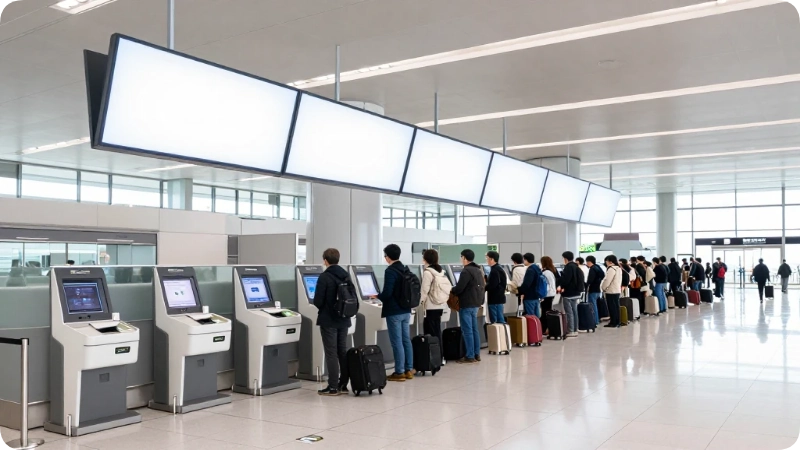
Claiming tax-free status at the airport looks different depending on travel dates, since the old and new systems overlap through October 2026.
Before November 1, 2026 (current system):
- Keep receipts and any sealed consumable bags accessible.
- Head to the customs desk or self-service kiosk before checking luggage.
- Scan a passport or QR code when prompted.
- Present items for inspection if asked.
- Proceed to check-in once cleared.
From November 1, 2026 (new refund system):
- Register purchases through the J-TaxRefund website or QR code at each store.
- Arrive at the airport with extra time, ideally three hours before an international flight.
- Scan a passport at a self-service kiosk or refund terminal.
- Let customs verify the purchase records and inspect goods if needed.
- Receive the refund through the selected payment method after approval.
Building in extra airport time matters more under the new system, since the refund step becomes mandatory rather than optional.
What Is the Tax-Free App in Japan?
Visit Japan Web functions as the main official app-like portal for tax-free shopping, immigration, and customs in one account, run directly by the Japanese government. Starting November 2026, a companion tool called J-TaxRefund also comes into play for registering purchases under the new refund system.
Neither tool costs anything to use. Both exist to reduce paperwork, though travelers can always opt for paper forms at the airport instead.
What Is the Duty-Free QR Code for Japan?
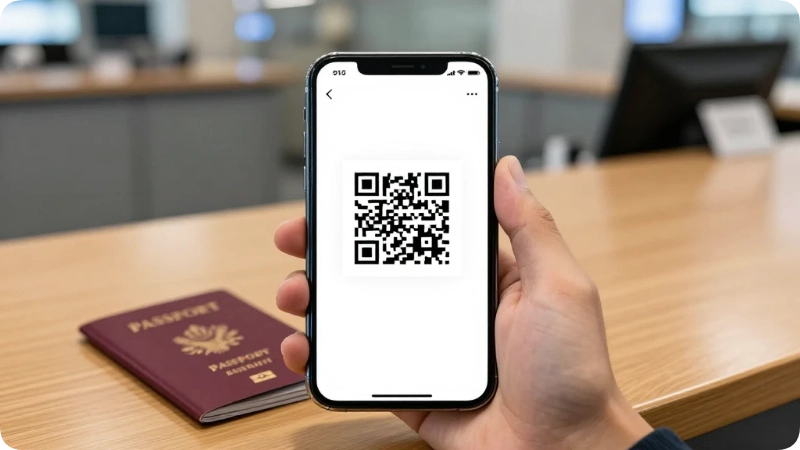
“Duty-free” and “tax-free” often get used interchangeably by travelers, but they refer to different things in Japan. Tax-free shopping happens at regular stores and removes Japan’s consumption tax on eligible purchases. Duty-free shopping happens only inside airport departure areas and removes both consumption tax and import duties on select goods like alcohol and tobacco.
The Visit Japan Web QR code applies specifically to tax-free store purchases, not airport duty-free counters, which typically use their own boarding-pass-based checkout process.
Can Foreigners Use QR Codes for Tax-Free Shopping, Clothes, and Shoes?
Yes, foreign tourists can use the QR code to buy general goods including clothing, shoes, bags, and electronics tax-free, and these items can be worn or used immediately during the trip. Unlike sealed consumables, general goods carry no restriction on use before departure.
The only requirement is meeting the ¥5,000 minimum spend per store per day and confirming temporary visitor status through the passport or QR code at checkout.
Do Customs Check Tax-Free Items in Japan? What’s the Allowance Limit?
Customs officers can select any traveler for inspection, though random spot checks are more common than checking every single visitor. There’s no fixed dollar cap on how much can be purchased tax-free overall, but each transaction must meet the ¥5,000 minimum, and consumables previously carried a combined ¥500,000 limit that’s being removed under the 2026 changes.
Officers focus mainly on confirming sealed bags remain unopened, and that declared items match what’s being carried out of the country.
Do You Need to Keep Packaging and Receipts for Tax-Free Japan?
Yes, keeping receipts and original sealed packaging until after clearing customs at departure remains the safest approach, even as digital registration reduces paperwork elsewhere. Under the new November 2026 system, receipts also help confirm purchase records if a kiosk scan doesn’t pull up everything correctly.
Losing a receipt doesn’t automatically cancel a refund under the new system, since purchases get logged digitally at the point of sale, but having the paper backup avoids delays at a busy kiosk.
What Can You Not Bring to Japan? Tax-Free Item Restrictions
Certain categories stay off-limits regardless of tax-free status, including fresh produce, some meat and dairy products, specific medications above personal-use quantities, and counterfeit goods. Buying restricted items tax-free doesn’t exempt them from Japan’s broader import and export laws.
Checking Japan Customs’ official prohibited and restricted items list before shopping avoids fines or confiscation, particularly for anyone planning to buy skincare, supplements, or specialty foods in bulk.
What Are the Tax-Free Changes in Japan 2026? Old vs. New System
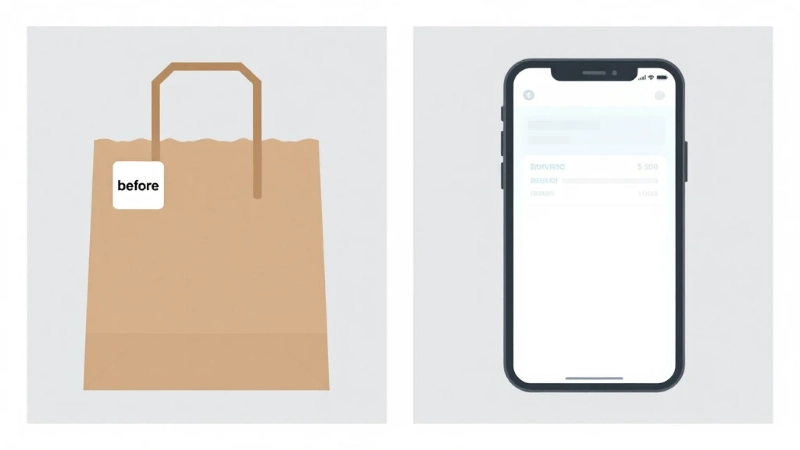
Japan’s Ministry of Finance, National Tax Agency, and Japan Tourism Agency are rolling out a new refund-based system on November 1, 2026, aimed at closing loopholes that let some high-value purchases dodge taxation.
| Feature | Current System (until Oct 31, 2026) | New System (from Nov 1, 2026) |
| Tax handling | Deducted instantly at checkout | Paid upfront, refunded later |
| Sealed bag for consumables | Required | Removed |
| Consumables vs. general goods | Separate rules | Combined into one category |
| Airport step | Optional in some cases | Mandatory for every refund |
| Refund method | Cash or immediate discount | Bank transfer or card refund |
| Deadline to claim | Same trip | Within 90 days of purchase |
Shoppers flying before November 2026 experience the current system in full. Anyone departing on or after that date should plan for extra airport time to complete the refund step.
Where to Find the Landing Permission QR Code in Japan
The landing permission QR code (sometimes called the immigration or arrival QR code) generates automatically inside Visit Japan Web after completing the disembarkation card section, separate from the tax-free QR code. It appears on the “Japan Entry/Return Procedure Screen” once passport and flight details are entered.
This code gets scanned at immigration upon arrival, not at retail stores. The tax-free shopping QR code only becomes available afterward, since it depends on that entry stamp being confirmed first.
Common Mistakes With the Tax-Free QR Code (and How to Fix Them)
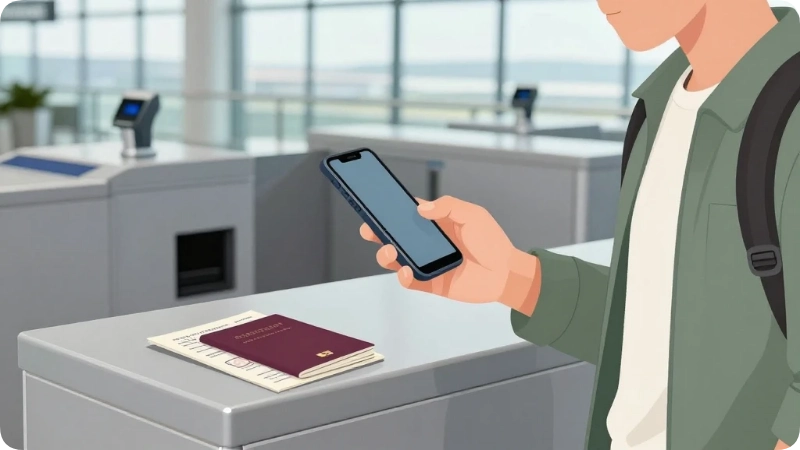
- Skipping the manual stamp at automated e-gates. Automated gates often don’t leave a physical stamp, which blocks the tax-free QR code from generating. Fix: ask an immigration officer for a manual stamp right after using an e-gate.
- Letting the phone battery die before shopping. No charge means no QR code access at checkout. Fix: carry a portable charger and screenshot the code as backup.
- Opening sealed consumables bags out of habit. This voids the exemption under current rules. Fix: leave sealed bags untouched until boarding the departure flight.
What to Watch Out For in Japan: Budget and Practical Tips
Beyond tax-free shopping, a few practical details make a Japan trip run smoother. Budget varies widely by travel style, but a mid-range week for one traveler, covering hotels, meals, local transport, and some shopping, commonly lands in the $1,500–$2,500 range, excluding flights.
Money-saving tips:
- Combine purchases at one store to hit the ¥5,000 tax-free minimum faster.
- Use a prepaid IC card (Suica or Pasmo) for transit instead of buying single tickets.
- Compare convenience store meals with sit-down restaurants for lunch savings.
Time-saving tips:
- Set up Visit Japan Web before departure rather than at the airport.
- Arrive at least three hours early for international flights departing after November 2026.
- Screenshot every QR code as backup before leaving the hotel each day.
Alternatives to the Tax-Free QR Code
Travelers who’d rather skip the digital setup have two solid alternatives. Carrying a physical passport to every tax-free store works exactly as it always has, and it remains fully accepted everywhere the QR code is.
A second option involves paying full price and requesting a refund at a department store’s tax-free counter, common in larger shopping centers like Takashimaya or Isetan. Under the new November 2026 system, this pay-first approach becomes the standard process for everyone, not just an alternative.
FAQs
Is the tax-free QR code worth it in Japan?
It’s worth it for travelers hitting multiple stores, since it replaces repeated passport scans with a quick code scan. Casual shoppers making one or two purchases likely won’t notice much time savings either way.
Do I need a QR code for tax-free shopping in Japan?
No, a QR code isn’t required. A physical passport works at every participating tax-free store and serves as the reliable backup if a phone runs out of battery or loses signal.
Do customs check tax-free items in Japan?
Yes, customs officers can request to see tax-free purchases before departure, though not every traveler gets a full inspection. Keeping items in carry-on bags rather than checked luggage makes this step faster if selected.
What happens if I open a tax-free bag in Japan?
Opening a sealed consumables bag before leaving Japan currently voids the tax exemption and can trigger an on-the-spot tax charge at departure. This rule applies to consumables like cosmetics and food, not general goods like clothing.
Do foreigners still get tax-free in Japan?
Yes, tax-free shopping remains fully available to eligible foreign visitors, and the November 2026 changes affect the process, not eligibility itself. Temporary visitor status and the ¥5,000 minimum purchase still apply.
How to claim tax-free at a Japanese airport?
Head to the customs desk or self-service kiosk before checking luggage, scan a passport or QR code, and present items if requested. Starting November 2026, this step becomes mandatory for receiving the tax refund rather than optional.
What is the tax-free app in Japan?
Visit Japan Web serves as the main official portal for tax-free shopping, immigration, and customs, run by the Japanese government at no cost. A companion tool called J-TaxRefund supports the new refund process starting November 2026.
Can foreigners use QR codes for duty-free shopping too?
The Visit Japan Web QR code applies to tax-free store purchases, not airport duty-free counters. Duty-free shopping inside departure areas typically runs through a separate boarding-pass-linked checkout process.
Do I need to keep tax-free receipts in Japan?
Keeping receipts until after clearing customs at departure is the safest habit, even though purchases also get logged digitally. Receipts help resolve any mismatch if a kiosk scan doesn’t pull up complete records.
Is $5,000 enough for a week in Japan?
For one traveler on a mid-range budget covering hotels, food, transit, and some shopping, $5,000 for a week is generous and leaves room for tax-free purchases. Budget travelers can comfortably manage a week for less, closer to $1,000–$1,500 excluding flights.
Can I wear tax-free clothes and shoes in Japan before leaving?
Yes, general goods like clothing and shoes carry no restriction on use once purchased tax-free. Only sealed consumables like cosmetics, food, and medicine need to stay unopened until departure under current rules.
Final Takeaways
The tax-free QR code isn’t mandatory, but it saves real time for anyone shopping at more than a couple of stores during a Japan trip. A physical passport always works as backup, and that matters most for travelers who’d rather not depend entirely on phone battery and Wi-Fi.
The bigger shift to watch is the November 1, 2026 switch to a pay-first, refund-later system, which changes airport timing far more than it changes everyday shopping. Setting up Visit Japan Web before departure, keeping receipts handy, and building extra airport time into a post-November itinerary covers the essentials either way.
Double-check the official Visit Japan Web site and Japan Customs page close to departure, since operational details for the new refund system are still being finalized. A few minutes of setup before the trip means more time exploring and less time explaining a passport search to a patient cashier.

Maya Lin inspires travelers to explore the globe with absolute confidence and independence. Armed with a background in digital media and a decade of independent solo travel experience, she knows exactly how to navigate unfamiliar cities smoothly and safely. For Travelmarse, Maya curates the solo travel and hidden-gem verticals. She reviews charming boutique hotels, designs smart neighborhood walking routes, and shares practical language-learning hacks, giving readers the exact tools they need to travel solo without the stress.