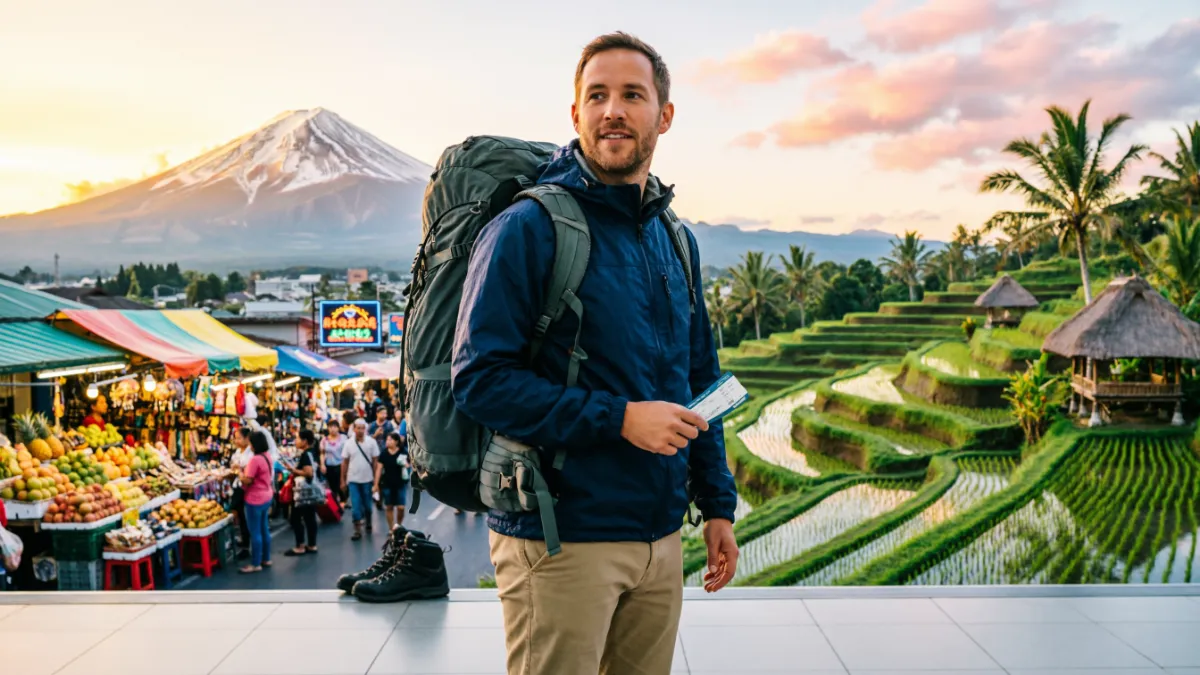
Quick Answer: The best places to travel in Asia for USA travellers include Japan (Tokyo, Kyoto), Thailand (Bangkok, Phuket), Vietnam (Hanoi, Ha Long Bay), Indonesia (Bali), and South Korea (Seoul). Each destination offers unique culture, affordable costs, and direct or one stop flights from major US gateway cities like Los Angeles, San Francisco, and New York.
Planning a trip across the Pacific can feel overwhelming. Between long flight times, visa rules, time zone changes, and dozens of countries to choose from, many US travellers freeze before they even book a ticket.
The good news is that finding the best places to travel in Asia doesn’t have to be complicated once you know which destinations match your travel style, budget, and the season you’re flying.
This guide breaks down the top Asian destinations for Americans, covering flights, costs, safety, culture, and sample itineraries. If this is a first international trip or a long awaited return to the region, the goal here is to make planning simple and the trip unforgettable.
Quick Facts Table: Asia Travel Snapshot for US Travelers
Asia spans 48 countries, but a handful consistently top US traveler wish lists for value, safety, and accessibility. Flight times from the West Coast range from about 10 to 15 hours nonstop. Most popular destinations use a tropical or subtropical climate pattern, with monsoon seasons affecting Southeast Asia from roughly May through October.
| Destination | Best For | Flight Time (West Coast) | Visa for US Citizens |
| Japan | Culture, food, first timers | ~11 hrs | Visa free up to 90 days |
| Thailand | Beaches, budget travel | ~17 hrs (1 stop) | Visa free up to 60 days |
| Vietnam | Adventure, value | ~16 hrs (1 stop) | E visa required |
| Indonesia (Bali) | Honeymoons, wellness | ~19 hrs (1 stop) | Visa on arrival |
| South Korea | Cities, K culture fans | ~12 hrs | Visa free up to 90 days |
Visa rules change often. Always verify current requirements on the US State Department travel site or the destination country’s official embassy page before booking.
Best Time to Visit Asia from the USA
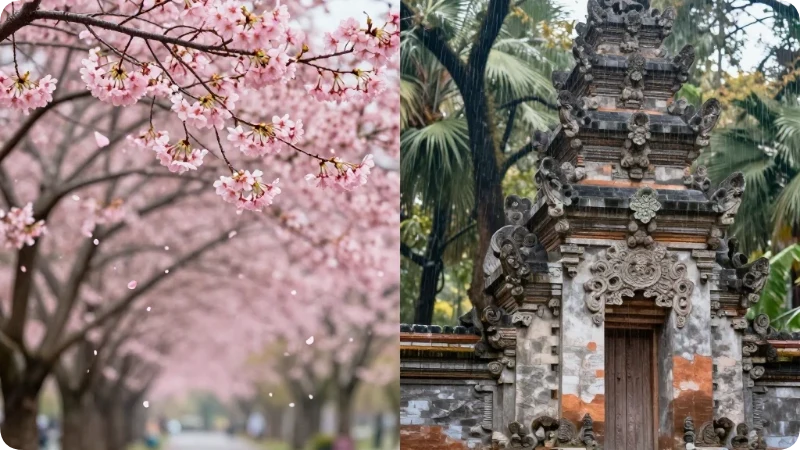
The ideal time to visit most of Asia falls between November and March, when Southeast Asia enjoys dry, cooler weather and Japan and Korea move through pleasant fall into winter or spring conditions. Peak season brings higher flight and hotel prices, while shoulder seasons in April May and September October offer a strong balance of good weather and lower costs.
Seasonal breakdown:
- Peak season (Dec Feb): Best weather across Southeast Asia, but higher prices and bigger crowds at major sites.
- Shoulder season (Mar May, Sep Nov): Fewer tourists, often lower hotel rates, generally good weather.
- Off season/monsoon (Jun Aug): Heavy rain in much of Southeast Asia, but cherry blossom season in Japan (Mar Apr) and lower airfare in many markets.
Travelers chasing Japan’s cherry blossoms should target late March to early April, while those headed to Bali or Thailand should aim for July through August for the driest stretch in those specific regions, since local microclimates vary.
How to Get to Asia from the United States
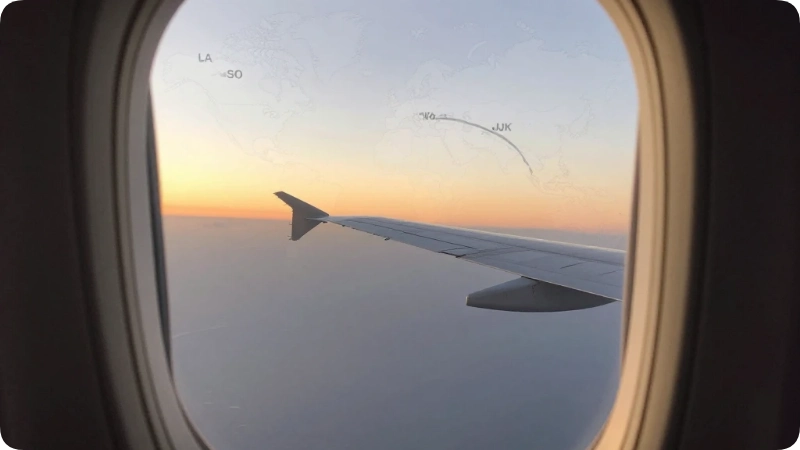
Most US travelers reach Asia through major gateway hubs like Los Angeles International (LAX), San Francisco International (SFO), or New York’s JFK, often connecting through hubs like Tokyo Narita, Seoul Incheon, or Doha. Direct flights exist from the West Coast to Tokyo, Seoul, and Shanghai, while Southeast Asia destinations typically require one layover.
Booking three to five months ahead generally secures the best fares for peak season travel. Airlines like ANA, Japan Airlines, Korean Air, and United operate reliable nonstop routes, and budget carriers like Scoot or AirAsia can cut costs for travelers willing to add a connection within Asia itself.
Transport Options Once You Arrive
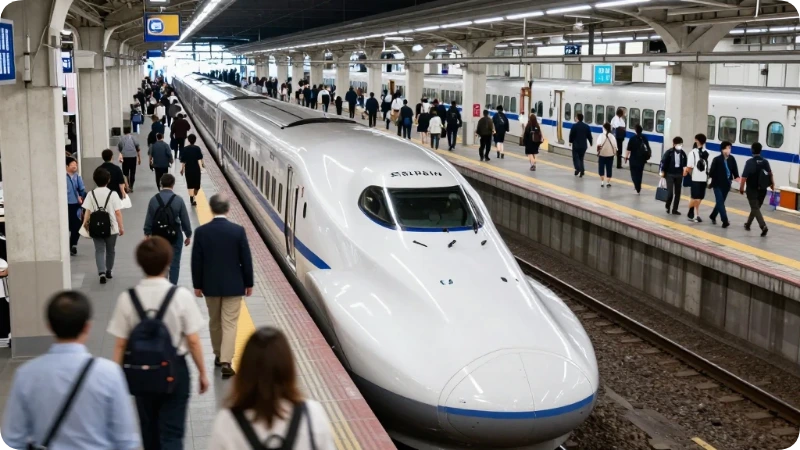
Asia’s public transportation networks rank among the most efficient in the world, with Japan’s rail system and Singapore’s MRT setting the global standard. High speed trains, low cost regional flights, and ride hailing apps like Grab make getting around fast and affordable in most major cities.
- Japan: The Japan Rail Pass covers bullet trains (Shinkansen) and is worth it for multi city trips.
- Thailand & Vietnam: Grab (similar to Uber) works well in cities; overnight trains and budget flights connect regions.
- South Korea: The T money card covers subways, buses, and even some taxis.
Money saving tip: Buying multi day transit passes in Tokyo, Seoul, or Bangkok almost always beats paying per ride for travelers planning more than three trips a day.
Where to Stay Across Asia’s Top Destinations
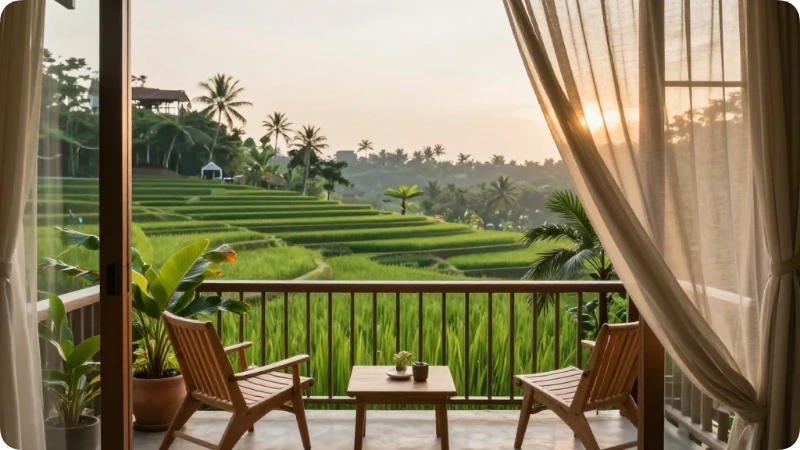
Accommodation in Asia ranges from $15 a night hostels to five star resorts, often at a fraction of equivalent US pricing. Bangkok, Hanoi, and Bali offer especially strong value, while Tokyo and Singapore run closer to US city rates for comparable quality.
Boutique hotels and well reviewed guesthouses are widely available through major booking platforms, and travel insurance that covers trip interruption is worth considering given the long flight distances involved. Readers should always check current listings and reviews directly, since pricing and availability shift seasonally.
Budget Breakdown: What to Expect Daily
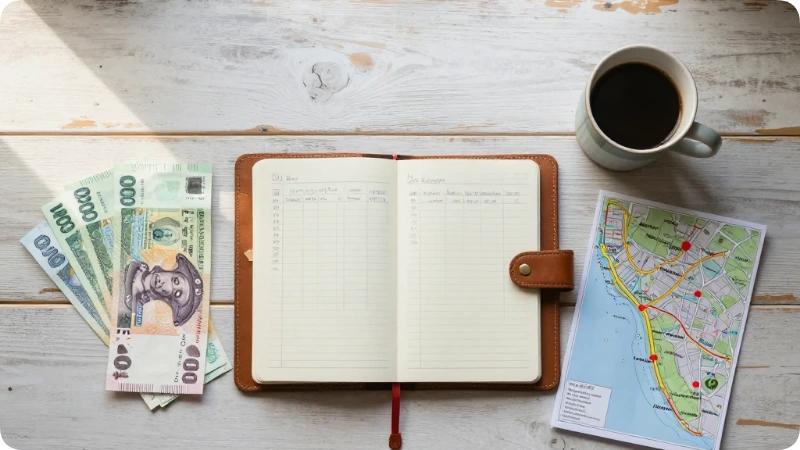
A realistic daily budget in Southeast Asia ranges from $30 $50 for budget travel, $75 $150 for mid range comfort, and $200+ for luxury experiences. Japan and South Korea run higher, with mid range daily budgets closer to $100 $200.
| Style | Thailand/Vietnam | Japan/Korea |
| Budget | $30 $50/day | $80 $100/day |
| Mid range | $75 $150/day | $150 $250/day |
| Luxury | $250+/day | $350+/day |
Time saving tip: Pre booking airport transfers and major attraction tickets online avoids long queues that can eat up half a travel day in cities like Tokyo or Bangkok.
Top Attractions Travelers Shouldn’t Miss
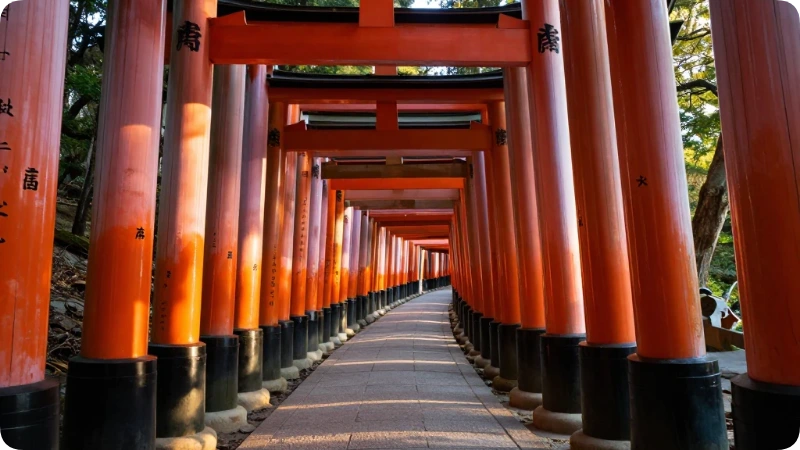
Asia’s signature attractions include Japan’s Mt. Fuji and Kyoto’s Fushimi Inari Shrine, Thailand’s Grand Palace in Bangkok, Vietnam’s Ha Long Bay, and Bali’s Uluwatu Temple. Each site reflects centuries of history and remains central to local culture, not just tourism.
- Fushimi Inari Shrine, Kyoto thousands of vermilion torii gates winding up a mountainside.
- Angkor Wat, Cambodia the largest religious monument in the world, best seen at sunrise.
- Ha Long Bay, Vietnam limestone karsts rising from emerald water, ideal for an overnight cruise.
Hidden Gems Most Tourists Miss
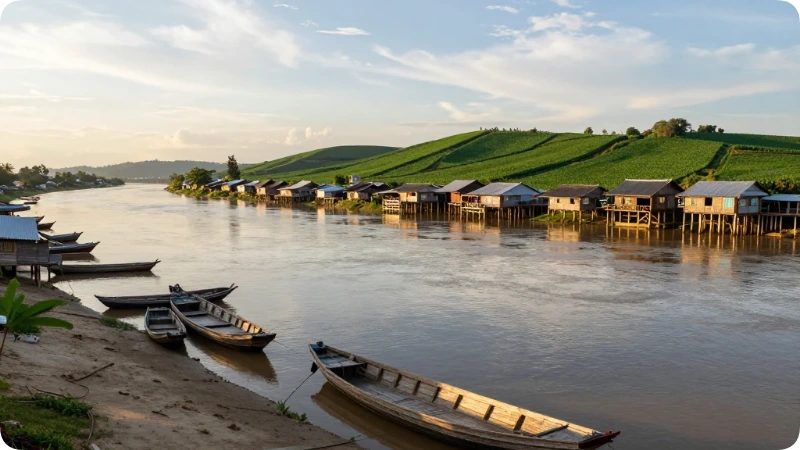
Beyond the headline attractions, Asia holds quieter destinations that deliver equally memorable experiences without the crowds. These places reward travelers willing to go slightly off the standard route.
- Kanazawa, Japan Often called a smaller, less crowded alternative to Kyoto, with a preserved samurai district and excellent seafood markets.
- Kampot, Cambodia A riverside town known for pepper plantations and a relaxed pace, far from Siem Reap’s tourist crush.
- Ubud’s rice terraces beyond Tegalalang Specifically the Jatiluwih terraces in Bali, which see a fraction of the visitors with equally stunning views.
Things to Do for Every Type of Traveller
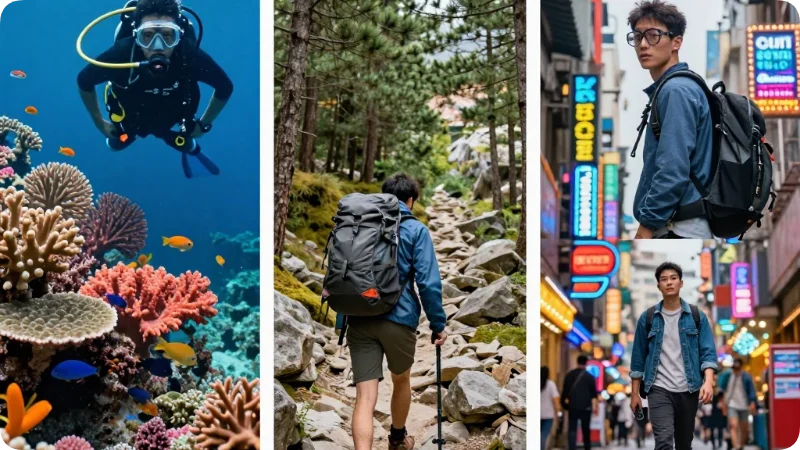
Asia accommodates nearly every travel interest, from temple hopping and street food tours to scuba diving, mountain trekking, and wellness retreats. Trekkers gravitate toward Nepal’s Annapurna Circuit or Vietnam’s Sapa region, while divers head to Indonesia’s Raja Ampat or Thailand’s Similan Islands.
City lovers can spend days exploring Tokyo’s neighborhoods, Seoul’s palaces, or Singapore’s Gardens by the Bay, while nature focused travelers might prioritize Borneo’s rainforests or Japan’s Japanese Alps.
Food and Dining: What to Expect
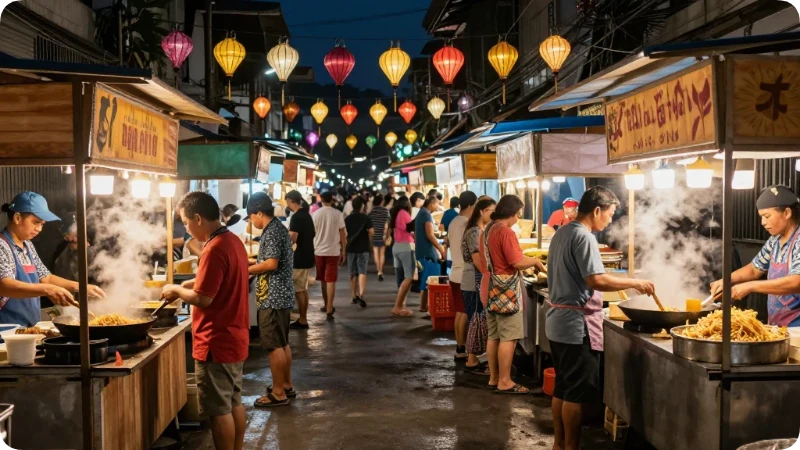
Asian cuisine varies dramatically by region, but street food culture remains a highlight across nearly every country, often offering the most authentic and affordable meals. Bangkok’s street stalls, Hanoi’s pho vendors, and Osaka’s takoyaki carts are as essential to the experience as any restaurant.
- Try regional specialties at local markets rather than hotel restaurants for better value and authenticity.
- Vegetarian and vegan options have expanded significantly in major cities, though rural areas may require more planning.
- Tap water safety varies by country; bottled or filtered water is recommended in most of Southeast Asia.
Culture and Etiquette Tips
Respecting local customs goes a long way in Asia, where etiquette around temples, dress codes, and greetings differs noticeably from US norms. Removing shoes before entering homes and certain temples, covering shoulders and knees at religious sites, and avoiding public displays of affection in conservative areas are common expectations.
In Japan, tipping is not customary and can even seem confusing to service staff. In Thailand, pointing feet at people or religious statues is considered disrespectful. Learning a few basic greetings in the local language is appreciated nearly everywhere.
Safety Tips for Asia Travel
Most popular Asian destinations are considered safe for US travelers, with petty theft and traffic accidents posing more realistic risks than violent crime. The US State Department publishes country specific travel advisories that should be checked before any trip.
- Use registered taxis or ride hailing apps rather than unmarked vehicles.
- Keep copies of your passport and visa documents stored separately from the originals.
- The CDC recommends checking destination specific vaccine guidance, particularly for parts of Southeast Asia, several months before departure.
Packing Advice for Asia
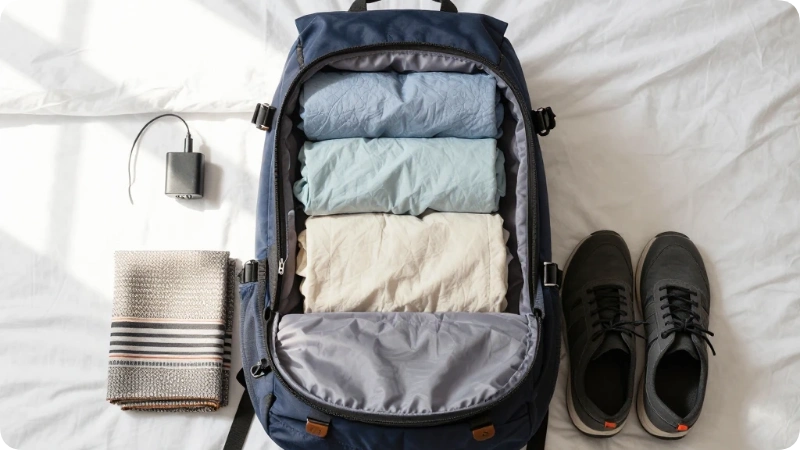
Packing for Asia depends heavily on the region and season, but lightweight, breathable clothing, a portable charger, and modest clothing for temple visits cover most scenarios. Southeast Asia’s heat and humidity call for moisture wicking fabrics, while Japan and Korea require layers for cooler months.
- A universal travel adapter (Asia uses several different plug types)
- A lightweight scarf or sarong for covering shoulders at religious sites
- Comfortable walking shoes that slip on and off easily for temple visits
Family Travel Tips
Asia can be highly family friendly, particularly Japan and Singapore, which offer excellent infrastructure, cleanliness, and child focused attractions like Tokyo Disneyland and Singapore’s zoo. Southeast Asia requires more planning around food safety and pacing for younger kids.
Shorter daily itineraries, accommodations with pools, and building in downtime between flights and sightseeing all help families avoid burnout on long Asia trips.
Solo Travel Tips
Asia ranks among the most popular regions globally for solo travelers, thanks to affordable hostels, well established backpacker routes, and generally welcoming local cultures. Thailand, Vietnam, and Japan each have strong solo traveler infrastructure, including hostel social events and well marked tourist routes.
Solo travelers should still share itineraries with someone at home, stick to well lit areas at night, and consider group tours for remote trekking routes.
Accessibility Considerations
Accessibility varies widely across Asia, with Japan, Singapore, and South Korea offering relatively strong infrastructure for travelers with mobility needs, while rural Southeast Asia can present more challenges. Major airports and train stations in these three countries generally include elevators, accessible restrooms, and platform assistance.
Travelers with specific accessibility requirements should contact hotels and tour operators directly in advance, since standards can differ significantly even within the same country.
Responsible Travel in Asia
Responsible travel in Asia means supporting local economies, respecting wildlife, and avoiding attractions that exploit animals, such as elephant riding camps that don’t follow ethical sanctuary standards. Choosing locally owned guesthouses and tour operators keeps more tourism revenue within communities.
Travelers can also reduce environmental impact by avoiding single use plastics where refill stations exist and being mindful of water use in drought prone areas like parts of Bali.
Common Mistakes US Travelers Make in Asia
Many first time visitors overpack their itinerary, trying to see too many countries in one trip instead of exploring fewer places more deeply. This often leads to exhaustion and missed opportunities to actually experience a destination.
- Mistake: Booking too many cities in one trip. Fix: Choose 2 3 destinations per two week trip.
- Mistake: Ignoring visa requirements until the last minute. Fix: Check entry rules at least 60 days before departure.
- Mistake: Skipping travel insurance. Fix: Purchase a policy covering trip interruption and medical evacuation given the flight distances involved.
Nearby Alternatives Worth Considering
Travelers drawn to Thailand might also enjoy Laos for a quieter, less developed version of the same region, while those considering Bali could explore Lombok, its less crowded neighboring island. The Philippines also offers comparable beach scenery to Indonesia with fewer crowds in many areas.
Sample 10 Day Itinerary: Japan Highlights
This sample itinerary balances cities, culture, and nature for first time visitors to Japan.
- Days 1 4: Tokyo Shibuya, Senso ji Temple, Tsukiji Outer Market, day trip to Mt. Fuji area.
- Days 5 7: Kyoto Fushimi Inari, Arashiyama Bamboo Grove, traditional tea ceremony.
- Days 8 9: Osaka Dotonbori food district, Osaka Castle.
- Day 10: Return travel Shinkansen back to Tokyo for departure flight.
Worth it? Yes Japan consistently ranks as one of the most rewarding first international trips for US travelers due to safety, cleanliness, and efficient transport. How long is needed? 10 14 days allows a realistic multi city pace without rushing. What’s overrated? Some travelers find Tokyo’s most famous shopping districts (like Harajuku’s main strip) overly crowded compared to quieter neighborhoods. What’s underrated? Smaller cities like Kanazawa or Takayama offer deep cultural immersion with a fraction of the tourist traffic.
FAQs
What is the best country in Asia to visit for first timers from the USA?
Japan is widely considered the easiest first time destination for US travelers due to excellent infrastructure, English signage in major cities, and a 90 day visa free entry policy. It blends modern convenience with deep cultural experiences in one trip.
How many days do you need to travel around Asia?
A single country trip works well in 7 10 days, while exploring multiple countries comfortably typically requires at least 3 4 weeks. Rushing between countries often reduces trip quality more than it adds value.
Is it expensive to travel in Asia from the US?
Flights are the biggest cost, often $700 $1,500 round trip, but on the ground expenses in Southeast Asia can run as low as $30 $50 per day. Japan and South Korea cost noticeably more once on the ground.
What is the safest country in Asia for tourists?
Japan and Singapore consistently rank among the safest countries globally for travelers, with low crime rates and reliable infrastructure. Always check current State Department advisories before booking, since conditions can change.
Do I need a visa to travel to Asia from the USA?
It depends on the country: Japan and South Korea allow visa free entry for up to 90 days, while Vietnam requires an e visa and Indonesia offers a visa on arrival. Requirements change periodically, so confirming directly with the embassy or official government site before booking is essential.
What is the best time of year to visit Southeast Asia?
November through March offers the driest, most comfortable weather across most of Southeast Asia, avoiding the heaviest monsoon rains. This period also coincides with peak season, so booking flights and hotels early helps secure better rates.
Can you see multiple Asian countries in one trip?
Yes, regional budget airlines make multi country trips affordable and practical, especially combining nearby destinations like Thailand, Vietnam, and Cambodia. Limiting the trip to 2 3 countries generally allows enough time to enjoy each one properly.
Final Takeaways
Asia rewards travellers who plan ahead, especially around visa requirements, seasonal weather, and realistic city counts per trip.
Three takeaways stand out: choose destinations based on season and interest rather than checklist tourism, budget realistically for both flights and daily costs, and always verify visa and safety information through official sources before departure.
If the goal is temple hopping through Kyoto, diving in Raja Ampat, or simply slowing down on a Bali beach, Asia offers a version of travel for nearly every kind of traveler.
The hardest part is usually just picking which destination to book first and that’s a pretty good problem to have.

Ben Fogle believes that true adventure begins where the pavement ends. After spending years documenting extreme environments, rowing across oceans, and trekking through frozen landscapes, he mastered the art of wilderness travel. For Travelmarse, Ben constructs highly detailed guides on deep-nature packing lists, wildlife safety, and sustainable eco-tourism. He breaks down intimidating, rugged expeditions into clear, step-by-step roadmaps so everyday travelers can safely connect with the natural world.