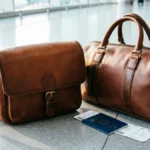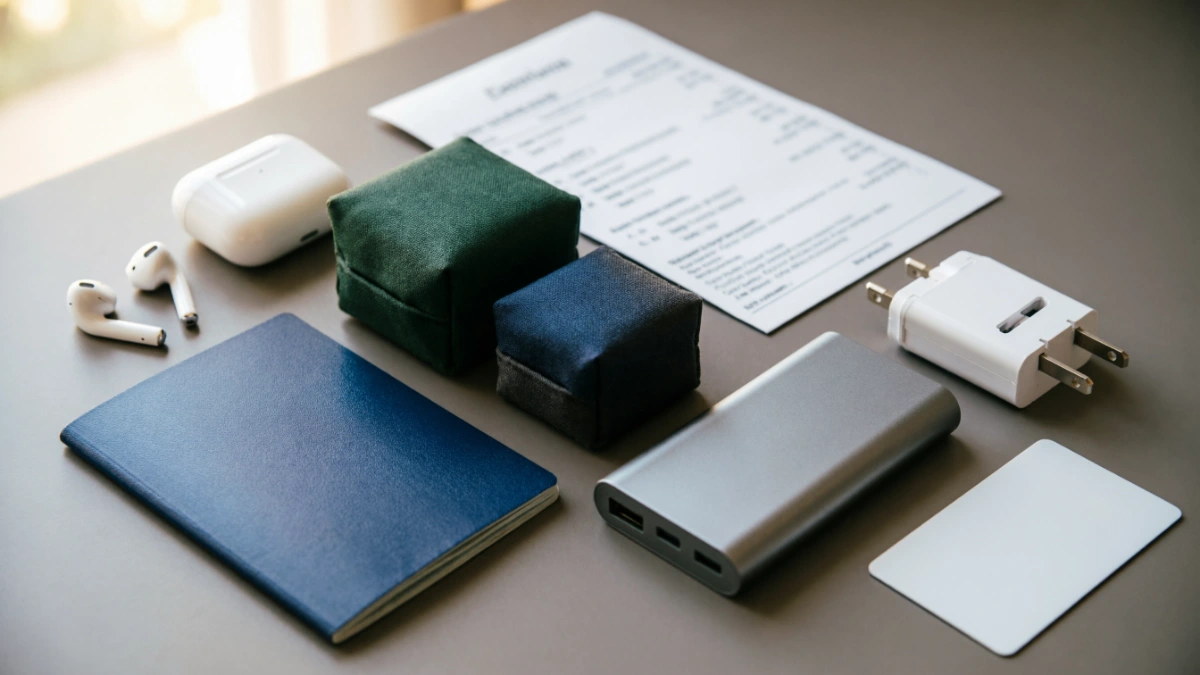
A travel tool kit is a curated collection of apps, documents, gear, and planning resources that every traveller assembles before a trip.
It covers five core categories: digital tools (apps and online platforms), physical essentials (gear and organisers), planning resources (checklists and booking tools), safety items, and money management tools.
Together, they cut stress, save time, and protect you from common travel disasters.
Why Every American Traveler Needs a Solid Travel Tool Kit
Packing the right sunscreen is the easy part. What catches most travelers off guard are the preventable headaches a missed flight because an airline app wasn’t downloaded, a dead phone at baggage claim, or a passport buried under three layers of carry on chaos. These aren’t bad luck; they’re the result of heading out without a reliable travel tool kit.
According to the U.S. Travel Association, Americans took over 2.3 billion domestic trips in a recent year, and the number of people traveling internationally from the U.S. continues to climb. With airports busier than ever and travel logistics growing more complex, the difference between a smooth trip and a nightmare often comes down to preparation. This guide walks through every layer of an effective travel tool kit the apps, the gear, the documents, and the insider habits that experienced travelers swear by. If you’re road tripping through national parks, flying coast to coast, or heading overseas, this is the foundation you need.
Quick Reference: Travel Tool Kit at a Glance
| Category | Must Have Items |
| Digital Tools | Flight tracker app, offline maps, translation app, VPN |
| Documents | Passport/ID, travel insurance card, itinerary printout, emergency contacts |
| Physical Gear | Packing cubes, portable charger, TSA approved lock, noise canceling earbuds |
| Money | Travel credit card (no foreign fees), small local cash, digital wallet |
| Safety | First aid kit, copies of IDs, STEP enrollment (international travel) |
| Health | Prescriptions, hand sanitizer, OTC medications, doctor’s note if needed |
Verify TSA rules, visa requirements, and airline policies directly with official sources before travel, as these change frequently.
The Digital Layer: Apps and Online Tools That Do the Heavy Lifting
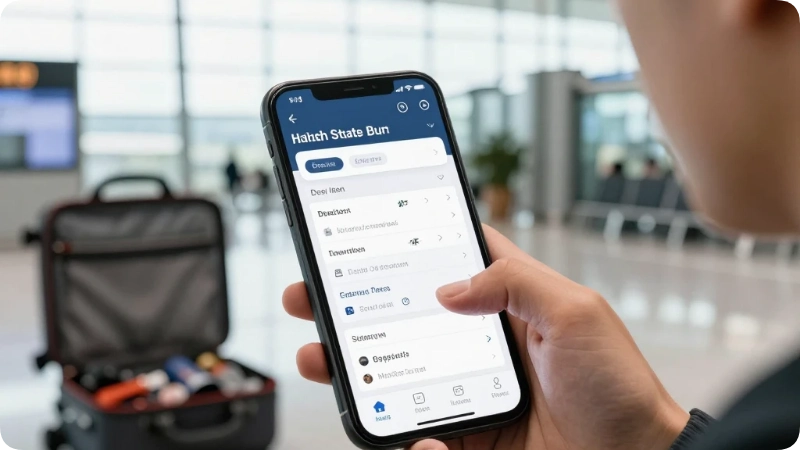
The strongest part of any modern travel tool kit isn’t something you pack in a bag it’s the apps and platforms running on your phone. The right digital stack can replace a stack of papers, a travel agent, and a dozen phone calls. Here’s what belongs in yours.
Flight Management Apps
Apps like FlightAware and the airline’s own app are non negotiable. FlightAware tracks real time flight status, delays, and gate changes for nearly every commercial flight in the U.S. and abroad. The TSA also recommends downloading your airline’s app before departure it stores boarding passes, sends gate change notifications, and often lets you rebook from your phone during disruptions. Set up flight notifications before you leave the house.
Offline Navigation Tools
Cellular service disappears in rural areas, national parks, and foreign countries. Google Maps allows offline map downloads for specific regions download them on Wi Fi before you go. Maps.me and Gaia GPS are strong alternatives, especially for hikers using trails in places like Grand Canyon National Park or the Appalachian Trail corridor. Cell service in these areas can be spotty even with major carriers.
Translation and Communication Apps
Google Translate handles over 100 languages and works offline for downloaded language packs. iTranslate and DeepL are solid alternatives. For international trips, WhatsApp is the standard communication tool outside the U.S., while apps like Skype and Google Voice let you make low cost calls abroad. Download these before you lose reliable Wi Fi access.
Travel Organizing Platforms
TripIt automatically builds a master itinerary by scanning your confirmation emails. It consolidates flights, hotels, car rentals, and restaurant reservations in one timeline readable without cell service if you save it offline. Google Travel offers a similar function and integrates with Gmail. These tools are especially useful for multi stop itineraries where keeping track of 10 separate confirmation numbers would otherwise be a logistical headache.
VPN for Public Wi Fi Security
Airport and hotel Wi Fi networks are prime targets for data theft. A reputable VPN (Virtual Private Network) encrypts your internet traffic, protecting passwords, banking logins, and personal information when you connect on the road. ExpressVPN, NordVPN, and ProtonVPN are widely used options. The FBI’s Internet Crime Complaint Center consistently warns travelers about the risks of unsecured public networks.
The Paper Layer: Documents You Should Never Leave Home Without
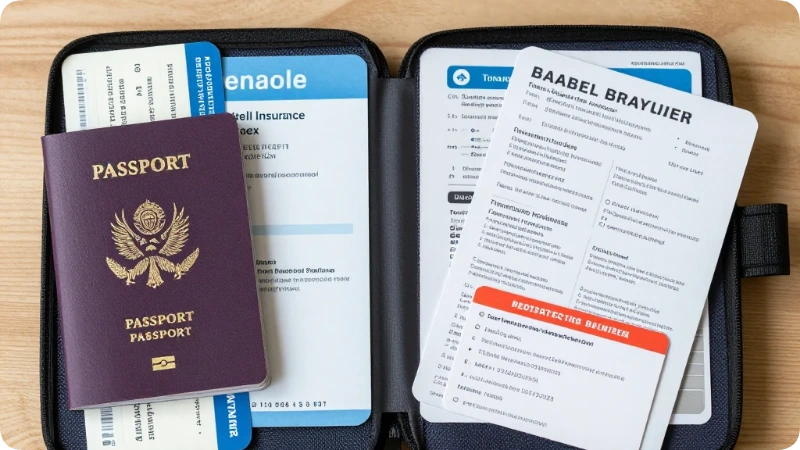
In an era of digital everything, paper still saves lives or at least saves trips. A solid travel tool kit includes both digital and physical copies of every critical document.
The Core Document Checklist
- Government issued ID or passport required for all flights per TSA. For international travel, check that your passport is valid for at least six months beyond your travel dates, as many countries require this.
- Travel insurance policy and emergency contact card keep one copy in your bag and one in your email.
- Printed itinerary if your phone dies or gets stolen, you’ll still know where you’re going.
- Hotel and rental confirmation numbers a screenshot works, but a printout works without battery.
- Emergency contacts and medical information blood type, allergies, and any critical medications.
International Documentation
For international travel, the U.S. Department of State strongly recommends enrolling in the Smart Traveler Enrollment Program (STEP) at step.state.gov before departure. STEP registers your trip with the nearest U.S. Embassy and sends security alerts for your destination. It’s free and takes less than 10 minutes.
Some countries require a visa obtained before arrival. Always verify current visa requirements through the official U.S. Department of State website (travel.state.gov) requirements change without much public notice.
The Physical Layer: Gear That Actually Makes Travel Easier
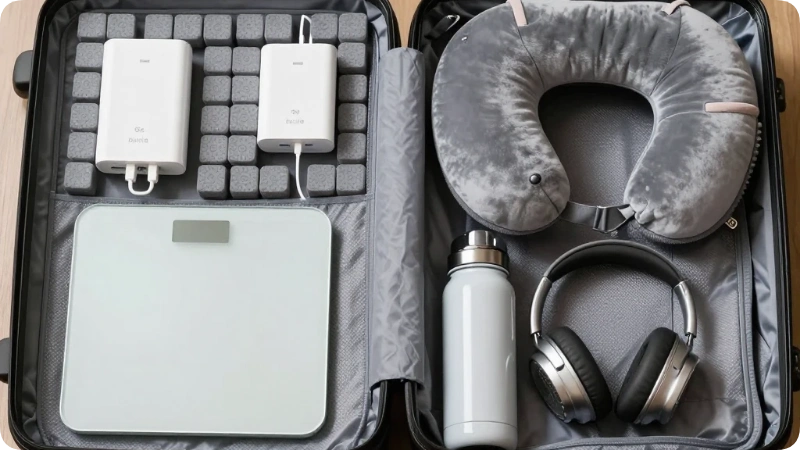
Not all travel gear is worth the luggage space. The physical part of a great travel tool kit is built on items that solve real problems not gadgets that look useful on a shelf and gather dust in a bag.
Packing Organization Tools
Packing cubes are the single biggest quality of life upgrade most travelers overlook until they try them. They compress clothing, keep categories separated, and make unpacking at a hotel take two minutes instead of twenty. Eagle Creek, Osprey, and Gonex all make durable sets at various price points. A set of three to four cubes handles most carry on bags efficiently.
A compression bag handles bulky items like jackets and sweaters, reducing volume by up to 60% without a vacuum pump. For checked luggage, a digital luggage scale (most weigh under four ounces) prevents the dreaded overweight bag fee at the check in counter fees that typically run $100 or more per overweight bag on major U.S. carriers.
Power and Connectivity
A portable power bank is non negotiable. Look for at least 10,000mAh capacity for phones and tablets. Anker is one of the most trusted brands in this category, and their models are consistently TSA compliant. Note that the TSA prohibits power banks in checked luggage they must stay in your carry on.
A universal travel adapter matters for international trips. The U.S. uses Type A/B plugs at 110 120V. Much of Europe, Asia, and Africa runs on 220 240V with different plug shapes. A multi region adapter with USB ports handles both voltage conversion and plug compatibility in one compact unit.
Noise canceling earbuds or headphones are worth every penny on long flights. Brands like Sony, Bose, and Apple offer well reviewed options across price ranges. Beyond comfort, they protect hearing from sustained engine noise on long haul flights.
Security Gear
A TSA approved luggage lock (look for the Travel Sentry logo) lets TSA agents inspect checked bags without cutting your lock. Master Lock and Forge are reliable budget friendly options. For added security, an RFID blocking wallet or passport holder prevents electronic pickpocketing of contactless cards and passport chips a real concern in crowded international transit hubs.
A hidden money belt worn under clothing protects cash and cards in high theft areas. Rick Steves has popularized this approach for European travel, but it’s equally smart in busy domestic airports and tourist areas.
The Money Layer: Managing Finances on the Road
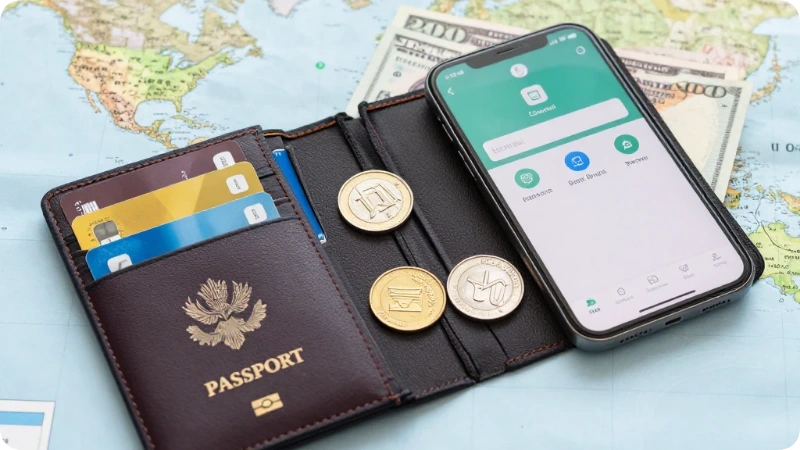
Financial preparation is one of the most underrated parts of a travel tool kit. Getting hit with foreign transaction fees on every purchase, or having a card declined abroad because you forgot to notify your bank, are avoidable problems that derail more trips than most people admit.
The Right Credit Card
A travel credit card with no foreign transaction fees is essential for any trip outside the U.S. The Chase Sapphire Preferred, Capital One Venture, and the no annual fee Charles Schwab Visa are frequently recommended by travel finance experts. Many of these cards also offer travel insurance, trip delay coverage, and rental car protection as built in benefits read the benefits guide before you assume you need separate insurance for everything.
Cash Strategy
Carrying some local currency is still smart, even in heavily card friendly destinations. ATMs at your destination typically offer better exchange rates than airport currency exchange kiosks, which charge significant markups. Notify your bank of your travel dates before departure most major banks have travel notification features in their apps. If your card gets frozen abroad because you forgot this step, unlocking it remotely can be time consuming and stressful.
Digital Payment Tools
Apple Pay, Google Pay, and Samsung Pay are accepted in most major U.S. cities and in many international destinations. In the U.S., apps like Venmo and Zelle handle peer payments easily. For budget tracking, Trail Wallet and TravelSpend let you log expenses by category so you don’t return home shocked by your receipts.
The Safety Layer: Tools That Protect You When Things Go Wrong
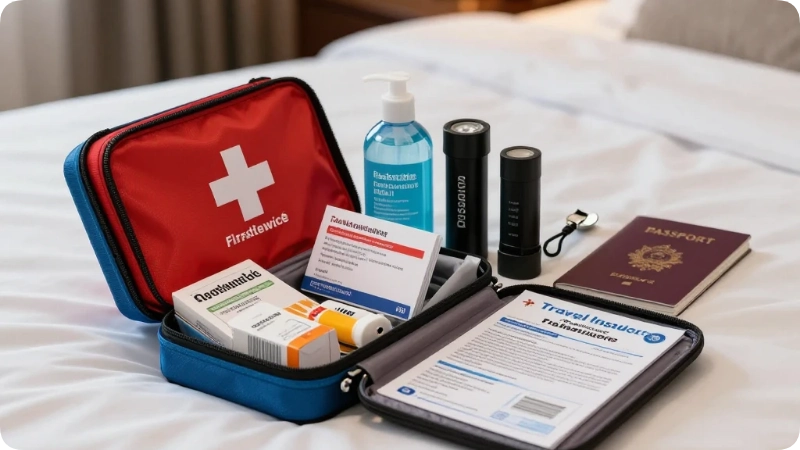
The best travel experiences still come with unpredictable moments. A well built travel tool kit includes a safety layer that prepares for the unexpected without turning every trip into an anxiety exercise.
Travel Insurance
Travel insurance is not optional for international travel and is strongly worth considering for expensive domestic trips. A standard policy covers trip cancellation, medical evacuation, lost luggage, and travel delays. The U.S. State Department explicitly warns that most U.S. health insurance plans, including Medicare, do not cover medical treatment abroad. Insuremytrip.com and Squaremouth are comparison platforms that let you review actual policy terms side by side. Prices vary significantly always read what’s actually covered.
Health and Medical Preparedness
Build a travel health kit that includes any prescription medications (with enough supply for delays), a doctor’s note for controlled substances when traveling internationally, basic OTC medications (antihistamines, pain relievers, anti diarrheal), and hand sanitizer. The CDC’s Travelers’ Health website (wwwnc.cdc.gov/travel) provides destination specific vaccination recommendations and health advisories consult it at least four to six weeks before international travel.
For domestic travel, knowing the nearest urgent care center or hospital to your destination is a practical step most people skip and later wish they hadn’t.
Emergency Contact Protocol
Before any trip, share your itinerary with at least one trusted person at home. Include hotel names, flight numbers, and a check in schedule. For international travel, the U.S. Embassy contact information for your destination country belongs in your phone and on a printed card. In a genuine emergency, the State Department’s 24 hour line (1 888 407 4747) can assist American citizens abroad.
The Planning Layer: Checklists and Tools That Prevent Pre Trip Chaos
Good travel planning doesn’t start at the airport. The planning layer of your travel tool kit begins weeks before departure and covers the decisions that determine If your trip runs smoothly.
Building a Master Travel Checklist
Experienced travelers use a rolling checklist organized by timeline: 30 days out, 2 weeks out, 1 week out, 48 hours before, and day off. Key early tasks include confirming visa requirements, booking accommodations, purchasing travel insurance, and checking passport validity. The week before, tasks shift to downloading offline maps, notifying your bank, and confirming all reservations.
Booking Strategy and Timing
For domestic U.S. flights, the Expedia and Google Flights fare calendars show price trends across a full month. Google Flights’ “Price Guarantee” feature notifies you if a booked price drops. Most research suggests booking domestic flights 1 3 months ahead for best pricing, though this varies by route and season.
For hotels, booking directly with the property often unlocks benefits like room upgrades, early check in, and flexible cancellation even if the initial price matches OTA platforms like Booking.com or Hotels.com.
Weather and Seasonal Planning
The National Weather Service (weather.gov) provides 7 day forecasts and extended outlooks for all U.S. destinations. For mountain and outdoor destinations, weather can shift dramatically checking trail conditions through the National Park Service website before hiking is a safety step, not just a planning step. Always build buffer time into itineraries for weather related delays, especially in winter travel through the Midwest or mountain West.
Insider Tips: What Experienced Travelers Actually Do Differently
The gap between a stressful trip and a smooth one often comes down to habits most travel guides don’t cover directly.
- Screenshot everything before you lose signal. Booking confirmations, hotel addresses, and transit maps saved as camera roll screenshots open without internet. This simple habit prevents a dozen potential crises.
- Pack a change of clothes in your carry on even for checked bag trips. Airlines misroute approximately 3 4 bags per 1,000 passengers, according to DOT data. Having one day’s clothing accessible means a delayed bag is an inconvenience rather than a disaster.
- Learn the airport layout before you land. Google Maps includes terminal maps for most major U.S. airports. Knowing where baggage claim, ground transportation, and your connecting gate are before you land saves real time in large hubs like Hartsfield Jackson Atlanta, O’Hare, and LAX.
- Use the airline’s app not just the website for same day changes. During disruptions, mobile app rebooking is often faster than the phone queue or gate agent line.
- Carry a small notebook. In areas with no cell service, written notes, addresses, and phone numbers remain accessible when digital tools fail. Old school still works.
3 Common Travel Mistakes and How to Fix Them
Mistake 1: Overpacking the tech and underpacking the adapters. Travelers load up on gadgets but forget that international outlets require adapters. Fix this by buying a multi region adapter before your trip airport shops charge two to three times as much.
Mistake 2: Skipping travel insurance on “short” trips. A single medical evacuation abroad can cost $100,000 or more. Trip length doesn’t determine financial exposure destination and activity level do. Fix this by spending 15 minutes comparing policies on Insuremytrip.com before any international departure.
Mistake 3: Not having backup access to important accounts. Getting locked out of email or banking while abroad because 2 factor authentication sends a code to an inaccessible number is a real crisis. Fix this by setting up backup authentication methods (backup codes or an authenticator app) before you leave.
Budget Breakdown: What a Good Travel Tool Kit Actually Costs
| Item | Estimated Cost Range |
| Packing cubes (set of 4) | $15 $45 |
| Portable power bank (10,000mAh+) | $20 $60 |
| Universal travel adapter | $20 $50 |
| TSA approved luggage lock | $8 $25 |
| RFID blocking wallet/passport holder | $10 $35 |
| Noise canceling earbuds (entry level) | $30 $150 |
| Travel insurance (varies widely) | $50 $300+ per trip |
| Digital luggage scale | $8 $20 |
| Total (excluding insurance) | ~$111 $385 |
Prices fluctuate and are provided as general reference only. Verify current pricing before purchase.
Responsible Travel: Using Your Kit to Travel Better
A well equipped traveler is also a more responsible one. Reusable water bottles with built in filters (LifeStraw and GRAYL make popular options) reduce single use plastic waste in destinations where tap water safety is uncertain. Solid toiletries (shampoo bars, solid sunscreen) pass through TSA liquid rules more easily and reduce plastic packaging.
The Leave No Trace Center for Outdoor Ethics (lnt.org) provides principles for minimizing environmental impact in national parks and outdoor spaces worth reading before any backcountry or wilderness trip. And choosing accommodations that carry legitimate eco certification (look for Green Key or LEED certified properties) puts your travel dollars toward sustainability without much extra effort.
FAQs
What is the most important item in a travel tool kit?
Travel insurance is arguably the most important and most frequently skipped item. Physical gear can be bought at a destination, but medical emergencies and trip cancellations abroad can generate catastrophic costs without coverage. After that, a charged power bank ranks near the top a dead phone in an unfamiliar city creates a cascade of problems.
Do I need a different travel tool kit for domestic vs. international travel?
The core overlaps, but international travel adds layers: a passport, visa documentation (if required), a travel adapter, a VPN, an offline translation app, STEP enrollment, and a credit card with no foreign transaction fees. Domestic trips can simplify the document and money sections significantly.
What apps should I always have before a flight?
Download your airline’s official app, a flight tracker like FlightAware, Google Maps with an offline map of your destination, TripIt or Google Travel for your itinerary, and your bank’s mobile app. These five cover the most common in transit needs.
Is a packing list a travel tool?
Absolutely. A well built packing checklist is one of the most underrated travel tools available. Apps like PackPoint generate personalized lists based on destination, trip length, and planned activities. A reusable checklist prevents the “I can’t believe I forgot…” moments that derail trips.
How do I protect my personal data while traveling?
Use a VPN on public Wi Fi, enable two factor authentication on key accounts with an authenticator app (not SMS), turn off Bluetooth and AirDrop in crowded public spaces, and use an RFID blocking wallet for contactless cards. The FTC’s identitytheft.gov is a useful resource if something does go wrong.
What goes in a travel health kit?
A basic travel health kit includes any prescription medications (with extra supply for delays), a doctor’s letter for controlled substances, OTC pain relievers, antihistamines, anti diarrheal medication, bandages, antiseptic wipes, and hand sanitizer. The CDC’s travel health site provides destination specific health recommendations worth checking four to six weeks before international departure.
Can I build a travel tool kit on a tight budget?
Yes. Prioritize free items first: download essential apps, build your document folder, enroll in STEP for international travel, and use free packing checklist tools. For physical gear, a $15 $20 power bank and a basic packing cube set handle the highest value upgrades. Travel insurance can often be found for under $50 for short domestic trips through comparison platforms.
Conclusion: Build It Once, Use It Forever
Three things make the biggest difference when you put together a travel tool kit: start digital (your apps and documents do more heavy lifting than any gadget), layer your backup plans (offline maps, paper copies, and extra cash cover you when the first option fails), and add travel insurance before you convince yourself you don’t need it.
The best travel tool kit isn’t the most expensive one.
It’s the one that fits your actual travel style, covers your real weak points, and gets updated after every trip based on what you wished you’d had. Build it thoughtfully, and it pays for itself the first time something goes sideways in an airport.
Safe travels the prep you do at home is the freedom you feel on the road.

Maya Lin inspires travelers to explore the globe with absolute confidence and independence. Armed with a background in digital media and a decade of independent solo travel experience, she knows exactly how to navigate unfamiliar cities smoothly and safely. For Travelmarse, Maya curates the solo travel and hidden-gem verticals. She reviews charming boutique hotels, designs smart neighborhood walking routes, and shares practical language-learning hacks, giving readers the exact tools they need to travel solo without the stress.