Featured Snippet: Business travel recovery refers to the steady return of corporate trips, conferences, and client visits to pre pandemic levels across the United States.
Domestic corporate travel has rebounded faster than international trips, driven by in person sales meetings, trade shows, and hybrid “bleisure” travel.
Airlines, hotels, and convention centers are adjusting pricing and services to meet this renewed demand.
Business travel recovery affects how much you pay for flights, how easy it is to book a hotel room near a conference center, and how crowded airports feel on Monday mornings.
After years of video calls replacing handshakes, companies are sending employees back out on the road.
For travelers, that means navigating new pricing patterns, tighter availability, and updated expectations around safety and flexibility.
For years, remote work tools made many wonder if business trips would ever return to normal.
Missed deals, weaker client relationships, and stalled deals taught companies a hard lesson: nothing replaces a face to face meeting. Today, business travel recovery is reshaping airports, hotels, and entire downtown economies in cities like Chicago, Atlanta, and Dallas.
This guide breaks down what’s driving the rebound, where it’s strongest, and how to travel smarter as corporate trips pick back up nationwide.
Quick Facts: Business Travel Recovery at a Glance
| Category | Current Trend |
| Domestic corporate travel | Recovering faster than international |
| Top demand drivers | Sales meetings, conferences, trade shows |
| Booking pattern | Shorter lead times, more flexible fares |
| Popular trip style | “Bleisure” (business + leisure) extensions |
| Busiest travel days | Tuesday through Thursday |
| Hotel demand | Strongest in convention and tech hub cities |
Note: Travel volumes and pricing change frequently. Always check current data from the U.S. Travel Association, airline sites, or your company’s travel policy before booking.
What Is Driving Business Travel Recovery Right Now

Business travel recovery is being driven by renewed conference attendance, a return to in person client pitches, and companies prioritizing relationship building after years of remote work fatigue. Trade shows in cities like Las Vegas and Orlando have reported strong attendance numbers. Sales teams report that closing major deals still works best face to face, pushing more travel budgets back into action.
A second factor is simple economics. Many companies cut travel budgets sharply during the pandemic and are now reinvesting as revenue stabilizes. Conferences, product launches, and industry expos are scheduling more frequently, creating consistent demand throughout the year rather than seasonal spikes alone.
How Bleisure Travel Is Reshaping Business Trips

Bleisure travel blending business obligations with personal leisure time is one of the clearest signs of business travel recovery. Many professionals now extend work trips by a day or two to explore the destination, visit a national park, or relax before flying home. Hotels in cities like Austin, Denver, and Nashville have noticed longer average stays tied to this trend.
This shift benefits both travelers and local tourism economies. A consultant flying to Phoenix for a Tuesday meeting might stay through the weekend to hike nearby trails or visit family. Hotels and airlines have responded by offering more flexible date changes and weekend package deals aimed squarely at this hybrid traveler.
Best Time to Book Business Trips During the Recovery
Tuesday through Thursday remains the busiest and often priciest window for business travel, since most meetings and conferences cluster midweek. Booking flights for Monday morning or Friday afternoon can sometimes mean lower fares, since leisure travelers tend to favor weekend departures instead.
Shoulder months like September, October, and February through April see strong conference traffic but less competition from summer vacationers, often resulting in better hotel rates near convention centers. Booking three to four weeks ahead generally balances flexibility with reasonable pricing, though last minute corporate fares remain common given unpredictable schedules.
Top US Cities Leading the Business Travel Comeback
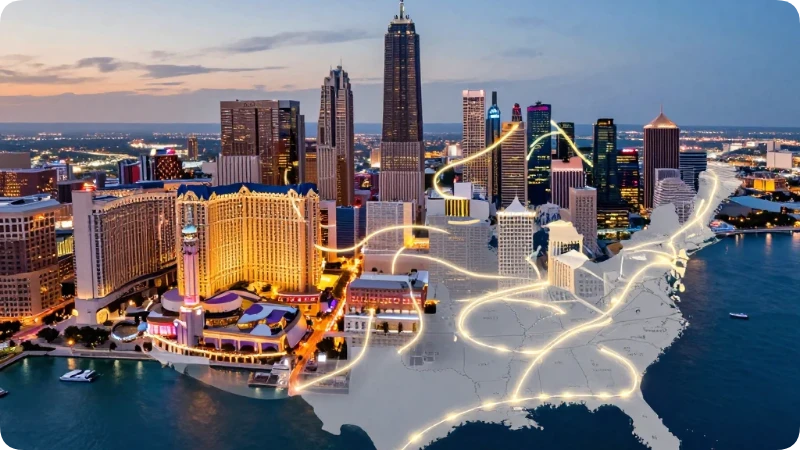
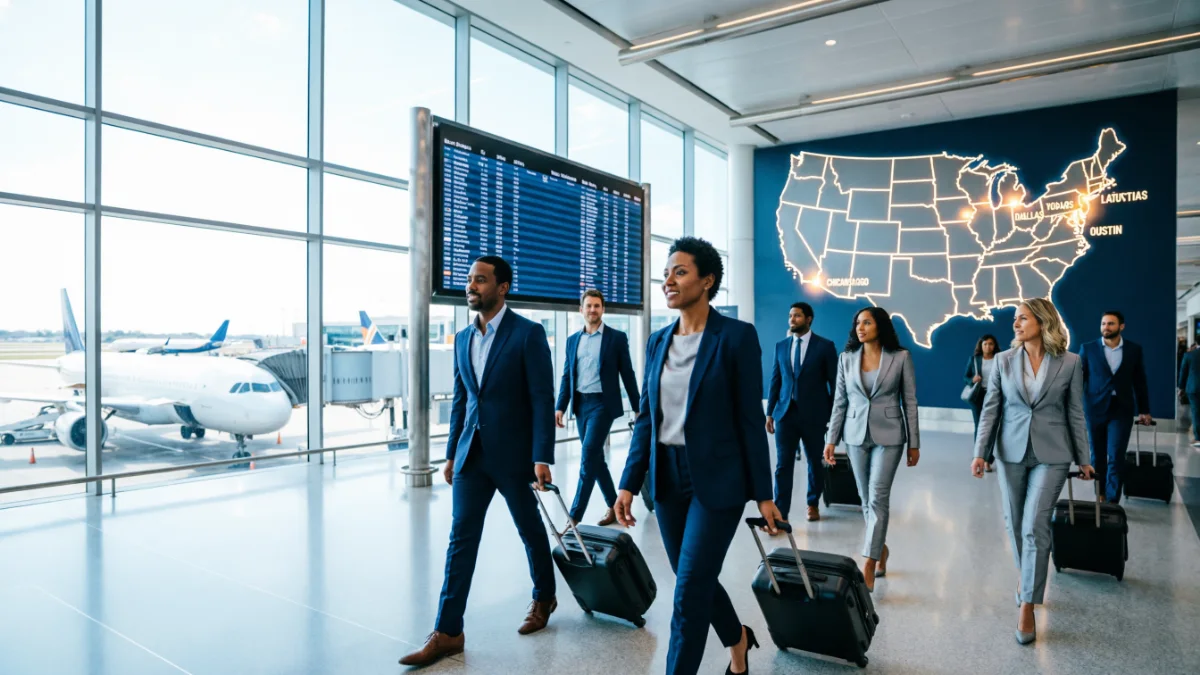
Several U.S. cities are leading business travel recovery thanks to strong convention calendars and corporate headquarters density. Chicago, Las Vegas, and Orlando consistently rank among the busiest convention destinations, while Austin and Nashville have grown rapidly as tech and finance hubs attracting frequent business visitors.
- Chicago, Illinois McCormick Place hosts some of the largest trade shows in the country
- Las Vegas, Nevada A major hub for conventions, with direct flights from nearly every U.S. city
- Austin, Texas Growing tech sector driving steady corporate visits
- Atlanta, Georgia Hartsfield Jackson Atlanta International Airport supports easy connections for road warriors
- Dallas, Texas Strong corporate headquarters presence across finance and logistics
How to Get There: Transport Options for Business Travelers
Most business travelers rely on domestic flights through major hub airports, though high speed rail and rental cars remain practical for shorter regional trips. Airlines such as Delta, American, and United have expanded route frequency to top business destinations as demand has grown.
For city to city travel under 300 miles, driving or Amtrak’s Northeast Corridor (connecting Boston, New York, Philadelphia, and Washington, D.C.) can be faster door to door than flying once airport time is factored in. Many companies now also encourage employees to use TSA PreCheck or Clear to reduce security wait times during frequent trips.
Where to Stay: Hotel Trends During the Recovery
Business travelers are increasingly choosing hotels near convention centers and business districts that offer flexible cancellation policies and reliable Wi Fi over flashy amenities. Extended stay brands have also grown in popularity among consultants and project teams working multi week assignments.
Insider tip: Many major hotel chains now offer corporate rate codes through company travel portals that beat public booking sites by 10 20%. Ask your travel manager before booking independently, since unbundled rates often miss out on these negotiated discounts.
Budget Breakdown: What Business Trips Typically Cost
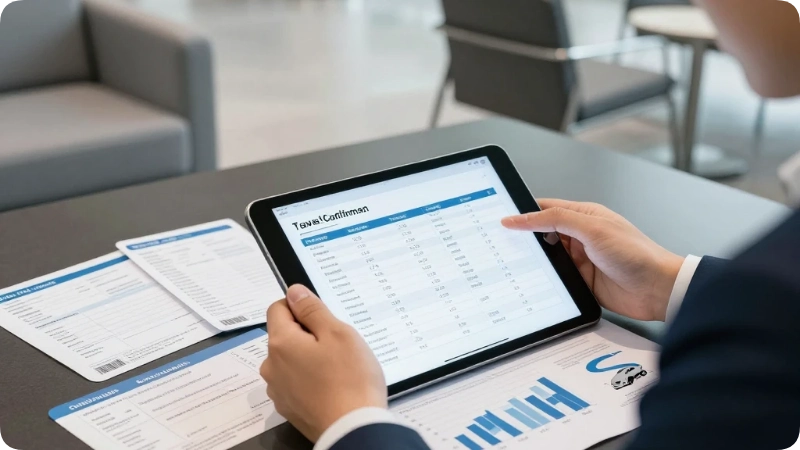
Business trip costs vary widely by city and trip length, but typically include airfare, lodging, ground transportation, and meals as the four largest categories. Convention heavy cities like Las Vegas and Orlando tend to have higher hotel rates during major trade show weeks, while smaller secondary cities often offer better value for routine client visits.
| Expense Category | Typical Share of Trip Budget |
| Airfare | 35 45% |
| Lodging | 30 40% |
| Ground transport | 10 15% |
| Meals | 10 15% |
Prices fluctuate by season and city always confirm current rates through your airline, hotel, or corporate travel platform.
Things to Do Between Meetings
Many business travelers now build in time for short cultural or recreational activities between meetings, turning downtime into a mini getaway. A free afternoon in Denver might mean a quick trip to Red Rocks, while a layover evening in New Orleans could include a stroll through the French Quarter.
Hidden gem: The Atlanta BeltLine, a walkable and bike friendly trail connecting several neighborhoods, offers a quick, low cost way to unwind after a long conference day without needing a car or rideshare.
Food and Dining Tips for Business Travelers
Business travelers often default to hotel restaurants out of convenience, but nearby local spots frequently offer better food at similar prices with less wait time. Checking apps for highly rated restaurants within walking distance of a conference center can turn a rushed dinner into a memorable one.
Insider tip: Conference hotel restaurants are usually busiest right after evening sessions end. Walking two or three blocks away often means shorter waits and more authentic local cuisine, If that’s deep dish pizza in Chicago or barbecue in Austin.
Safety Tips for Frequent Business Travelers
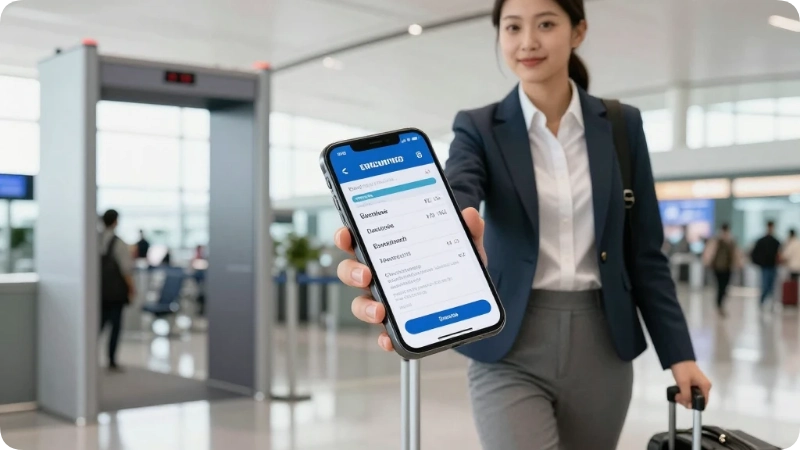
Frequent business travelers should keep copies of identification and itineraries accessible digitally, stay aware of surroundings in unfamiliar downtown areas at night, and confirm building security procedures at unfamiliar office locations. The Centers for Disease Control and Prevention (CDC) and Transportation Security Administration (TSA) regularly update travel health and security guidance worth checking before frequent trips.
Hotel safety also matters: choosing rooms above the ground floor but below the seventh floor (within firefighting ladder reach) is a commonly cited safety practice among experienced corporate travelers.
Packing Advice for Business Trips
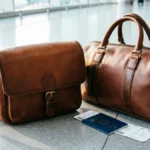
Packing efficiently for business travel means prioritizing wrinkle resistant fabrics, a reliable carry on bag, and backup chargers for devices used in meetings. A well organized packing cube system can keep a two day trip and a week long conference equally manageable without checking a bag.
- Wrinkle resistant blazer and slacks or dress
- Portable charger and universal adapter
- One pair of comfortable walking shoes for conference floors
- Digital copies of ID, boarding passes, and hotel confirmations
- A compact umbrella for unpredictable weather
Common Mistakes Business Travelers Make
One common mistake is overpacking for short trips, leading to checked bag fees and slower airport transitions that eat into meeting time. Another frequent error is booking the cheapest flight without checking layover risk, which can cause missed meetings if connections run tight.
- Mistake: Skipping travel insurance for international business trips. Fix: Many corporate cards include basic coverage confirm before assuming you’re protected.
- Mistake: Ignoring loyalty program enrollment. Fix: Even infrequent flyers benefit from free elite qualifying perks over a year of trips.
- Mistake: Booking hotels far from the meeting venue to save money. Fix: Factor in rideshare costs and time lost in traffic, which often erase the savings.
Underrated and Overrated Parts of Business Travel Recovery
The most underrated part of business travel recovery is the rise of secondary business hubs like Raleigh, Columbus, and Salt Lake City, which often offer easier logistics and lower costs than oversaturated major cities. The most overrated part is assuming every conference requires attending in person; some hybrid event formats now offer equally valuable networking without the travel cost.
Is business travel recovery worth tracking for your company? Yes, especially for sales driven or relationship based industries, since in person trips continue to show measurable impact on deal closure rates compared to remote only outreach.
Responsible and Sustainable Business Travel Tips
Responsible business travel now often includes choosing direct flights when possible, since takeoffs and landings produce the most emissions per mile, and consolidating multiple client visits into a single regional trip. Many corporate travel policies now track and report carbon impact as part of sustainability goals.
Choosing hotels with recognized sustainability certifications and reducing daily housekeeping requests during multi-night stays are simple ways individual travelers can reduce their footprint without sacrificing comfort.
Accessibility Considerations for Business Travelers
Travelers with accessibility needs should confirm hotel and venue accommodations in advance, since not all conference centers list accessible entrances or seating clearly online. The Americans with Disabilities Act (ADA) requires public accommodations to provide reasonable access, but calling ahead avoids days of surprises.
Airports and airlines also offer accessibility services upon request, including wheelchair assistance and priority boarding, which can be arranged through the airline’s website or TSA Cares program before departure.
Sample Two Day Business Trip Itinerary
A typical two day business trip might include an early flight, an afternoon meeting block, an evening networking dinner, and a return flight the following afternoon. This structure maximizes meeting time while minimizing overnight hotel costs.
| Day | Schedule |
| Day 1 | Morning flight → afternoon client meetings → evening dinner with team |
| Day 2 | Morning follow up meeting → lunch → afternoon return flight |
Alternatives to Traditional Business Travel
Hybrid conferences, regional satellite offices, and video first client onboarding remain practical alternatives to full business trips for companies managing tighter travel budgets. These options work well for routine check-ins but rarely replace the relationship building power of in person trips for major deals or first time client meetings.
For teams balancing both, scheduling quarterly in person visits alongside regular virtual check ins often strikes a workable middle ground between cost control and relationship maintenance.
FAQs
Is business travel fully back to pre pandemic levels?
Domestic business travel has largely recovered in many sectors, though international corporate travel still lags slightly behind 2019 levels in some industries. Recovery varies significantly by company size and industry.
What cities are seeing the strongest business travel rebound?
Chicago, Las Vegas, Atlanta, Austin, and Dallas consistently rank among the strongest performers due to convention infrastructure and corporate headquarters density.
Why are bleisure trips becoming more common?
Bleisure trips let employees extend work travel into personal time, improving morale and making travel feel less disruptive to personal life, which companies now see as a useful retention tool.
How can I save money on frequent business trips?
Booking through corporate rate codes, choosing secondary cities when possible, and avoiding peak midweek flight times can meaningfully lower per trip costs.
Are video calls reducing the need for business travel long term?
Video calls handle routine check ins well, but most companies report that major deals, first meetings, and relationship building still benefit significantly from in person travel.
What safety steps should frequent travelers take?
Keeping digital copies of documents, choosing mid floor hotel rooms, and checking CDC and TSA updates before each trip are simple, effective habits.
Is it worth getting travel insurance for short business trips?
For short domestic trips, basic corporate card coverage is often sufficient, but international or high cost trips may warrant separate travel insurance for trip cancellation and medical coverage.
Final Thoughts on Business Travel Recovery
Business travel recovery shows that face to face meetings, conferences, and client visits remain essential to how American companies build relationships and close deals.
Cities with strong convention infrastructure and direct flight access continue to lead the rebound, while bleisure travel is reshaping how employees experience these trips.
If you’re booking your first post pandemic conference trip or your fiftieth client visit this year, smart planning around timing, location, and budget can make business travel both more efficient and more enjoyable.
As corporate calendars fill back up nationwide, those who travel smart will get the most out of every trip.

Ben Fogle believes that true adventure begins where the pavement ends. After spending years documenting extreme environments, rowing across oceans, and trekking through frozen landscapes, he mastered the art of wilderness travel. For Travelmarse, Ben constructs highly detailed guides on deep-nature packing lists, wildlife safety, and sustainable eco-tourism. He breaks down intimidating, rugged expeditions into clear, step-by-step roadmaps so everyday travelers can safely connect with the natural world.