
Travel physical therapist assistant jobs are short term PTA contracts, typically 8 13 weeks, arranged through healthcare staffing agencies at hospitals, clinics, and rehab facilities across the country. In 2026, travel PTAs average roughly $1,500 $1,700 per week (about $78,000 $103,000 a year) including tax free stipends, compared to a national median of about $65,500 for permanent PTAs.
A permanent PTA salary can feel like a ceiling instead of a starting point. Same clinic, same commute, same pay bump once a year while the cost of everything else keeps climbing.
Travel physical therapist assistant jobs exist for exactly this frustration. They let a licensed PTA work 8 13 week contracts in different cities and states, often earning noticeably more than a staff position once housing stipends and tax free reimbursements are factored in.
This guide breaks down real 2026 pay numbers, the licensing rules that actually matter, the staffing companies filling the most travel PTA roles right now, and honest answers to the questions PTAs ask before making the jump including If it’s worth it at all.
Featured Snippet:
Travel physical therapist assistant jobs are temporary healthcare assignments that allow licensed PTAs to work in hospitals, clinics, rehabilitation centers, and home health settings across the United States. These roles typically offer competitive pay, housing stipends, travel reimbursements, and flexible contracts, making them an attractive career option for PTAs seeking higher earnings and diverse clinical experience.
Quick Facts: Travel PTA Jobs at a Glance
| Category | 2026 Snapshot |
| Average weekly pay | $1,500 $1,700/week (some markets up to $1,900+) |
| Average annual pay (with stipends) | ~$78,000 $103,500 |
| Permanent PTA median salary (BLS) | $65,510/year |
| Typical contract length | 8 13 weeks |
| Education required | Associate degree from a CAPTE accredited PTA program |
| License required | State PTA license + optional PT Compact privilege |
| Top hiring agencies | Jackson Therapy Partners, CoreMedical Group, AMN Healthcare Allied, AHS Staffing, Anders Group |
| Housing stipend range | $1,000 $2,000/week (tax free, if eligible) |
Pay figures shift weekly with market demand. Always confirm current rates directly with a recruiter before signing a contract.
What Is a Travel Physical Therapist Assistant?
A travel PTA is a licensed physical therapist assistant who takes short term contract assignments usually 8 to 13 weeks at facilities with staffing shortages, rather than holding one permanent job. A staffing agency handles the contract, housing stipend, and travel reimbursement.
Travel PTAs still work under the direct supervision of a licensed physical therapist, exactly as they would in a permanent role. The difference is where and how long assignments can be in a different state every few months, from acute care hospitals to outpatient orthopedic clinics to skilled nursing facilities.
Most agencies want at least one year of clinical experience, though some like Anders Group do accept qualified new graduates for select assignments. A compact license (explained below) makes it far easier to move between states quickly.
How Much Do Travel PTAs Get Paid? (Salary Breakdown)
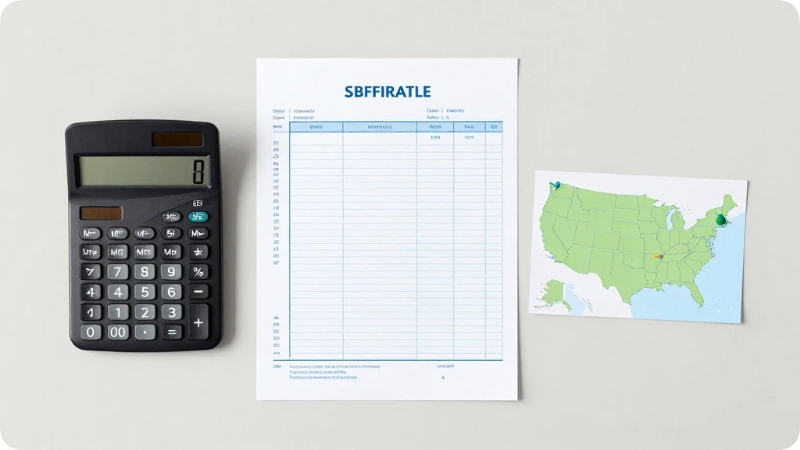
Travel PTAs earn an average of $1,500 $1,700 per week in 2026 based on active job market data, compared to a permanent PTA median of about $1,260/week ($65,510/year). Total compensation packages often include tax free housing and meal stipends on top of the taxable hourly wage, pushing effective annual value toward $90,000 $105,000+.
Here’s how the numbers actually break down:
By pay structure:
- Weekly blended rate: $1,500 $1,700/week is the current national average for travel PTA contracts.
- Local contract PTA roles (short term, no travel) average around $33 $37/hour.
- Annualized: Salary.com pegs the average “traveling physical therapy assistant” salary near $103,500/year, factoring in higher paying acute care and specialty contracts.
Why travel pay looks higher than it seems: Agencies typically split compensation into a taxable hourly wage plus tax free stipends for housing ($1,000 $2,000/week, depending on the city) and meals/incidentals ($50 $75/day). This is legal only if you maintain a genuine “tax home” a permanent residence you pay for even while traveling. This is general information, not tax advice; a travel healthcare tax specialist can confirm your eligibility.
What moves the number up or down:
- Setting: acute care and skilled nursing generally pay more than outpatient clinics.
- Location: rural and high demand states often pay a premium to attract travelers.
- Experience: agencies weigh years of clinical experience and specialty certifications.
- Contract urgency: last minute or hard to fill assignments (“rapid response” contracts) can pay significantly above average.
Travel Physical Therapist Assistant Jobs Near Colorado
Colorado is one of the most requested travel PTA destinations, largely because it participates in the PT Compact, which lets PTAs from other compact member states obtain a Colorado work privilege quickly instead of applying for a brand new state license from scratch.
Demand clusters around a few regions:
- Denver metro: the highest concentration of acute care, outpatient ortho, and skilled nursing contracts in the state.
- Colorado Springs and Fort Collins: steady demand from hospital systems and rehab facilities, often with slightly less competition than Denver.
- Mountain and resort towns (Vail, Aspen, Steamboat Springs area): seasonal spikes tied to ski injury rehab and tourism driven population swings, plus a genuine lifestyle draw for travelers who want mountain access on days off.
Altitude is worth mentioning honestly: facilities at 5,000 9,000+ feet see real physiological effects on new arrivals (fatigue, shortness of breath during the first week), which patients and new travel PTAs sometimes underestimate. Budget a few days to acclimate before a demanding caseload.
Travel Physical Therapist Assistant Jobs Near Denver, CO

Denver specifically tends to have the deepest and steadiest pool of travel PTA openings in Colorado, spanning large hospital systems, outpatient orthopedic networks, and inpatient rehab facilities in the metro and surrounding suburbs (Aurora, Lakewood, Littleton, Boulder).
A few practical notes for a Denver assignment:
- Cost of living: housing stipends for Denver contracts tend to run higher than the national average given the metro’s rental market confirm the stipend covers realistic local rent before accepting.
- Commute planning: traffic on I 25 and I 70 corridors during peak hours can meaningfully affect which facility location makes sense relative to short term housing.
- Licensing timeline: if Colorado isn’t your home compact state, apply for the compact privilege as early as possible agencies generally recommend starting the process 4 6 weeks before a contract start date.
International Travel Physical Therapist Assistant Jobs
True international travel PTA contracts working outside the U.S. under a foreign employer are rare and structurally different from domestic travel PTA work. Most U.S. PTA licenses, CAPTE accreditation, and the PT Compact only apply within the United States, so a license earned domestically does not automatically transfer abroad.
What this actually looks like in practice:
- Most “international” opportunities are domestic. U.S. staffing agencies sometimes use “travel” broadly, but the vast majority of PTA contracts listed by agencies like AMN Healthcare, Jackson Therapy Partners, or CoreMedical Group are U.S. based assignments across states, not overseas placements.
- Genuine overseas PT/PTA work (e.g., military bases, U.S. territories like Guam or Puerto Rico, or international clinics serving expat communities) typically requires separate credentialing recognized by that country or territory, and openings are far less common than domestic travel contracts.
- U.S. territories (Puerto Rico, Guam, U.S. Virgin Islands) are sometimes marketed as “international” assignments and may be more accessible since U.S. licensure often still applies worth asking a recruiter directly if overseas adjacent work is the goal.
If international work is the priority, be direct with a recruiter early: ask specifically which of their listed “international” roles are U.S. domestic versus genuinely outside the U.S., since job board listings don’t always make this distinction clear.
Best Travel PTA Companies (Staffing Agencies)

The staffing agency matters almost as much as the assignment it determines your pay package, benefits, housing support, and how quickly problems on assignment get resolved. Based on current job volume and reputation in the travel therapy space:
| Agency | Known For |
| Jackson Therapy Partners | High contract volume, ProVenture self service platform, mentorship programs, Best of Staffing awardee |
| CoreMedical Group | One of the largest PTA contract volumes nationally, strong benefits package |
| AMN Healthcare Allied | Large national footprint, detailed PT Compact guidance for licensing |
| AHS Staffing | Competitive in high demand states like Texas |
| Anders Group | Accepts qualified new graduate PTAs for select contracts, dedicated recruiter model |
| LRS Healthcare | Personal recruiter support, works with both new grads and experienced PTAs |
| TheraEx Therapy | Strong presence in California and West Coast markets |
| The Delta Companies (Delta Healthcare Providers) | Nationwide therapy specific staffing division |
How to actually choose: don’t just compare headline pay. Ask each recruiter for a full breakdown of taxable wage vs. stipends, If health insurance starts day one or after a waiting period, If they offer 401(k) matching, and what their “guaranteed hours” clause covers if a facility cuts your schedule mid contract. Two agencies quoting the same weekly total can have very different real world value once benefits are factored in.
Travel PTA Jobs Near Me: How to Actually Find Local Openings
Searching “travel PTA jobs near me” mostly surfaces two different things: true short term travel contracts and “local contract” PTA roles that don’t require relocation. Knowing the difference saves wasted applications.
To find genuine travel contracts in your target area:
- Register with 2 3 staffing agencies simultaneously (this is standard practice, not disloyal) so you can compare real offers side by side.
- Use travel specific job boards like Vivian, AlliedTravelCareers, or agency specific portals, and filter by state or metro area rather than “near me,” since travel roles are listed by assignment location, not your home ZIP code.
- Tell your recruiter your target region directly many contracts fill before they’re ever posted publicly, and recruiters often know about unlisted openings.
If you want to stay local: ask specifically for “local contract” or “PRN” PTA roles, which pay an hourly rate (commonly $33 $41/hour) without requiring you to relocate or maintain a second tax home.
Can You Travel as a Physical Therapist Assistant? (Requirements Explained)
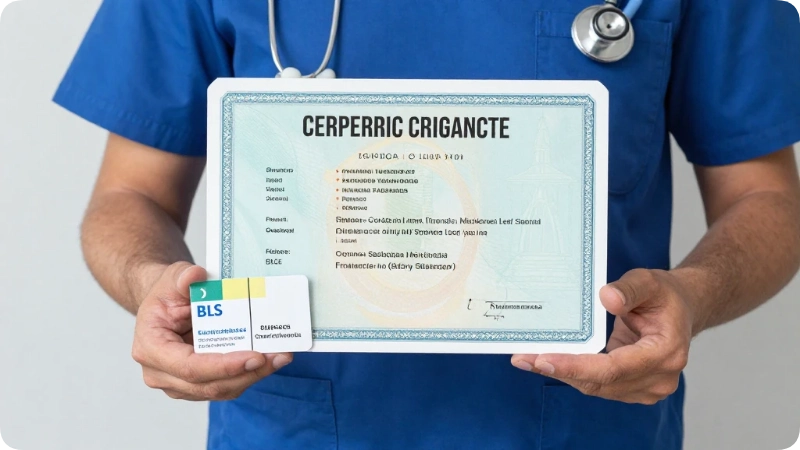
Yes a licensed PTA can work travel assignments as long as they hold an active state PTA license (or PT Compact privilege) for the state where the job is located, typically 1+ years of clinical experience, and a clean professional/background check record required by the hiring facility.
The core requirements agencies look for:
- Active PTA license in your home state, issued after completing a CAPTE accredited associate degree program and passing the National Physical Therapy Exam (NPTE) for PTAs.
- State licensure or compact privilege for the destination state. Colorado, along with roughly three dozen other states and D.C., participates in the PT Compact, which lets a PTA licensed in a compact member state purchase a privilege to work in another member state without a full separate licensing application a major time and cost saver for travelers.
- Experience threshold: most agencies prefer at least 1 year of clinical experience, though some accept strong new graduates for specific contracts.
- Certifications: Basic Life Support (BLS) is close to universal; some facilities also want CPR certification current and specialty training documented (e.g., wound care, pediatrics).
- Clean background check and drug screen, standard across virtually all healthcare staffing placements.
If your home state isn’t a compact member, you’ll need to apply for individual state licensure in each new destination plan for a longer lead time (often 4 8+ weeks) before a contract can start.
Is Being a Travel PTA Worth It? (Honest Pros and Cons)

For most PTAs, travel work pays more than a permanent role and offers genuine schedule and location flexibility but it trades away workplace stability, consistent benefits, and the deeper long term relationships that come with a fixed clinic. If it’s “worth it” depends on what stage of life and career you’re in.
Pros:
- Higher total pay once tax free stipends are factored in (often 20 40% more than a comparable permanent role).
- Choice of location try out a city or region before committing long term.
- Faster resume diversity: exposure to acute care, outpatient, SNF, and home health settings builds broader clinical skill.
- Contract flexibility: take time off between assignments if desired.
Cons:
- Less job security than permanent employment contracts can end early if census drops.
- Benefits (health insurance, PTO, 401k) vary widely by agency and may have waiting periods.
- Constant onboarding: new EMR systems, new coworkers, and new facility protocols every few months.
- Housing logistics and the tax home requirement add real administrative overhead.
- Harder to build long term patient relationships or clinical mentorship at any one site.
Who it’s best for: PTAs early or mid career without dependents tied to one school district, those wanting to pay off debt faster, or anyone genuinely curious about living in different parts of the country.
Who should think twice: PTAs who strongly value routine, are the primary caregiver for someone with fixed local needs, or who thrive on long term patient continuity may find staff positions a better fit.
Is PTA a Dead End Job? (What the Career Path Actually Looks Like)
No PTA is not a dead end job, but it is a capped clinical role: PTAs work under PT supervision and cannot independently evaluate patients or set treatment plans, which limits upward mobility unless you pursue further education. Within that structure, though, there’s real room to grow.
Realistic paths from a PTA credential:
- Travel PTA work itself, which increases earnings substantially without additional schooling.
- Specialization in areas like pediatrics, geriatrics, or orthopedics, which can command higher pay and more selective assignments.
- Bridge to a Doctor of Physical Therapy (DPT) some PTAs use clinical experience and tuition savings from travel work to eventually pursue PT licensure, though PTA to DPT bridge programs are limited and competitive.
- Non clinical roles clinical education, home health case coordination, or staffing agency recruiting, all fields where hands on PTA experience is valued.
The “dead end” framing usually comes from comparing a staff PTA’s slower raise structure to other healthcare roles but that comparison changes significantly once travel contracts, specialization, or further education enter the picture.
Common Mistakes New Travel PTAs Make (and How to Avoid Them)
Mistake 1: Accepting the first offer without comparing agencies. Fix: Get quotes from at least two or three agencies for the same or similar contracts before signing pay packages for comparable roles can vary by hundreds of dollars a week.
Mistake 2: Not confirming tax home eligibility before assuming stipends are tax free. Fix: Talk to a tax professional familiar with travel healthcare before your first contract, not after retroactively fixing this is far harder.
Mistake 3: Underestimating licensing lead time for non compact states. Fix: Start any new state license application 6 8 weeks ahead of a target start date; don’t assume compact privileges apply everywhere.
Alternatives to Travel PTA Work
If full time travel contracting doesn’t fit right now, a few adjacent options offer some of the same upside:
- Local contract or PRN PTA work higher hourly pay than staff roles without relocating.
- Per diem PTA shifts maximum schedule flexibility, useful for testing facilities before committing to a travel contract.
- Short 4 8 week “local travel” contracts within driving distance of home, which some agencies offer as a lower commitment entry point into travel style pay.
FAQs
How much do travel PTAs get paid?
Travel PTAs currently average about $1,500 $1,700 per week nationally, or roughly $78,000 $103,500 annualized once tax free housing and meal stipends are included. Pay varies significantly by state, setting, and contract urgency, so confirm current numbers directly with a recruiter.
Can you travel as a physical therapist assistant?
Yes. A licensed PTA with an active state license or PT Compact privilege, generally 1+ years of experience, and standard certifications like BLS can take travel assignments through a healthcare staffing agency.
Is PTA a dead end job?
No, but it is a capped clinical role without independent evaluation authority. PTAs can grow their careers through travel work, specialization, or bridging into a DPT program, even though the base role itself has a ceiling compared to licensed PTs.
Is being a travel PTA worth it?
For most PTAs, yes travel contracts typically pay 20 40% more than permanent roles once stipends are included. It’s most worth it for PTAs without local ties who want higher pay and location flexibility, less so for those who prioritize stability and long term patient relationships.
What is the average travel physical therapy assistant salary?
Salary.com places the average annual travel PTA salary near $103,500, while weekly job board data (Vivian) shows a more typical range of $1,500 $1,700 per week depending on setting and location.
Are there travel PTA jobs near Denver, Colorado?
Yes Denver has one of the deepest travel PTA contract pools in Colorado across hospital systems, outpatient orthopedic clinics, and rehab facilities, helped by Colorado’s participation in the PT Compact for faster licensing.
Do international travel PTA jobs exist?
Genuine overseas PTA contracts are rare since U.S. licensure and the PT Compact only apply domestically. Most agency listings labeled “international” are actually U.S. domestic assignments; true overseas or territory based roles require separate confirmation with a recruiter.
Conclusion
Travel PTA work isn’t a universal upgrade, but for the right person it solves the exact problem a staff PTA role can’t: capped pay and zero flexibility. The math is straightforward higher weekly pay, tax free stipends when a real tax home is maintained, and the freedom to choose where you work next.
The tradeoffs are just as real: less stability, more administrative overhead, and constant onboarding. Before committing, get quotes from a few agencies, confirm licensing timelines for your target state, and talk to a tax professional about stipend eligibility.
If steady pay growth and new scenery sound better than another year in the same clinic, the next step is simple: pick two or three staffing agencies from the list above and ask for a real pay package comparison.

Maya Lin inspires travelers to explore the globe with absolute confidence and independence. Armed with a background in digital media and a decade of independent solo travel experience, she knows exactly how to navigate unfamiliar cities smoothly and safely. For Travelmarse, Maya curates the solo travel and hidden-gem verticals. She reviews charming boutique hotels, designs smart neighborhood walking routes, and shares practical language-learning hacks, giving readers the exact tools they need to travel solo without the stress.