France pulls at something deep: the pull of cobblestone streets, golden vineyards, and a coastline that looks painted rather than photographed. For many American travelers planning their first (or fifth) trip to Europe, the hardest part isn’t wanting to go. It’s narrowing down where to go.
That’s the real problem: France is too big, too varied, and too full of “must-see” lists to figure out on a lunch break. Paris alone can eat a week. Add Provence, the Riviera, and the Loire Valley, and planning turns overwhelming fast.
This guide breaks down the best places to visit in France by region, budget, travel style, and season, so USA readers can build an itinerary that actually fits their time and money without guessing.
Featured Snippet:
The best places to visit in France include Paris, the French Riviera, Provence, the Loire Valley, Mont Saint-Michel, Bordeaux, the French Alps, Normandy, Strasbourg, and Lyon. These destinations cover iconic landmarks, coastal towns, wine country, mountain scenery, and historic villages, giving USA travelers a full picture of France in one trip.
Quick Facts Table
France packs a remarkable range into one country, and this snapshot helps frame the rest of the guide before diving into specific regions and cities.
| Category | Details |
| Capital | Paris |
| Best months to visit | April–June, September–October |
| Currency | Euro (€) |
| Primary international airport | Paris Charles de Gaulle (CDG) |
| Language | French |
| Average trip length | 7–14 days |
| High-speed rail | TGV network connects most major cities |
| Entry requirement (USA passport holders) | Passport valid 3+ months beyond stay; check current visa rules officially |
Visa and entry requirements change, so confirm current policy with the U.S. Department of State or the French embassy before booking.
Best Time to Visit France
The best time to visit France is late spring (April to June) or early fall (September to October), when the weather stays mild, crowds thin out compared to summer, and prices drop from peak-season highs. Winter suits ski trips and Christmas markets; summer suits beach towns but brings heat and crowds.
Spring brings blooming lavender previews in the south and comfortable sightseeing weather in Paris. Fall offers harvest season in wine regions like Bordeaux and Burgundy, plus fewer tour groups at major attractions.
Seasonal Comparison Table
| Season | Weather | Crowds | Best For |
| Spring (Mar–May) | Mild, occasional rain | Moderate | Paris, Loire Valley, gardens |
| Summer (Jun–Aug) | Hot, sunny | Peak crowds | French Riviera, coastal towns |
| Fall (Sep–Nov) | Cool, crisp | Lower | Wine regions, countryside |
| Winter (Dec–Feb) | Cold, occasional snow | Lowest (except holidays) | French Alps, Christmas markets |
Pros of visiting in shoulder season: lower hotel rates, shorter lines, comfortable walking weather. Cons: some rural attractions reduce hours; beach towns feel quieter.
How to Get There & Transport Options
Most USA travelers fly into Paris Charles de Gaulle (CDG) or Paris Orly (ORY), then use France’s high-speed TGV trains, regional trains, or budget flights to reach other regions. Renting a car works well for countryside areas like Provence or the Loire Valley, where public transit runs less frequently.
Direct flights from major U.S. hubs New York, Los Angeles, Chicago, Atlanta, and Miami typically take 7 to 9 hours to Paris. From there:
- TGV high-speed trains connect Paris to Lyon, Marseille, Bordeaux, and Strasbourg in under 4 hours.
- Regional trains (TER) reach smaller towns in Provence and Normandy.
- Car rentals suit travelers exploring vineyards, small villages, or the Alps.
- Domestic flights save time for trips combining Paris with the south of France.
Book train tickets through SNCF Connect in advance for the lowest fares, since prices rise closer to travel dates.
Top 10 Places to Visit in France
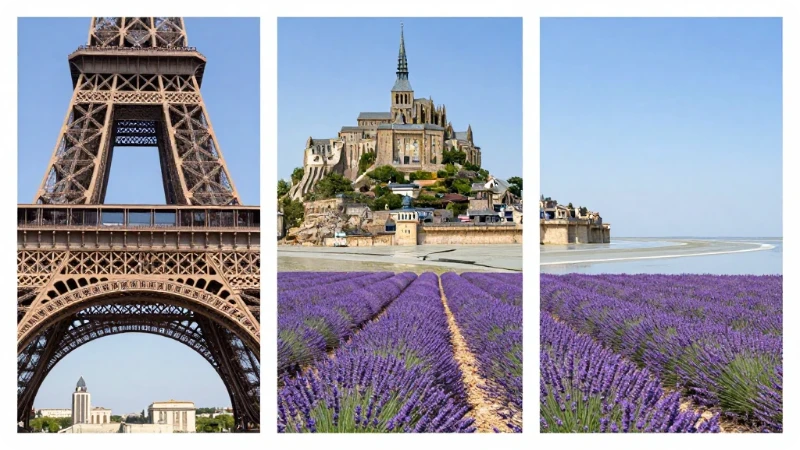
The top 10 places to visit in France are Paris, Nice, Lyon, Bordeaux, Strasbourg, Mont Saint-Michel, the Loire Valley, Provence, Marseille, and Annecy. Together, these destinations cover culture, cuisine, coastline, and countryside, making them the foundation of most first-time itineraries.
- Paris – The Eiffel Tower, Louvre, and Notre-Dame anchor a city built for walking and lingering.
- Nice – A French Riviera base with a pebble beach promenade and pastel old-town streets.
- Lyon – France’s food capital, known for bouchon restaurants and Renaissance architecture.
- Bordeaux – Wine country paired with a walkable, UNESCO-listed city center.
- Strasbourg – A half-timbered, canal-lined city blending French and German influence.
- Mont Saint-Michel – A tidal island abbey that looks like a fairy tale from the causeway.
- Loire Valley – Renaissance châteaux surrounded by vineyards and river towns.
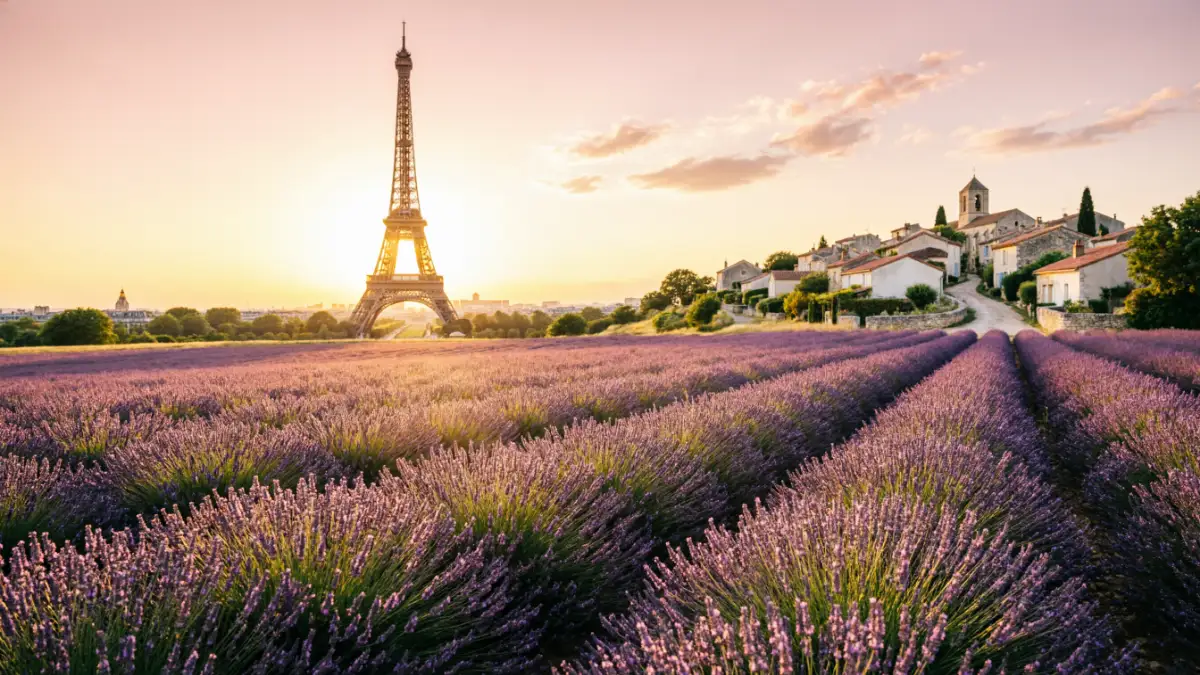
- Provence – Lavender fields, hilltop villages, and Roman ruins.
- Marseille – A gritty, sun-soaked port city with calanques (coastal cliffs) nearby.
- Annecy – An Alpine lake town often called “the Venice of the Alps.”
Top 10 Places to Visit in France Outside of Paris
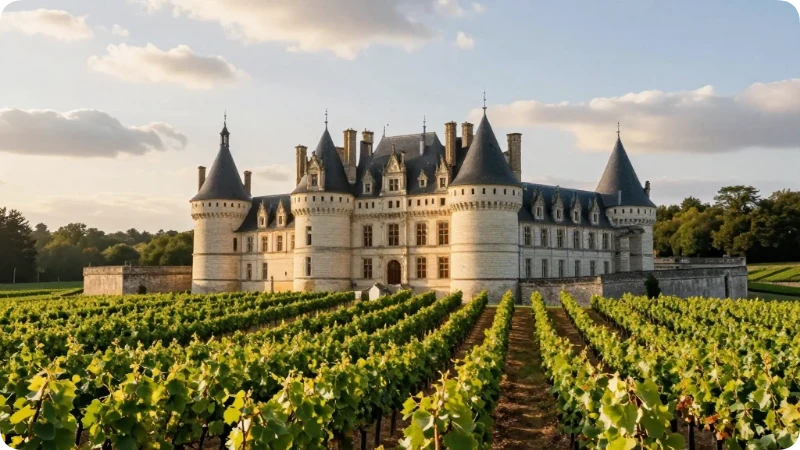
Beyond Paris, standout destinations include the French Riviera, Loire Valley, Provence, Alsace, Normandy, the French Alps, Dordogne, Burgundy, Basque Country, and Corsica. These regions show a different side of France: slower-paced, regionally distinct, and often less crowded.
- French Riviera (Nice, Cannes, Antibes) – Glamour, beaches, and Mediterranean light.
- Loire Valley – Castle-hopping through Chambord, Chenonceau, and Amboise.
- Provence – Lavender routes, hilltop villages like Gordes, and Roman heritage.
- Alsace (Strasbourg, Colmar) – Storybook villages and a strong wine-and-food identity.
- Normandy – D-Day beaches, Mont Saint-Michel, and dramatic coastline.
- French Alps (Chamonix, Annecy) – Mountain scenery for hiking or skiing.
- Dordogne – Medieval villages, cave paintings, and river canoeing.
- Burgundy – Rolling vineyards and quiet market towns.
- Basque Country (Biarritz) – Surf culture meeting French-Spanish heritage.
- Corsica – A Mediterranean island with beaches rivaling the Caribbean.
Top 5 Places to Visit in France
For travelers with limited time, the top 5 places to visit in France are Paris, the French Riviera, Provence, the Loire Valley, and Mont Saint-Michel. This shortlist balances an iconic capital, a coastal escape, countryside charm, and one unforgettable landmark.
These five destinations fit well into a 10–14-day trip using train travel between regions, and each offers a distinctly different experience rather than overlapping scenery.
Top 3 Places to Visit in France
If time only allows for three stops, prioritize Paris, the French Riviera, and Provence. This trio covers the capital’s landmarks, Mediterranean coastline, and the lavender-and-village countryside that defines postcard France, all reachable by train within a few hours of each other.
Top 10 Beautiful Places in France
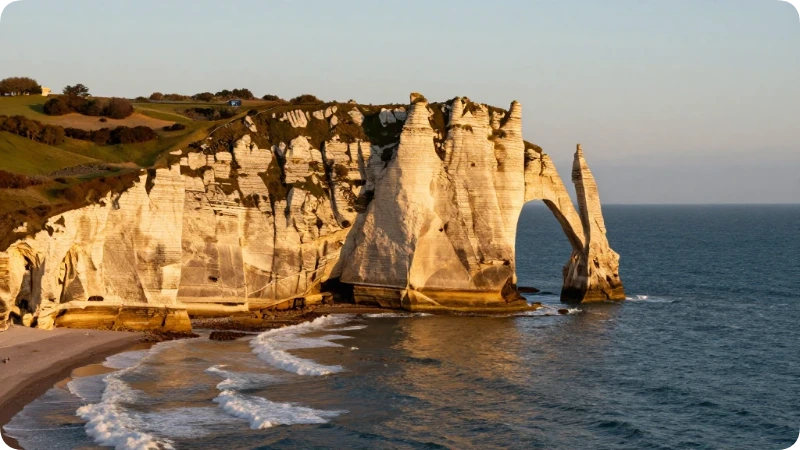
Some of the most beautiful places in France include Étretat’s chalk cliffs, the Gorges du Verdon, Annecy, Colmar, Mont Saint-Michel, the Calanques near Cassis, the Dordogne Valley, Èze village, Rocamadour, and the lavender fields of Valensole. These spots consistently rank high for scenery and photography.
- Étretat – Dramatic white cliffs and natural arches on the Normandy coast.
- Gorges du Verdon – Turquoise river canyon nicknamed the “Grand Canyon of Europe.”
- Annecy – Crystal-clear alpine lake framed by mountains.
- Colmar – Half-timbered houses along small canals in Alsace.
- Mont Saint-Michel – A silhouette that changes dramatically with the tide.
- Calanques near Cassis – Turquoise inlets between limestone cliffs.
- Dordogne Valley – Castles perched above a slow, green river.
- Èze – A clifftop medieval village above the Mediterranean.
- Rocamadour – A village built into a cliffside in southwest France.
- Valensole – Lavender fields in full bloom from mid-June to mid-July.
Top 10 Cities in France
France’s top 10 cities to visit are Paris, Lyon, Marseille, Bordeaux, Strasbourg, Nice, Toulouse, Nantes, Lille, and Montpellier. Each city offers a different pace, architectural style, and regional cuisine worth building a stop around.
| City | Known For |
| Paris | Landmarks, museums, fashion |
| Lyon | Culinary capital |
| Marseille | Port city, calanques |
| Bordeaux | Wine, elegant architecture |
| Strasbourg | Alsatian charm, Christmas markets |
| Nice | Riviera beaches |
| Toulouse | “The Pink City,” aerospace history |
| Nantes | Creative arts scene |
| Lille | Flemish-French architecture |
| Montpellier | University energy, Mediterranean climate |
Best Places to Visit in France for Couples
Romantic destinations in France include Paris, the French Riviera, Provence, the Loire Valley, and Annecy. Sunset views along the Seine, candlelit dinners in hilltop villages, and lakeside walks all suit a couples’ trip better than a packed sightseeing schedule.
Consider a Paris-to-Provence route: two or three days in Paris for classic romance, then slower days in Provence’s villages or a lakeside stay in Annecy. Riviera towns like Èze and Antibes work well for a coastal add-on.
Places to Visit in France with Family
Family-friendly destinations include Paris (Disneyland Paris, the Eiffel Tower, boat tours), Normandy’s beaches, the Loire Valley’s castles, and Provence’s outdoor spaces. Kid-friendly activities like castle exploring, beach days, and boat rides tend to hold attention better than museum-heavy itineraries.
- Paris – Disneyland Paris, Seine river cruises, and interactive science museums.
- Loire Valley – Castles with grounds kids can run around in.
- Normandy – Wide beaches and accessible history for older kids.
- Provence – Lavender fields and easy countryside walks.
Family tip: Book train seats together in advance, and choose apartment-style stays over hotel rooms for extra space.
Cities Within 2 Hours of Paris
Cities within roughly 2 hours of Paris by train include Reims, Rouen, Orléans, Tours, Amiens, and Lille. These make ideal day trips or one-night stopovers without needing a full itinerary shift.
- Reims – Champagne houses and a Gothic cathedral.
- Rouen – Medieval old town, tied to Joan of Arc’s history.
- Orléans/Tours – Gateway cities to the Loire Valley châteaux.
- Amiens – France’s tallest Gothic cathedral.
- Lille – Flemish architecture near the Belgian border.
Hidden Gems & Most Beautiful Villages
Underrated villages worth adding to an itinerary include Gordes, Roussillon, Sarlat-la-Canéda, Annecy’s old town, and Riquewihr. These spots see far fewer tour buses than Paris or the Riviera, while offering equally striking scenery.
- Gordes – A stone village stacked into a Provençal hillside.
- Roussillon – Built from ochre-colored cliffs, with a distinct red-orange palette.
- Sarlat-la-Canéda – A preserved medieval market town in Dordogne.
- Riquewihr – A walled Alsatian wine village that looks frozen in time.
Insider tip: Visit these villages early morning or late afternoon to avoid midday tour groups and get better light for photos.
Food & Dining
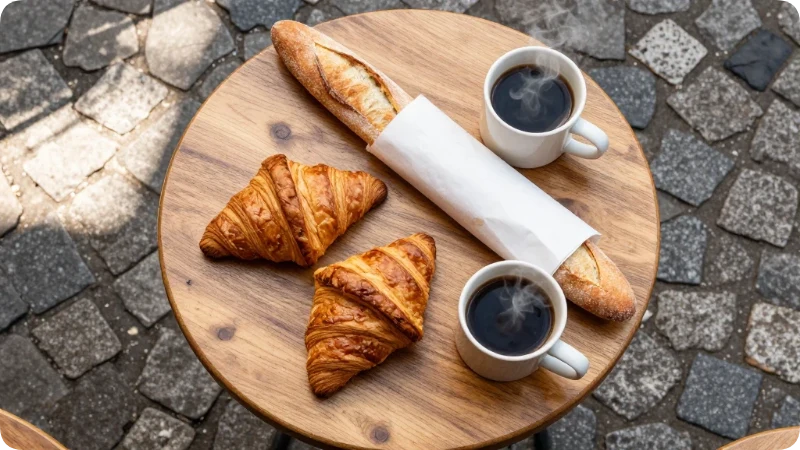
French cuisine varies dramatically by region. Lyon focuses on hearty, meat-forward bouchon cooking; Provence leans into olive oil, herbs, and Mediterranean vegetables; Normandy specializes in cream, cheese, and apple-based dishes like cider and calvados.
Must-try regional foods include:
- Croissants and baguettes – Best fresh from a neighborhood boulangerie.
- Coq au vin and bœuf bourguignon – Classic Burgundy-style braises.
- Bouillabaisse – A Marseille seafood stew.
- Tarte flambée – Alsace’s thin-crust flatbread.
- Cheese and wine pairings – Regional cheeses shift dramatically from Normandy (Camembert) to the Alps (Reblochon).
Culture & Etiquette
A few etiquette habits go a long way in France: greet shopkeepers with “Bonjour” before asking anything, keep voices lower in public than typical in the U.S., and expect meals to move slower and later than American dining hours.
Cheek-kissing (“la bise”) is a common greeting between friends and family, though the number of kisses varies by region; some areas do two, others three or four. As a visitor, a handshake or simple “Bonjour” is always a safe, appropriate default rather than initiating the custom yourself.
Tipping isn’t expected the way it is in the U.S., since service charges are typically included; rounding up or leaving small change is appreciated but optional.
Budget Breakdown / How to Do France Cheaply
A budget trip to France runs roughly $100–150 per day per person, covering hostel or budget hotel stays, casual dining, and public transit, while a mid-range trip runs $200–300 per day with 3-star hotels and sit-down meals.
Ways to save money:
- Travel in shoulder season for lower flight and hotel prices.
- Book TGV train tickets weeks in advance for discounted fares.
- Eat lunch menus (formule) at restaurants, which cost less than dinner for similar dishes.
- Use city tourism passes that bundle museum entry and transit.
- Stay in smaller towns near major cities instead of city-center hotels.
Is $5,000 enough for a trip to Paris? For one person on a 7–10 day trip, $5,000 comfortably covers round-trip flights, mid-range accommodations, meals, and several paid attractions, with room left for shopping or a day trip outside the city. Two travelers splitting costs can stretch it even further.
Common Mistakes to Avoid
The most common mistakes travelers make in France include trying to see too many cities too fast, skipping restaurant reservations, not validating train tickets, and assuming everyone speaks English fluently.
- Overpacking the itinerary – Fix: choose 2–3 base cities instead of a new hotel every night.
- Skipping reservations – Fix: book popular restaurants and major attractions (Louvre, Mont Saint-Michel) ahead of time.
- Forgetting to validate train tickets – Fix: stamp paper tickets at station machines before boarding regional trains, or use e-tickets where available.
Sample 7-Day Itinerary
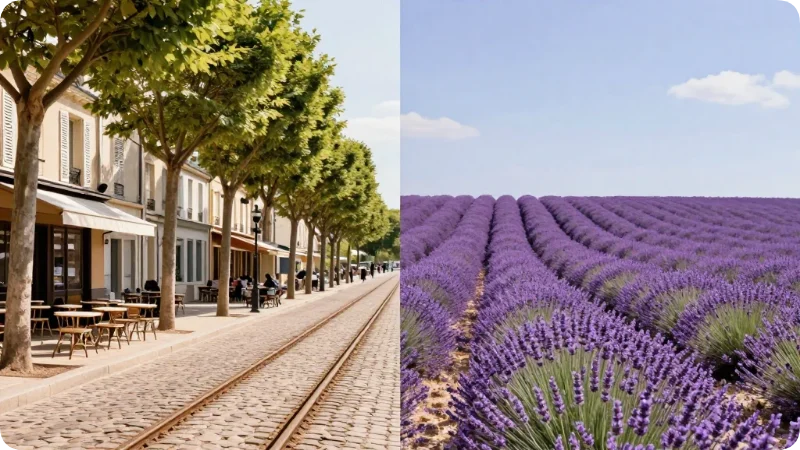
A well-paced 7-day France itinerary covers Paris (3 days), the Loire Valley (1–2 days), and Provence (2–3 days), using trains and one rental car leg for the countryside.
| Day | Location | Focus |
| 1–3 | Paris | Eiffel Tower, Louvre, Seine cruise, Montmartre |
| 4 | Loire Valley | Château day trip from Tours |
| 5 | Provence | Arrive, explore Avignon |
| 6 | Provence | Gordes, Roussillon, lavender routes (seasonal) |
| 7 | Provence/Marseille | Coastal day, departure |
Where to Stay
Paris works best with a base near a central metro line (Le Marais, Saint-Germain, or near the Louvre), while countryside regions like Provence and the Loire Valley favor small boutique hotels or countryside guesthouses over big chains.
- Budget: hostels, budget chain hotels near train stations.
- Mid-range: 3-star hotels or well-reviewed apartment rentals.
- Luxury: historic châteaux-turned-hotels in the Loire Valley or five-star Riviera resorts.
Safety Tips
France is generally safe for USA travelers, though pickpocketing near major attractions (Eiffel Tower, metro lines, train stations) is the most common issue. Keep bags zipped and in front, avoid displaying valuables, and stay aware in crowded tourist zones.
Check current travel advisories through the U.S. Department of State before departure, since regional safety notes can change.
Packing Advice
Pack layers for changeable weather, comfortable walking shoes for cobblestone streets, and one nicer outfit for restaurants that expect smart-casual dress. A universal adapter and a compact umbrella round out the essentials, since French weather shifts quickly even in warmer months.
FAQs
What are the top 3 tourist attractions in France?
The top 3 tourist attractions in France are the Eiffel Tower, the Louvre Museum, and Mont Saint-Michel. All three draw large crowds year-round, so booking timed-entry tickets in advance helps avoid long lines.
What are the top 10 destinations in France?
The top 10 destinations are Paris, Nice, Lyon, Bordeaux, Strasbourg, Mont Saint-Michel, the Loire Valley, Provence, Marseille, and Annecy. Together they represent France’s major cities, coastline, and countryside regions.
Which part of France is most beautiful?
Beauty is subjective, but Provence and the French Riviera consistently rank among the most photographed regions for their lavender fields, coastal cliffs, and hilltop villages. The French Alps and Dordogne Valley are close contenders for dramatic natural scenery.
Where should I go for my first trip to France?
Paris makes the most practical first stop, since it has the easiest international flight access and the highest concentration of iconic sights. From there, a short train ride to the Loire Valley or Provence rounds out a well-balanced first visit.
Which city in France is closest to Paris?
Cities like Versailles and Chartres sit under an hour from Paris, while larger cities such as Reims and Rouen are roughly 1–1.5 hours away by train. Both make easy day trips without needing overnight stays.
Is France or Italy cheaper to visit?
Costs are similar overall, though rural France (countryside regions, smaller towns) tends to run slightly cheaper than rural Italy, while major cities like Paris and Rome cost about the same. Train travel is generally more efficient and often cheaper in France.
Which country ranks No. 1 in tourism?
France consistently ranks as the world’s most-visited country by international tourist arrivals, according to UN Tourism data. Its central European location, extensive rail network, and range of attractions all support this ranking.
What is France’s most beautiful city?
Many travelers name Annecy or Strasbourg as France’s most visually striking cities, thanks to canals, colorful buildings, and mountain or river backdrops. Paris remains the most iconic, though smaller cities often win on pure scenery.
What is the most beautiful village in France?
Gordes in Provence and Riquewihr in Alsace are frequently ranked among France’s most beautiful villages. Both are part of the official “Les Plus Beaux Villages de France” list, which recognizes preserved historic villages nationwide.
Which city in France has the best nightlife?
Paris and Marseille both offer extensive nightlife, from Parisian rooftop bars to Marseille’s waterfront clubs. Nice and Lyon also have strong nightlife scenes centered around their old-town districts.
What not to do in France as a tourist?
Avoid speaking loudly in public spaces, skipping “Bonjour” before asking for help, and expecting late-night dinner reservations without booking ahead. These small missteps are common complaints locals mention about tourists.
Conclusion
France rewards travelers who plan around a few clear priorities rather than trying to cover the entire country in one trip. Paris, the French Riviera, Provence, the Loire Valley, and Mont Saint-Michel consistently anchor the best itineraries for USA travelers if the goal is culture, coastline, countryside, or all three.
Three takeaways stand out: visit in shoulder season for better weather and prices, pick 2–3 base regions instead of constant hotel-hopping, and book trains and reservations ahead of time. Together, these choices turn an overwhelming country into a manageable, memorable trip.
Start with a shortlist, build the itinerary around train routes, and let the rest of the trip unfold. France has a way of filling in the gaps once the plan is set.
Always confirm current entry requirements, prices, and opening hours through official sources (U.S. Department of State, France’s tourism board, or SNCF) before finalizing travel plans.

Maya Lin inspires travelers to explore the globe with absolute confidence and independence. Armed with a background in digital media and a decade of independent solo travel experience, she knows exactly how to navigate unfamiliar cities smoothly and safely. For Travelmarse, Maya curates the solo travel and hidden-gem verticals. She reviews charming boutique hotels, designs smart neighborhood walking routes, and shares practical language-learning hacks, giving readers the exact tools they need to travel solo without the stress.